A Trip to Comté Country
In the Jura Mountains, Comté is crafted with such artistry that no two wheels ever taste alike.. Gill Harris explores…
You may have noticed that the French take their food very seriously. And in the lush folds of the Jura Mountains, right up against the border with Switzerland, you’ll find Comté country, where the locals take cheese very seriously indeed. This absolute dedication – from the careful way in which the cows are farmed to the finely honed skills of the affineur – is the reason Comté never tastes the same twice.
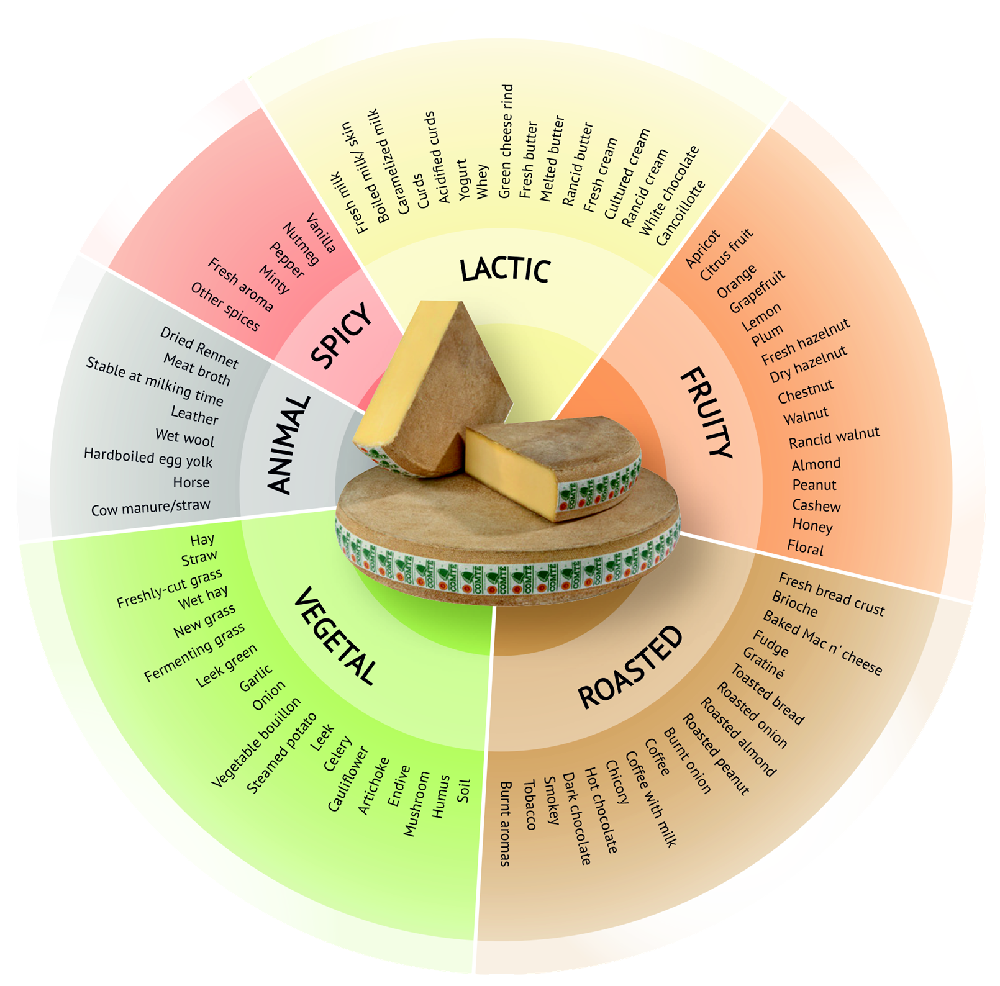
Its aromas and flavours are so varied and complex that a special aroma wheel has been created to help decode them, listing more than 80 natural aromas, ranging from wet wool to burnt onion to white chocolate. To begin to understand this local treasure, it is worth starting in Poligny at the Maison du Comté, an elegant, purpose-built visitor centre that explains every stage of production. Here you will learn, smell and taste all you need to know about Comté before stocking up on some goodies at the excellent museum shop.
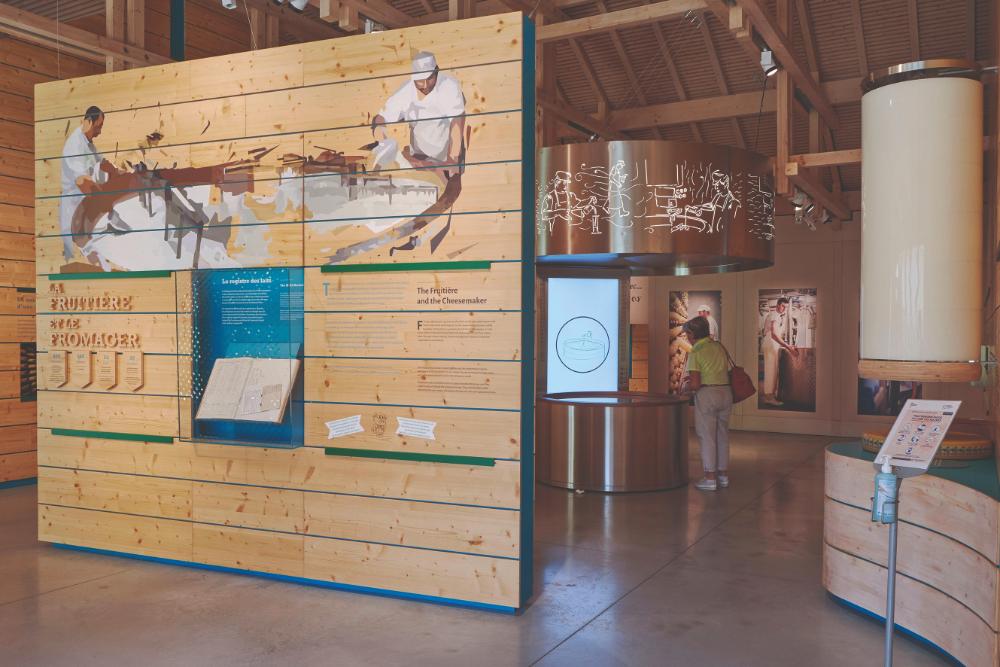
Photo: Alamy
The surrounding landscape is the cradle of production: Comté country stretches across the departments of Doubs, Jura and part of Ain, along with a few villages in Saône-et-Loire. Its pastures lie between 200 and 1,500 metres in altitude, and are interspersed with forests about half of them spruce – all of which adds up to an exceptional biodiversity. Neighbouring cheeses such as Mont d’Or, Morbier and Bleu de Gex come from this same region, but it is Comté that firmly remains the emblem.
Its story reaches back to the Middle Ages, when monastic communities encouraged the clearing of woodland to create pasture. These mixed wooded meadows, with trees providing shelter and moisture, proved ideal for livestock and for a flora that now numbers more than 400 plant species. This diversity is not decorative: it directly shapes the milk, and therefore the flavour of the cheese. It takes roughly 450 litres of milk -the daily output of around 20 cows – to make a single 40kg wheel of Comté.
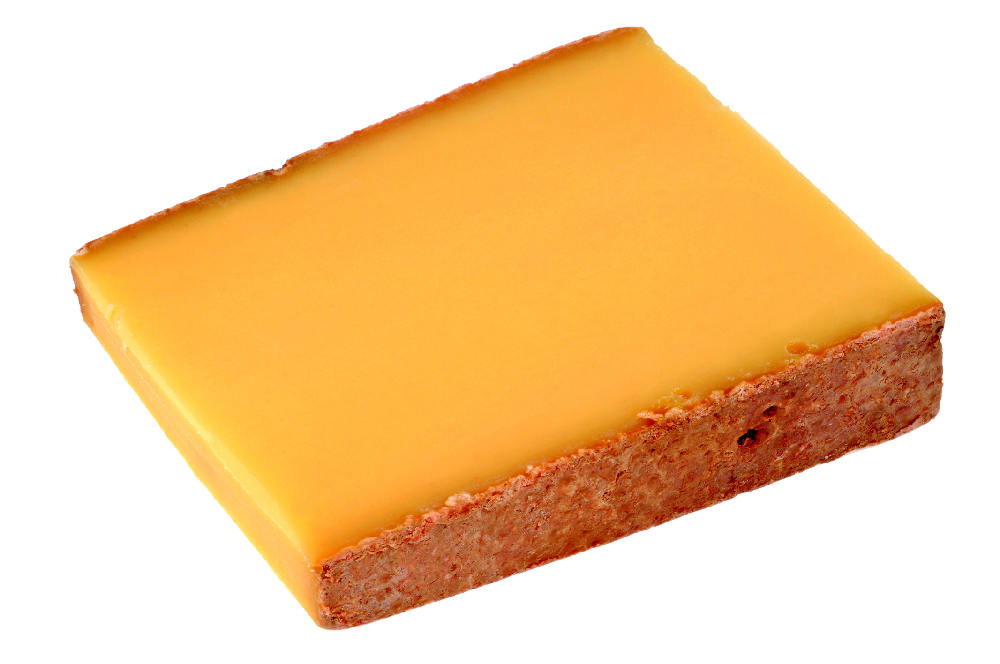
The milk’s characteristics change from day to day, depending on the richness of the pastures, altitude, climate and season. Winter milk, collected when the cows are fed on local hay, produces a paler cheese, whereas summer milk, rich in carotene from fresh grass, yields a golden yellow glow. Because the cheese must be made from raw milk, and because silage and added feed are forbidden, everything begins with the land. The farmers take extraordinary care of their animals. At Gaec du Sauget, farmer Marie-Ange Roy’s love for her cows is evident as she strokes their flanks during milking. Each Comté cow has a minimum of 1.3 hectares of grazing, and milk-robots are banned under the AOP rules. For farmers like Marie-Ange, milking is as much a chance to check the herd’s health as it is to collect the milk. Only two breeds are authorised for Comté: the Montbéliarde, which makes up around 95% of the herd, and the French Simmental. A typical farm may be run by two or three people sharing responsibilities equally, a cooperative spirit echoed at every stage of Comté production.
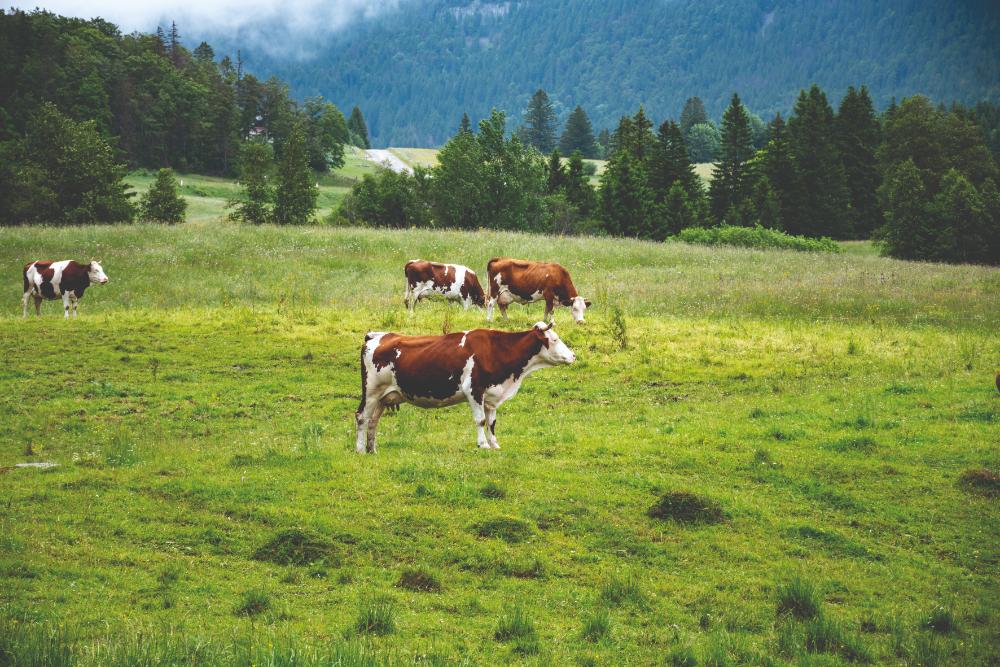
Photo: Shutterstock
Within hours of milking, the milk is collected and taken to the local fruitière (dairy), just as it has been for centuries. These fruitières form the backbone of Comtés cooperative system, with around 140 of them operating today. In Marie-Ange’s case, the milk from her farm goes to the Fruitière des Coteaux de Seille, in Lavigny. She is there the next morning to watch as it is heated in traditional copper vats, the rennet added, and the curd cut and pressed. She is no longer in charge, though – it is the team of cheesemakers who decide the exact moment when a curd is ready, a judgement that varies from batch to batch and contributes another layer of individuality to each wheel.
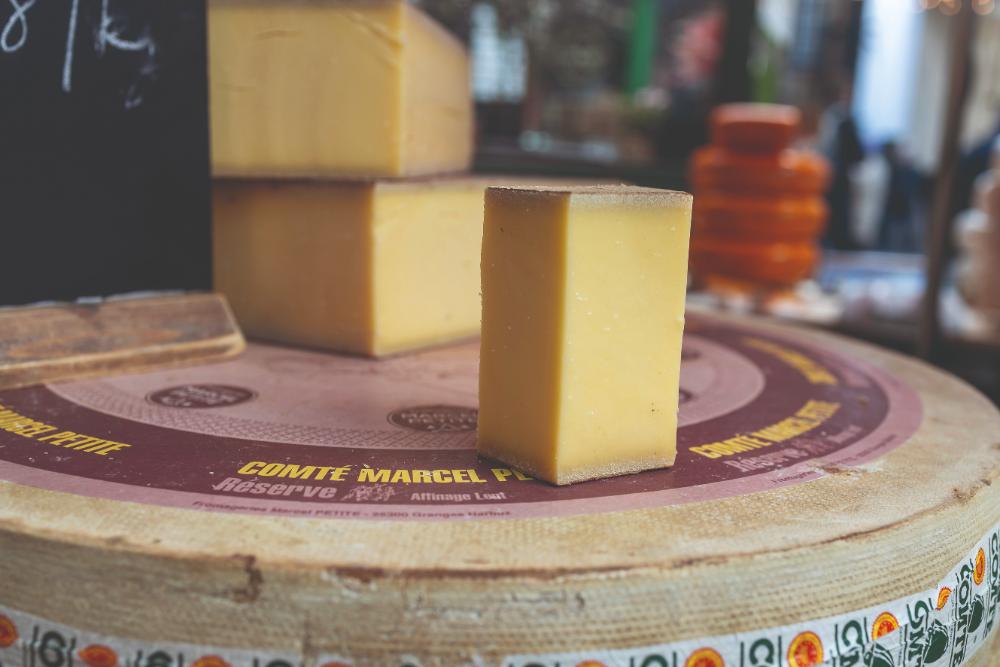
Photo: Shutterstock
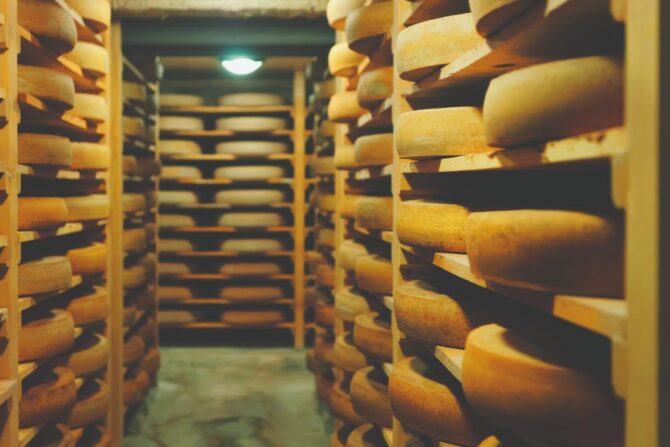
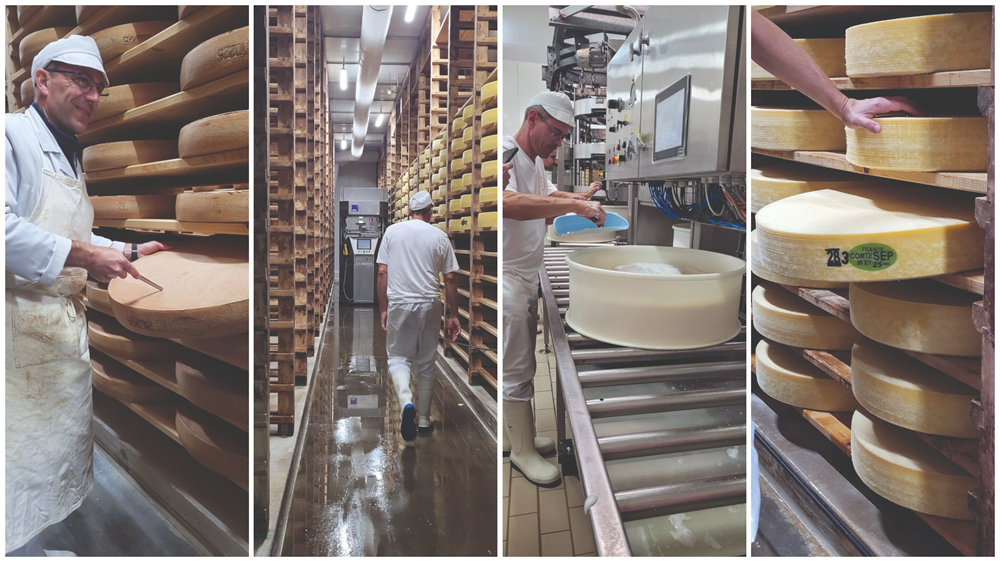
After pressing, the wheels are transferred to one of about 14 specialist affinage companies in the region, where they will rest among tens of thousands of others. In some cellars, as many as 100,000 wheels mature in the dark and silence, resting on natural spruce boards from the Jura Mountains, which help maintain the 90% humidity needed for proper ageing. Each wheel must mature for at least four months, though many stay for 12, 18, 24 or (very occasionally) 36 months, depending on their potential. The affineurs turn, brush and salt them regularly, checking the rind, texture and developing aromas. At Seignemartin in Nantua, the cellar holds around 80,000 wheels sourced from 17 local cooperatives, with capacity kept slightly below maximum to allow for cleaning. Some wheels show early promise and are kept longer; others reach perfect ripeness sooner; others may have a damaged quadrant and cannot be sold as Comté, though the remainder may still be used for cooking. Knowing the difference takes many years of training. All of this explains why no two wheels of Comté taste the same. The terroir, the season, the day’s milk, the fruitière’s technique, the affineur’s judgement – each leaves its imprint. So next time you pick up some Comté at the supermarket and it tastes different from the last piece you bought, you’ll know why.
Looking for more French food and drink content?
In our magazine we offer a whirlwind tour of the best gastronomic destinations. Discover La Belle France’s renowned markets, quirkiest food festivals, most indulgent restaurants and foodie experiences.
Lead photo credit : Photo: Shutterstock
Share to: Facebook Twitter LinkedIn Email
More in Comté, French cheese
Related Posts