Welcome to Le Bristol, Paris
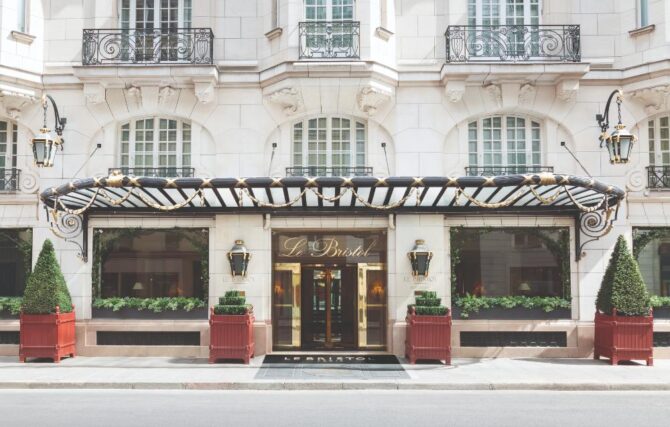
Since it opened its doors in April 1925, Le Bristol Paris has been synonymous with French art de vivre. As a new book pays tribute to this iconic hotel, we look back at 100 years of gastronomic flair…
In 1923, 30-year-old Hippolyte Jammet snapped up a dilapidated mansion belonging to Count Jules de Castellane on Paris’s rue du Faubourg Saint-Honoré. His idea was to transform it into one of the most luxurious hotels in the city. Two years later, it opened, christened Le Bristol after Frederick Augustus Hervey, 4th Earl of Bristol, the 18th-century traveller famed for demanding comfort, elegance and impeccable standards everywhere he roamed. It was a name – and an attitude – that would shape the hotel’s identity for the next century.
From the start, Le Bristol Paris drew a crowd that appreciated the best: artists slipping in after studio hours, aristocrats seeking privacy, and discerning international travellers who knew a good table when they saw one. Jammet placed gastronomy at the heart of his vision, paying his dining room today the Salon Castellane – the same meticulous attention as the rooms upstairs.
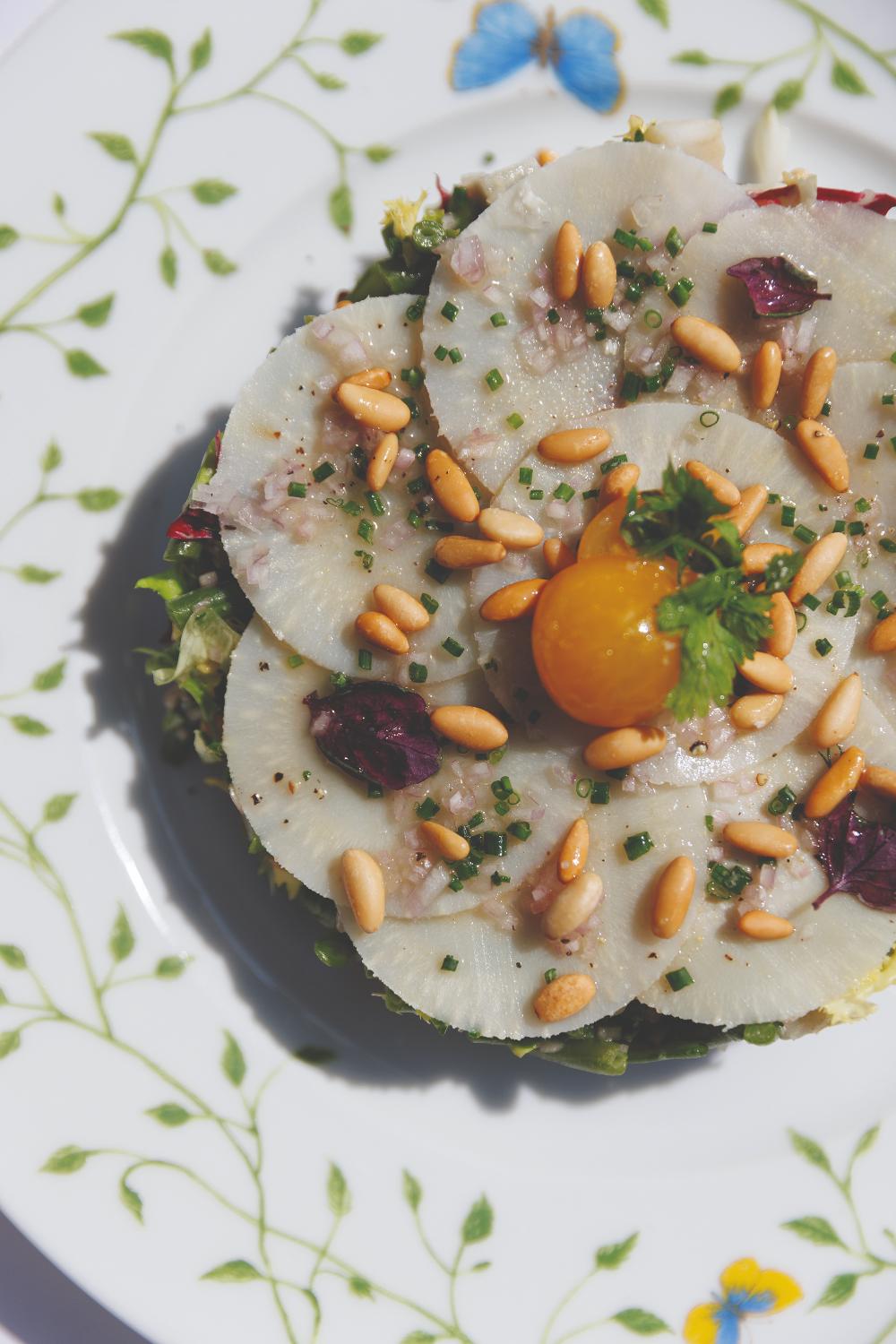
©The Social Food, from Le Bristol Paris, Flammarion
He would personally visit Les Halles with his chef to select the freshest produce, a habit he felt essential to maintaining quality. And he never shied from innovation: in the 1930s, Le Bristol became first hotel in Paris to install air-conditioning in its public spaces, so guests could dine in comfort.
During the Second World War, unlike other luxury hotels, Le Bristol was not requisitioned by the occupying Germans, allowing the Jammet family to retain control of the kitchens and keep standards as high as possible, despite shortages. When peace returned, its ambitions remained undimmed. The post-war guest book reads like a roll call of political heavyweights and cultural icons, all drawn to the hotel’s blend of privacy, polish and consistently excellent cooking. After Hippolyte Jammet died in 1964, his son, Pierre, took the helm and looked to create a high calibre restaurant to attract gourmet Parisian diners, and not just hotel guests. Ten years later, he launched Les Mercredis du Bristol, weekly menus exploring traditional French regional dishes. These became influential in reviving classics from centuries gone by, such as Poulet du Père Lathuille (chicken with potatoes and artichokes), an early 19th-century Île-de-France recipe. The concept was a success and the hotel’s culinary reputation grew.
A star-studded era
A new era began in 1978, when the Oetker family acquired Le Bristol and set about restoring and expanding it. The hotel’s first Michelin star arrived in 1980 under Jean-Claude Bonin. A second followed in 1981 under Émile Tabourdiau (it was lost in 1983, regained in 1984 and lost again in 1988). Then along came Éric Fréchon, who led the kitchens from 1999 to 2024, winning stars in 1999, 2001 and 2009 (the third was retained for 15 years). It was here that Fréchon created some of his most iconic dishes, such as macaroni stuffed with black truffle, artichoke and duck foie gras. Other creations at Le Bristol that have become house legends include the Bristol Old Fashioned, a mix of tequila, mezcal, bitters and orange peel; the rich Onion Soup with Beef Consommé; and the theatrical Poularde de Bresse cuite en vessie – Bresse chicken cooked in a pig’s bladder and presented at the table on a silver dish perched on chicken legs.
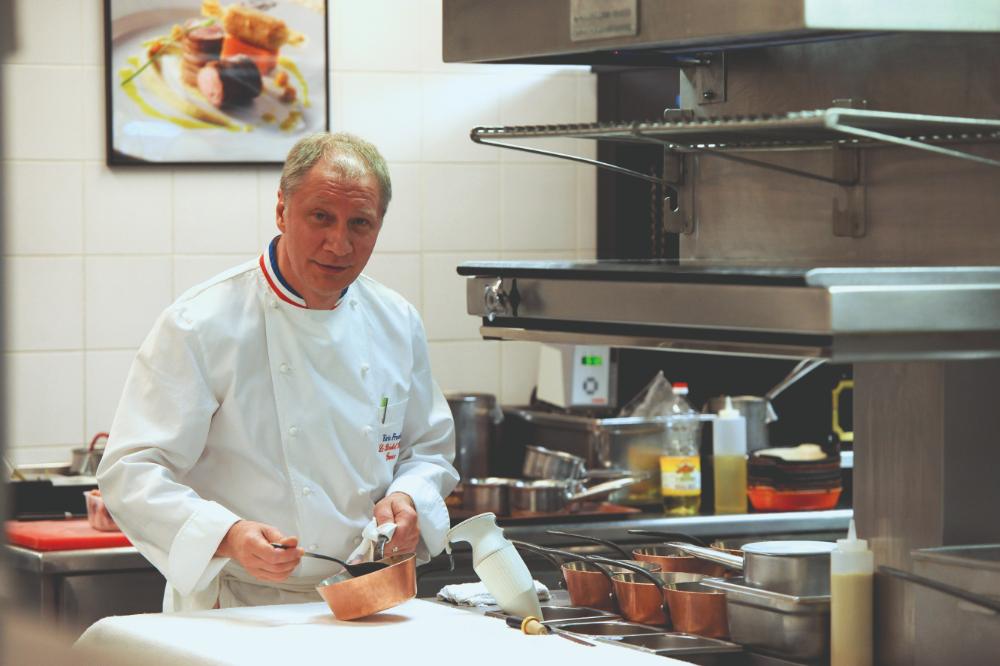
Eric Frechon in the kitchen Le Bristol 2010 CR Nicolas Richoffer
In terms of tables, Epicure, the hotel’s three-star gastronomic flagship, was designed by Pierre-Yves Rochon and features Baccarat glassware, Christofle silverware and Raynaud porcelain. The vibrant brasserie 114 Faubourg opened in 2009 and earned its own Michelin star in 2013. It’s known for its Lundis ænologiques winemaker dinners. And then there’s Café Antonia, which offers a lighter style of dining in a salon setting. In recent years, Le Bristol has taken an artisanal turn with Les Ateliers du Bristol, a suite of dedicated food workshops humming away behind the scenes. Here, flour is milled from heritage grains on the hotel’s own stone mill; cheeses are matured in the ageing cellar; fresh pasta is rolled and shaped; and chocolate is crafted from bean to bar. This artisanal approach means everything, from a morning brioche to a jewel-like dessert, begins life within the hotel’s own walls.
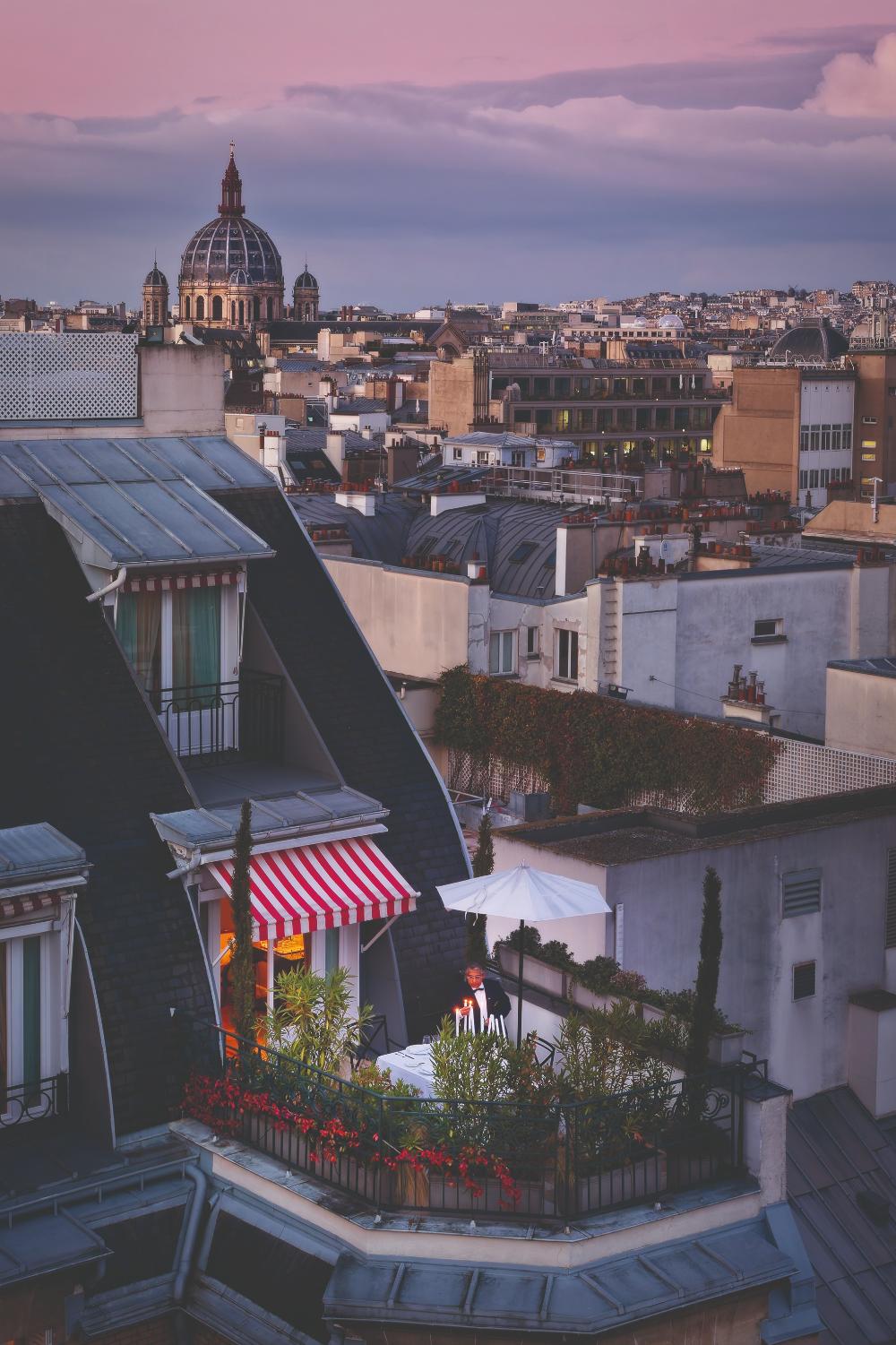
©Eric Martin, from Le Bristol Paris, Flammarion
To dine or drink at Le Bristol today is to savour a century distilled: the Roaring Twenties optimism of its founder, the wartime resilience that protected the hotel, the post-war glamour that filled its salons, and the meticulous craftsmanship championed by the Oetkers. Afterwards, head to the boutique, L’Épicerie des Ateliers, where you can pick up the hotel’s signature bread, rooftop honey, chocolates, olive oil, jams and spice blends so you can enjoy the flavours of a culinary legend at home.
To celebrate the centenary, Le Bristol Paris:
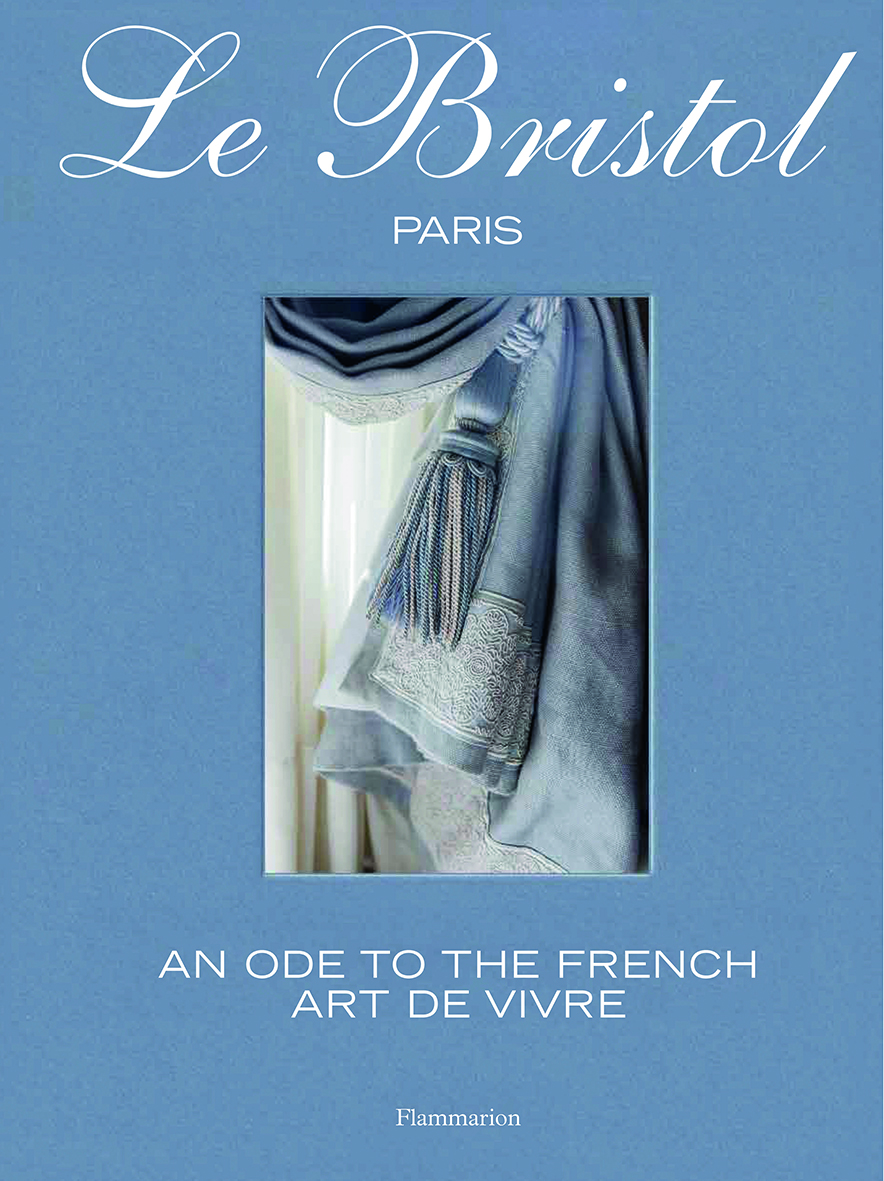
An Ode to the Art of Living by Laure Verchère is published by Flammarion (£65, hardback). It traces the hotel’s history from present day, including beautiful illustrations and recipes, and is produced with silver-edged pages and a vignette cover insert.
Looking for more French food and drink content?
In our magazine we offer a whirlwind tour of the best gastronomic destinations. Discover La Belle France’s renowned markets, quirkiest food festivals, most indulgent restaurants and foodie experiences.
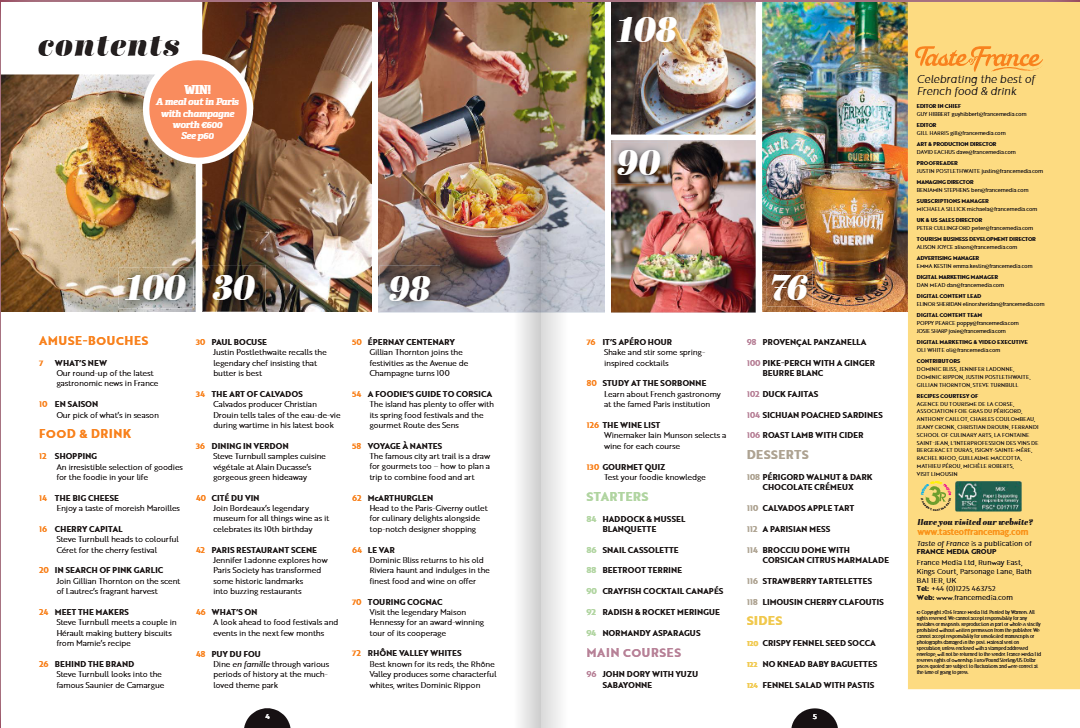
Lead photo credit : ©Claire Cocano, from Le Bristol Paris, Flammarion
Share to: Facebook Twitter LinkedIn Email
More in French food, Le Bristol, Paris Restaurants
Related Posts