A Journalist’s Cheesy Tale
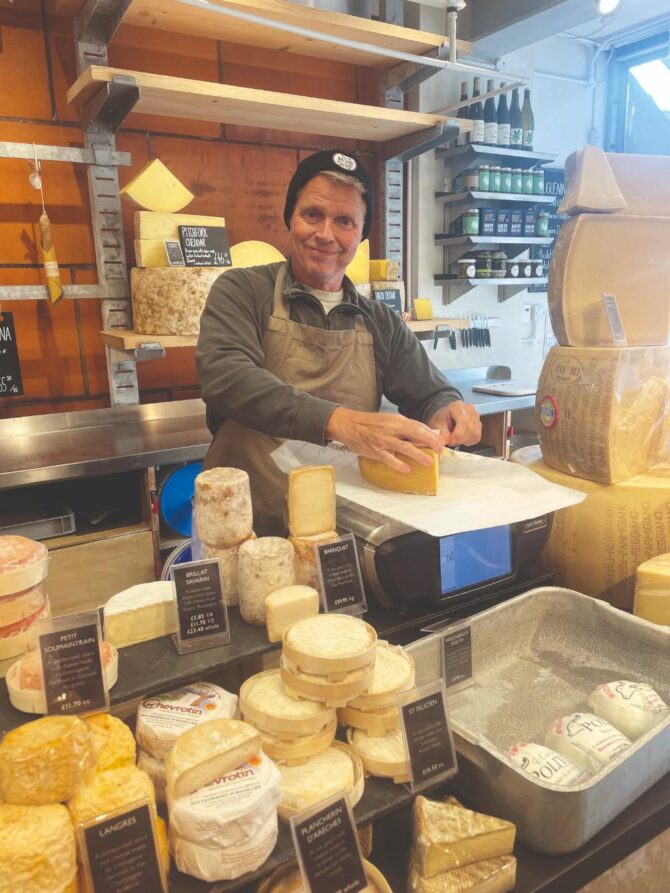
Journalist Michael Finnerty had lost his way – until a career as a cheesemonger gave his life the meaning he’d been searching for. He explains all in his new book…
When BBC and Guardian journalist Michael Finnerty found his once globe-trotting career had lost its flavour, he decided to start again – not in a newsroom, but behind the cheese counter at London’s Borough Market. What began as a sabbatical soon became a calling, as he delved into this new world of craftsmanship and community. Apprenticed to master cheesemongers, he discovered the art of tasting, cutting and caring for cheese – and the unglamorous realities too: aching feet, sliced fingers and 5am starts. The Cheese Cure is a heartwarming memoir in which Finnerty reveals how cheese, unexpectedly, restored his sense of purpose and his joy. In this extract, he shares an encounter with a rather tricky French customer…
n our age of mass-produced food sold in supermarkets, we expect things to taste the same as they did the last time we bought them. If they don’t, we are not best pleased. If I buy a product that disappoints me compared to my last purchase of it, I can get radical. ‘I won’t buy that again.’
No second chances.
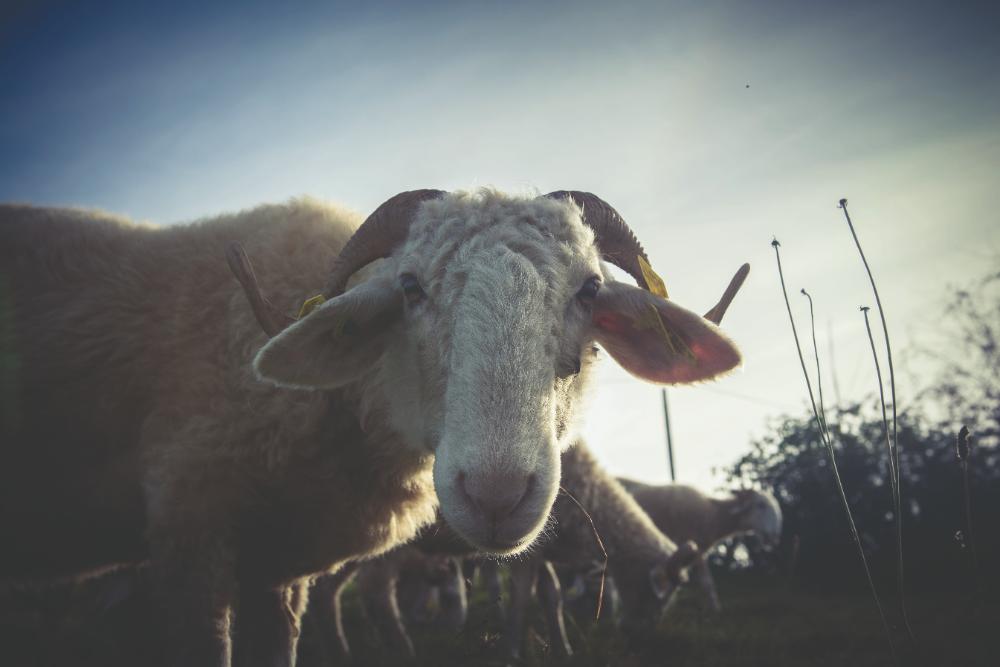
sheep ossay iraty, Photo: shutterstock
I am such a hypocrite, because that’s not at all the way it is with artisan cheeses. They taste different every day – sometimes they taste different in the afternoon to how they did in the morning – and I love them for that!
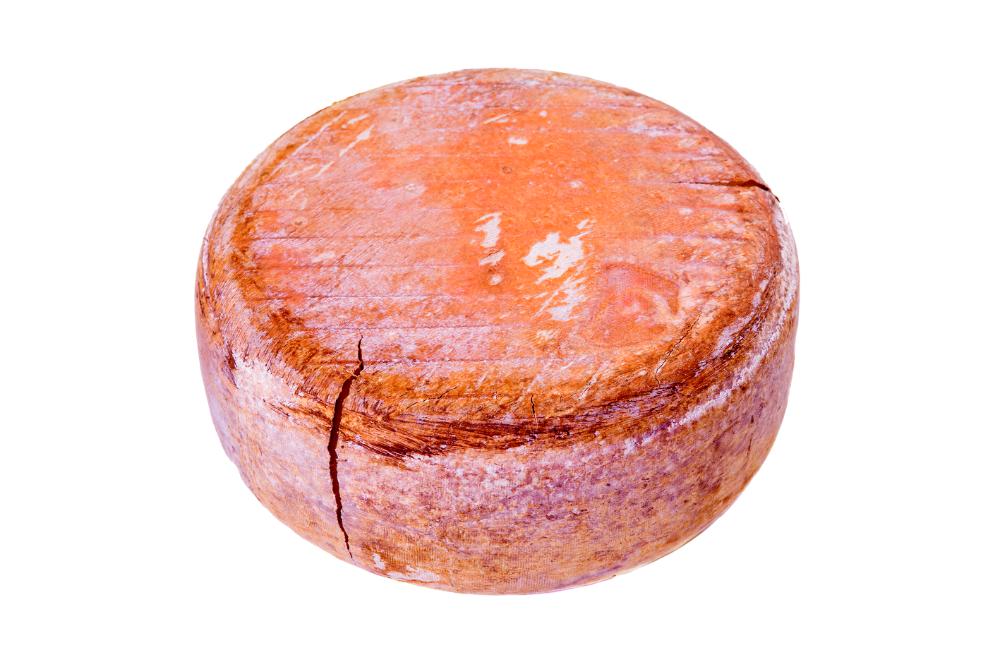
In fact, I’m suspiciously curious to know what’s been done to shrink-wrapped, mass market cheeses so that they taste identical to the last piece I bought months ago. One of our more variable cheeses is a Basque-country beauty called Ossau Iraty. It’s an AOP, named after the Ossau Valley and the Iraty forest in France, south of Pau. It’s a sheep’s cheese and comes in wheels about 25cm in diameter, weighing around five kilograms, which makes for a smaller wheel compared to other hard cheeses, but it’s sizeable enough. The rind reminds me of the colour of a butternut squash on the outside. You often get bright ochre spots on it. In my head, the more ochre spots there are, the nicer it will taste, but that is based on absolutely nothing except my own experience from having worked with it. Most often it’s spotless.
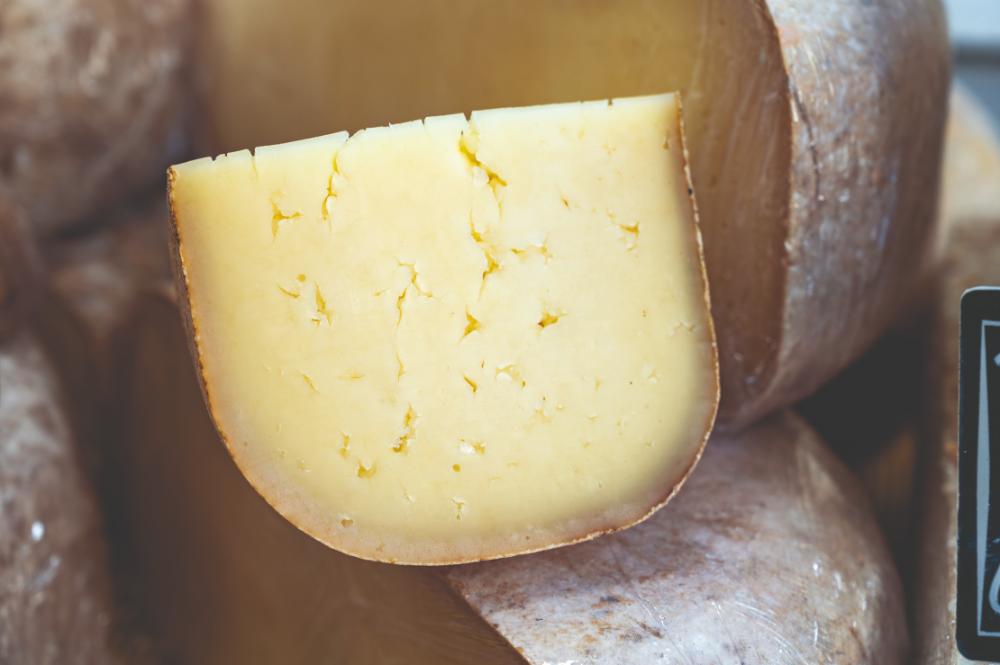
ossau iraty_shutterstock
A bit like a tuna sandwich
A good wheel of Ossau is tough to stop eating. I get a sweet warmth from it, almost a biscuit flavour close to toasted caramel. It’s not unlike Manchego, which more people are familiar with, smoother tasting though. The higher fat content means it has a melting quality on the tongue. People swoon for it. I have also had wheels of Ossau that have the same butternut squash rind but taste like tuna and cucumber sandwiches. I know that’s an odd tasting note, but Cheesemonger Llewi, who works in the warehouse, came up with it out of the blue and it was a light bulb moment. It does taste like tuna and cucumber sandwiches, Llewi!’ When you get two such different wheels – caramel biscuit v tuna cucumber-in a blind taste test you might think it was a different cheese altogether. It’s a wonder how a cheese can swing so wildly.
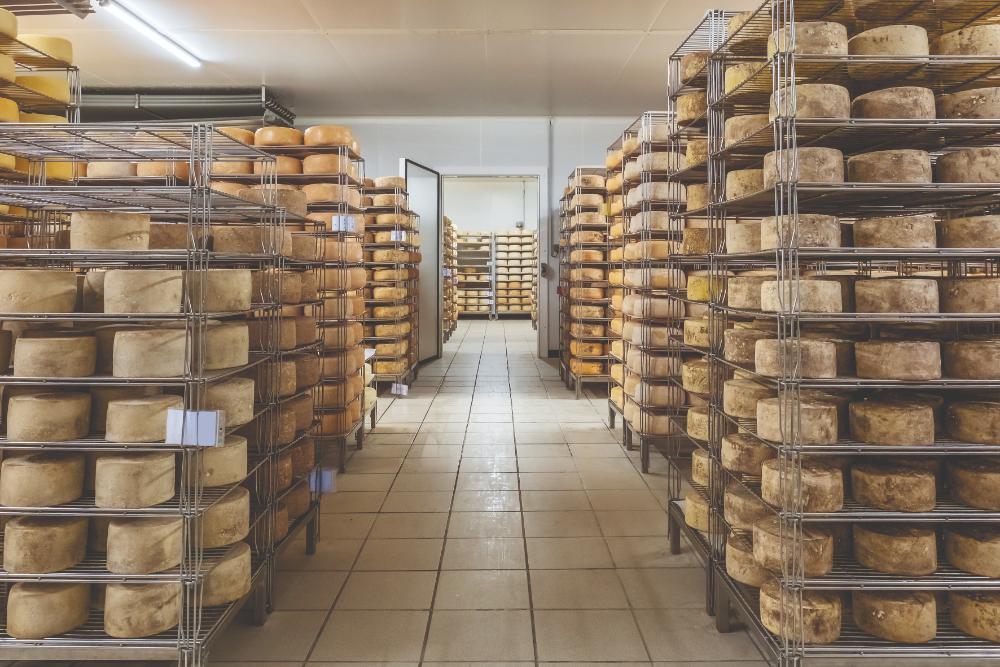
ossay ageing, Photo: shutterstock
Ossau Iraty is made at cooperative scale, a significant production. It’s popular enough in France that some big food companies make savoury biscuits that come in an Ossau Iraty flavour. Ours is thermised, meaning that the milk is warmed during production, not to the point of pasteurisation; nevertheless, it’s a method of sanitising raw milk.
A raw exchange
At Borough Market, there’s a French gentleman in his seventies who comes round and makes a beeline for the Ossau Iraty. usually on Fridays. “Here we go again,” mutters Cheesemonger Fionnuala. “Do you want to handle this, or shall I?” “I feel you normally do, so I’ll have a go today,” I reply. “It’s all yours,” she says. “Good afternoon, sir. Do you fancy trying some cheese? I have some Ossau Iraty here on the knife.”
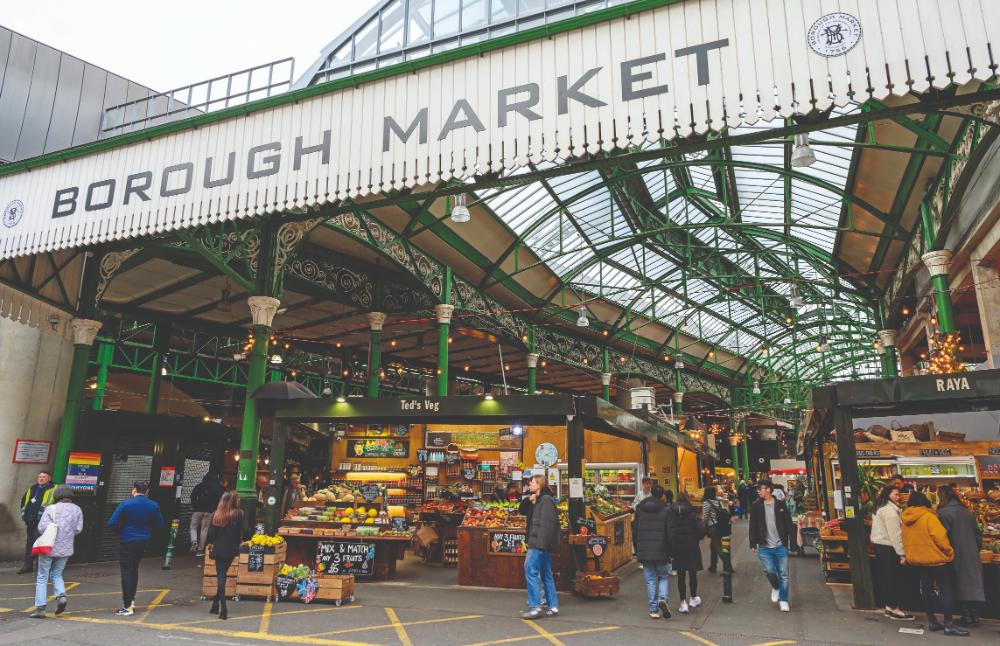
borough market, Photo: shutterstock
He looks up. “Is this a raw milk Ossau Iraty?” By raw milk, he’s asking if it’s unpasteurised. We specialise in raw milk cheeses and many customers seek us out for them. They believe strongly that raw milk enhances flavour. So do I. Many people also believe it’s healthier – they don’t like how pasteurisation kills off good bacteria along with potentially harmful ones. Cheesemakers who don’t pasteurise take special care with their production for safety’s sake. There is, however, a heightened risk with raw milk cheeses, and people with immune deficiencies and pregnant women are to avoid them. In my time as a cheesemonger, there has never been a problem with our raw milk cheeses.
“Sir, our Ossau Iraty is thermised, not raw milk. There is a raw milk version of the cheese called Ossau Fermier, but I’m afraid we don’t stock it currently.”
“Last time I was here, the sign for your Ossau Iraty indicated it was a raw milk cheese. It was wrong.” “Do you remember when that was, sir? Our sign hasn’t changed in some time.”
He thinks it was a year ago. “You can’t label thermised cheeses as raw milk. That’s not ethical and it’s terribly misleading.” He makes the same protest – exactly the same protest -every time he comes to the stall. I could just nod and let him finish, but on this occasion, I switch suddenly from English into my best Parisian French. This gives me licence to be more pointed with him. You can be far more direct with customers in French than in English. It’s expected. I tell him that the sign has not changed in my time cheese mongering. I agree with him, emphatically, that selling a thermised cheese as a raw milk cheese would be unethical and I say, with a hint of Gallic affront in my voice, that it is something we would never do. He looks at me straight in the eye, nods, and not another word is spoken of it.
“I think he just misses going to the shops in France,” says Nuala after he leaves, meaning he misses the robust repartee in France. When people complain about Parisian waiters being direct (rude), I respond that I’ve always considered that to be part of a mutually agreed-upon contract with Parisian customers, who are just as direct.
A wheel surprise
We’ve all had this exchange with him in our own way. Manager Elle one day gets into an extended discussion with him, including about the merits of raw milk Ossau Fermier, and as a result, a few weeks later, we get a wheel of it in to sell. Excitement! It has a wild, pockmarked rind, and the paste, too, is a bit bonkers, mottled with the occasional bruise. To me, it tastes strongly of black olive. On other occasions it has tasted strongly of mangoes. Yes, mangoes – go figure! Our French gentleman returns and gladly purchases a wedge. There is something beguiling about it, he is right.
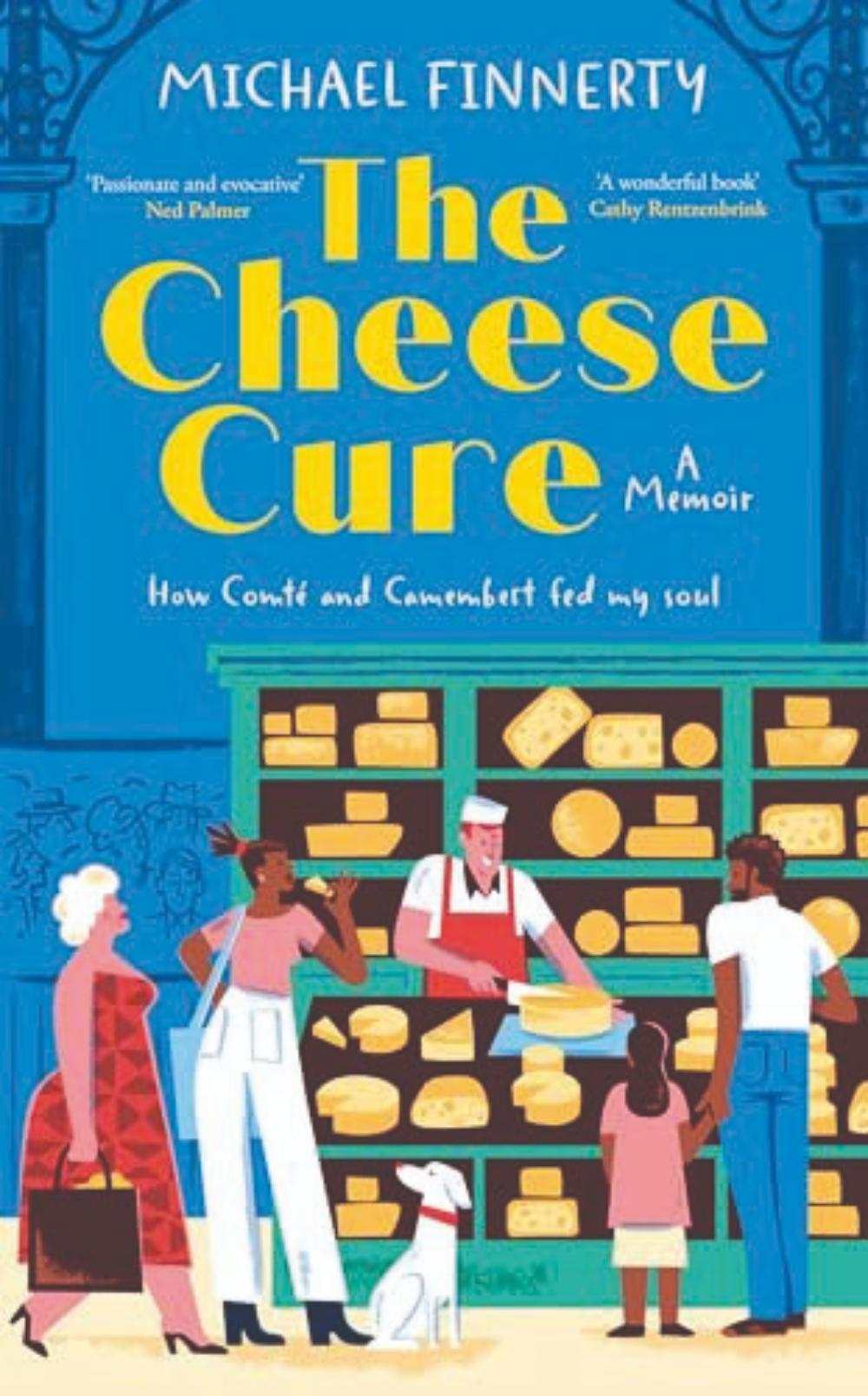
Extract from The Cheese Cure: How Comté and Camembert Fed My Soul by Michael Finnerty is published by Harper Non Fiction, priced £16.99
Looking for more French food and drink content?
In our magazine we offer a whirlwind tour of the best gastronomic destinations. Discover La Belle France’s renowned markets, quirkiest food festivals, most indulgent restaurants and foodie experiences.
Share to: Facebook Twitter LinkedIn Email
More in Cheese, French cheese, Michael Finnerty
Related Posts