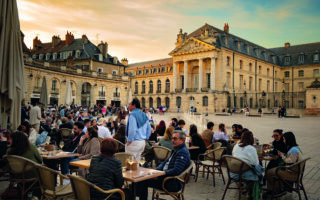
French Sauces: The Renaissance of the Saucier and the Art of Sauce Making
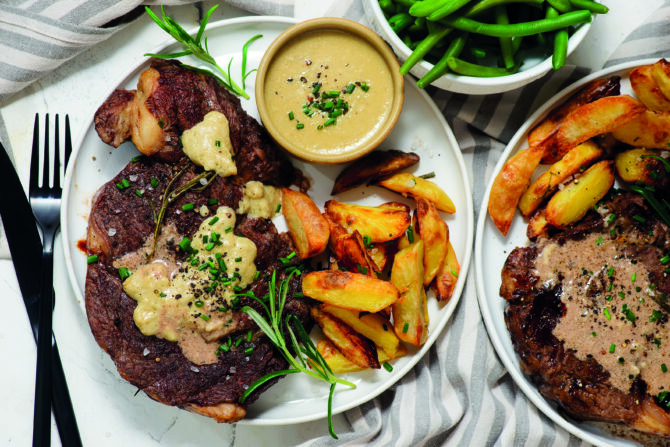
A succulent steak that I eagerly polished off at the consistently excellent meat-lover’s magnet J’Go in Toulouse was accompanied by crunchy frites and a generous pot of Béarnaise sauce. As I slathered the yellowish, tarragon-tinged buttery concoction onto each perfectly à point forkful of beef, my thoughts turned to the joy of French sauces. From Bordelaise to beurre noisette, from Périgourdine to pistou, a sauce can raise a dish from mundane to marvellous, adding intrigue, depth of flavour and a soupçon of theatre to the dining experience.
Thankfully, as we reported last issue, the job of saucier (sauce maker) is very much back in vogue at top restaurants. And whatever is in vogue is in Vogue – the trend bible recently featured the saucy thoughts of John Williams, executive chef at the Ritz in London. “In French cooking, they [sauces] are everything. They bring the components of a dish together and elevate the experience,” he said of the renewed reverence accorded to sauces.
Actually, this is a case of plus ça change – in truth, the trend is more a reversion to type than a fresh development or innovation. Perhaps it is tied to a rejuvenated passion for slow cooking, taking one’s time to allow flavours to develop with a slow simmer, more generally harking back to a time when spending all day making a stock or honing an intense, flavour-packed reduction was par for the main course.
A saucier’s timeline
Some of the best-known figures in the history of French cuisine are forever associated with the preparation or invention of sauces. Of course, there are the ‘mother’ or grandes sauces. Four – Espagnole, Velouté, Allemande and Béchamel – were classified by 19th-century chef Marie-Antoine Carême (1783–1833). Auguste Escoffier (1846–1935) later revised the system, reclassifying Allemande as a derivative of Velouté and adding Hollandaise and tomato sauce to establish the five mother sauces familiar to cooks today.
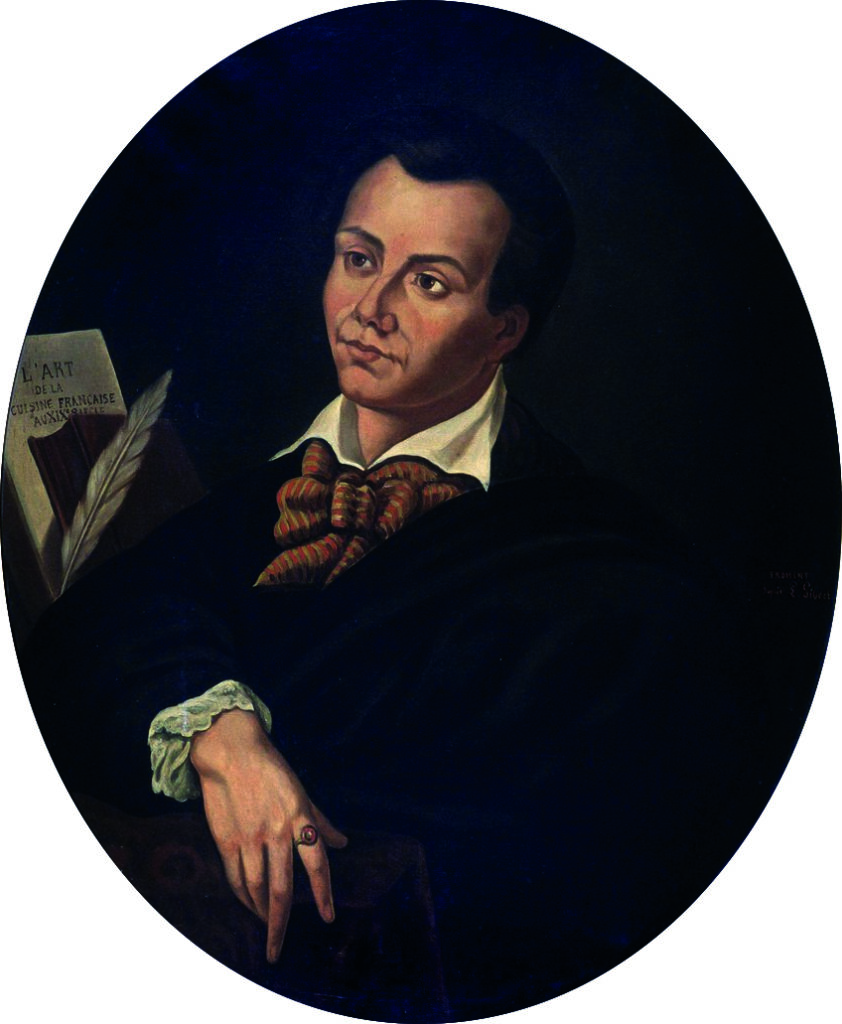
Then came Fernand Point (1897–1955), dubbed “the father of modern French cuisine”, who championed relatively lighter, more refined and complex sauces at his Vienne restaurant, La Pyramide. His most enduring creation was Sauce Lumière, named after pioneering filmmakers the Lumière brothers, for whom he once cooked. Served with baked red snapper, it combined reduced white wine vinegar and shallots, egg yolks and cream, into which he delicately folded whipped egg whites.
Being a saucier was more prestigious than one might imagine. Ranking third only to the chef de cuisine and sous-chef, sauciers were the most prestigious chefs de partie (station chefs) and, noted Escoffier, “responsible for all sautéed items and most sauces”.
They managed the stocks, sauces, emulsions and flavour balance of dishes – and so were, you could argue, responsible for much of the diner’s pleasure.
Among the modern masters of sauce making are Michelin-starred legend Yannick Alléno – known for his scientific approach, using techniques such as fermentation and freezing to extract pure essences of flavour – and the late king of the jus de veau (veal jus), Joël Robuchon.
Leek and potato legend
Another former saucier who went on to leave his mark, though with a soup rather than a sauce, was Louis Diat. His culinary path was extraordinary, with stints at the Hôtel Le Bristol and The Ritz in Paris, as well as The Ritz in London – where he assisted the head sauce maker – and finally as head chef at the Ritz-Carlton in Manhattan.
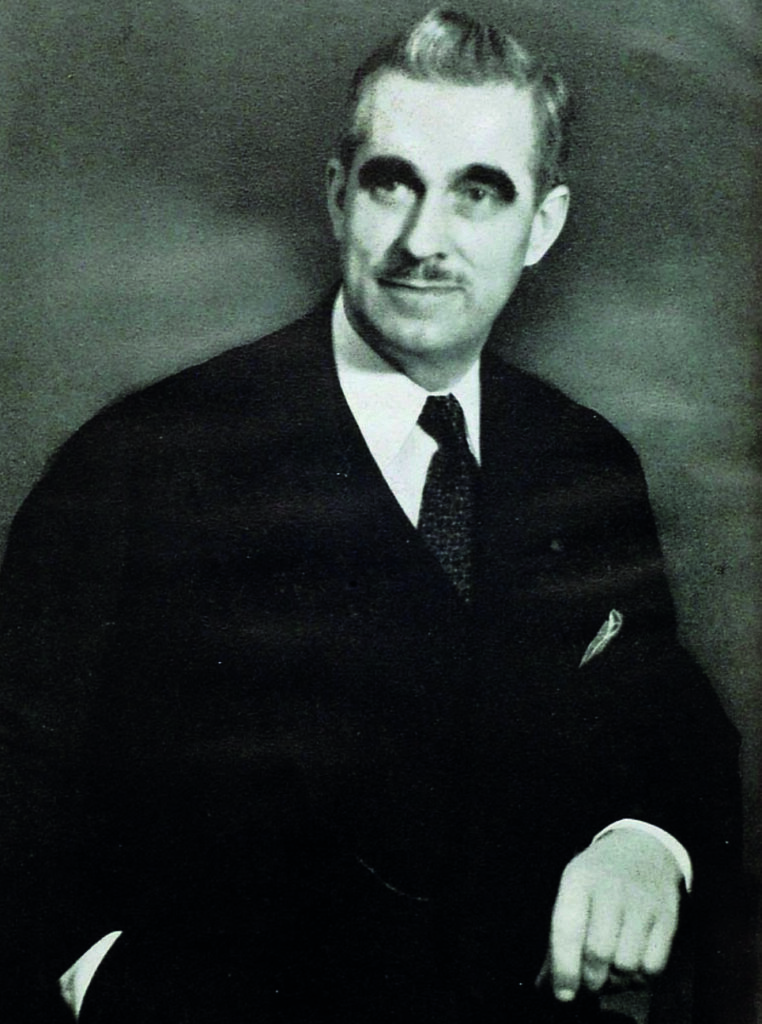
But his whole career was bookended by soup. Born in rural Auvergne in 1885, he began learning cuisine bourgeoise aged five at the knee of his mother and grandmother, and by the age of eight, he was rising early to hone his soup-making technique. Despite an illustrious, globe-trotting career, at the end of which he wrote cookbooks, including a guide to French sauce making, Sauces: French and Famous (1951), it was his 1917 invention of crème vichyssoise glacée – Vichyssoise soup – that defined his legacy.
Ambitious young sauciers today would do well to study his story, perhaps sourcing a copy of Cooking à la Ritz, which includes the recipe for Vichyssoise.
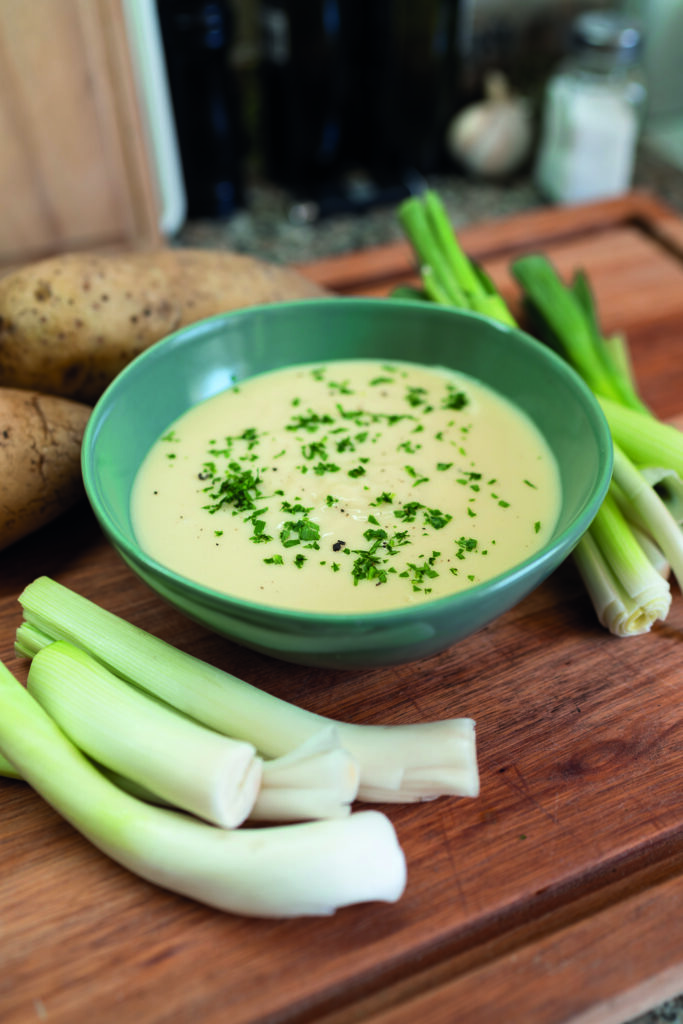
There were many other Diat creations, including the glamorous starlet-inspired Chicken Gloria Swanson (chicken cooked in white wine and cream, with mushrooms and sliced cooked tomatoes, garnished with rice and truffles) and Cœur Flottant Grace Moore (vanilla and chocolate mousse).
But it is the simple chilled soup – inspired by his childhood, when he would add splashes of cold milk to soup in order to be able to eat it more quickly, and named after Vichy, the spa town near his birthplace – for which he is best known.

Lead photo credit : Shutterstock
Share to: Facebook Twitter LinkedIn Email
More in Auguste Escoffier, Béarnaise sauce, French cooking, French cuisine, French gastronomy, French sauces, Joël Robuchon, Louis Diat, Marie-Antoine Carême, sauce making, saucier, Vichyssoise
Related Posts