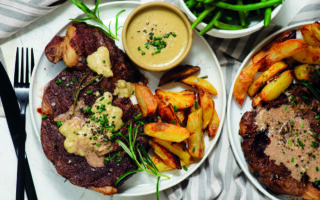
A Taste of Dijon: Mustard, Markets, Wine and More
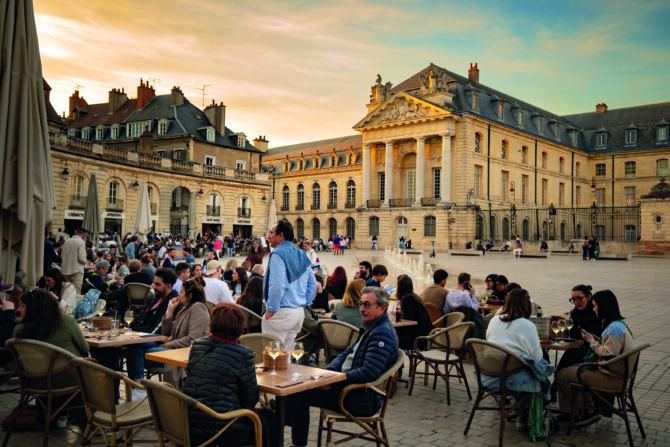
There’s more to Dijon’s culinary scene than its famous mustard – from gingerbread and blackcurrants to Burgundy wines, bustling markets and fine dining…
Few French cities are as closely associated with gastronomy as Dijon. Capital of Burgundy and gateway to some of France’s most celebrated vineyards, the city has built its reputation on a combination of culinary know-how, regional products and a long tradition of eating and drinking well. Mustard may be the name most visitors recognise, but Dijon’s gastronomic identity extends far beyond its famous condiment.

The city’s status as a capital of gastronomy is reflected in everything from its bustling markets and specialist producers to its restaurants and cultural attractions. At the heart of this celebration of food and wine is the Cité Internationale de la Gastronomie et du Vin. Dedicated to the UNESCO-recognised French gastronomic meal and Climats of Burgundy vineyards, the complex brings together exhibitions, cultural spaces and educational experiences focused on gastronomy, wine and regional know-how.
Visitors can explore exhibitions examining French food culture and the history of the city, while also learning more about the traditions that have helped to shape Burgundy’s culinary identity.
No exploration of Dijon would be complete without mustard. The city’s name has been associated with it for centuries, while its modern recipe dates back to 1856, when Dijon mustard-maker Jean Naigeon replaced vinegar with verjuice, the juice of unripe grapes. Today, visitors can discover that heritage for themselves through mustard-making workshops organised by the tourist office. Burgundy is also home to several notable producers, including Fallot, which makes traditional mustard using Burgundy-grown seeds, and Reine de Dijon.
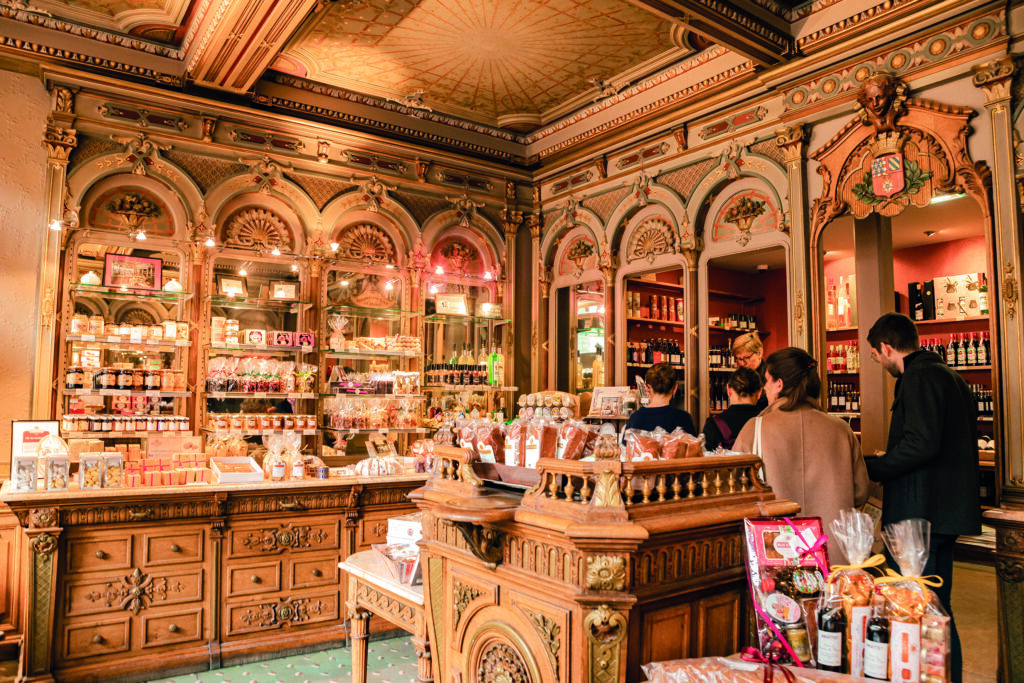
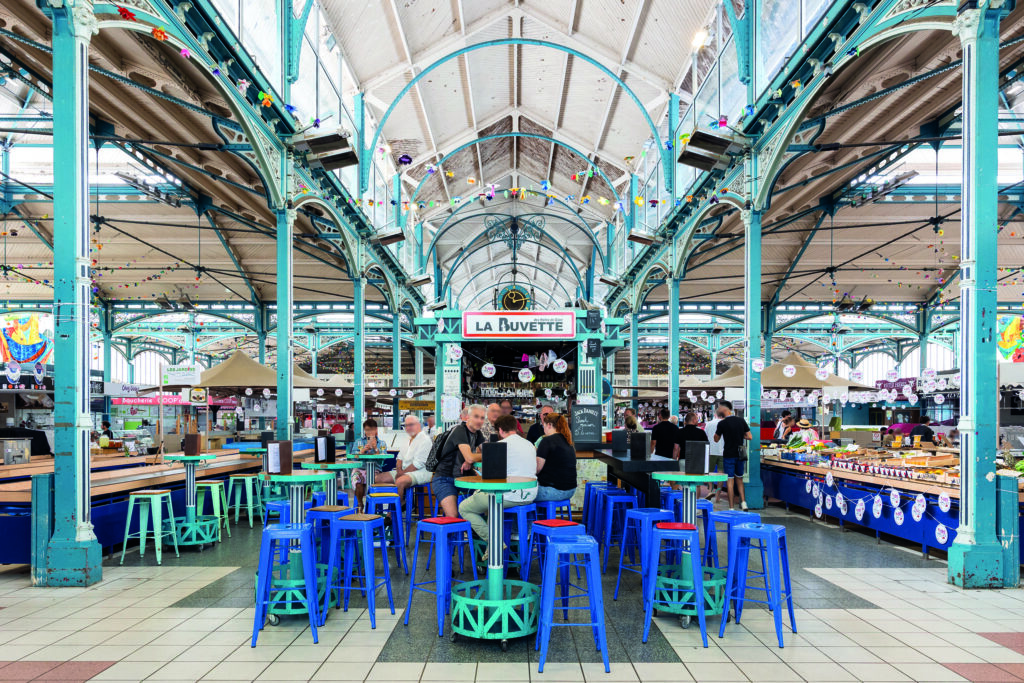
Another of the city’s best-loved specialities is pain d’épices. Mulot & Petitjean, founded in 1796, is the oldest gingerbread maker in Dijon and remains one of the city’s most recognisable food institutions. Visitors can tour the factory to discover the history of gingerbread and how it is made from honey, flour and spices. The company’s museum and factory visit provide an insight into a tradition that has been part of Dijon’s culinary heritage for more than two centuries. Food lovers should also make time for Les Halles, Dijon’s covered market. Built in the 19th century and inspired by the architecture of Gustave Eiffel, the market remains one of the city’s great gastronomic meeting places. Here you can find regional cheeses, charcuterie, seasonal produce, baked goods, wines and more. It is the ideal place to taste local products and soak up the atmosphere of the city.
Wine, of course, is inseparable from Dijon’s story. The city sits at the northern gateway to the Côte de Nuits and the Route des Grands Crus, with some of Burgundy’s most prestigious vineyards only a short distance away, making it a natural base for exploring the region’s wine heritage. It is also home to the Cité Internationale de la Gastronomie et du Vin, which provides further opportunities to understand the relationship between terroir, gastronomy and the wines that have made Burgundy world-famous.
Alongside mustard, gingerbread and wine, Dijon is also associated with crème de cassis, the blackcurrant liqueur that forms the basis of the Kir cocktail, named after former Dijon mayor Félix Kir. Together, these specialities help explain why Dijon continues to occupy such an important place on France’s gastronomic map.
Share to: Facebook Twitter LinkedIn Email
More in Bourgogne, Burgundy, Burgundy wine, Cité Internationale de la Gastronomie et du Vin, Côte de Nuits, crème de cassis, Dijon, dijon mustard, Fallot mustard, Food markets, French food, French gastronomy, French mustard, Gingerbread, Kir cocktail, Les Halles Dijon, Mulot & Petitjean, pain d’épices, Reine de Dijon, Route des Grands Crus, Wine Tourism
Related Posts