Jean Fillioux: The Art and Alchemy of Cognac
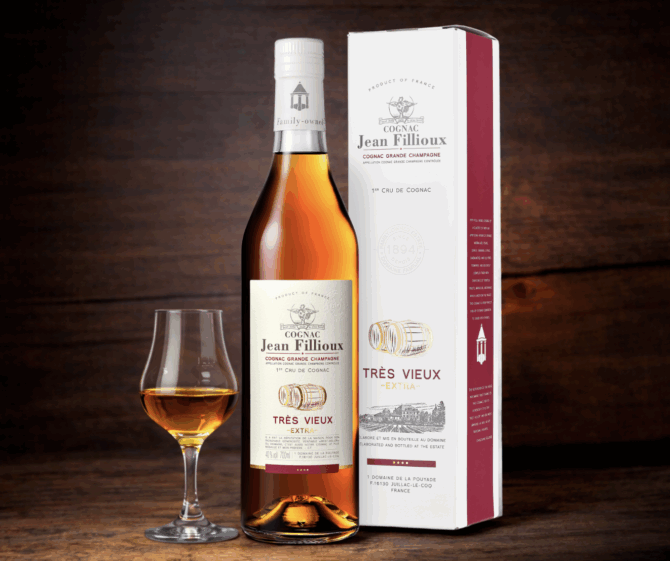
Nestled in the heart of Grande Champagne, the historic estate of La Pouyade has been the home of the Fillioux family since 1894. Perched atop a gentle hill, the estate overlooks the family’s 25-hectare vineyard in Juillac-le-Coq, part of the region’s famed “golden triangle” alongside Angeac-Champagne and Verrières. It is here, in this limestone-rich terroir, that the finest eaux-de-vie are born, spirits that reflect centuries of expertise, patience, and artistry.
At the helm of this fifth-generation house is Christophe Fillioux, who, each October, oversees the harvest of the estate’s Ugni Blanc grapes. These grapes, celebrated for their delicate acidity, low tannins, and optimal sugar content, are ideal for distillation. The estate has also begun experimenting with Folignan, a hybrid grape combining the aromatic elegance of Folle Blanche with the resilience of Ugni Blanc. Once harvested, the grapes are carefully turned into wine, undergo malolactic fermentation, and then distilled in traditional Charentais pot stills, typically beginning in December.
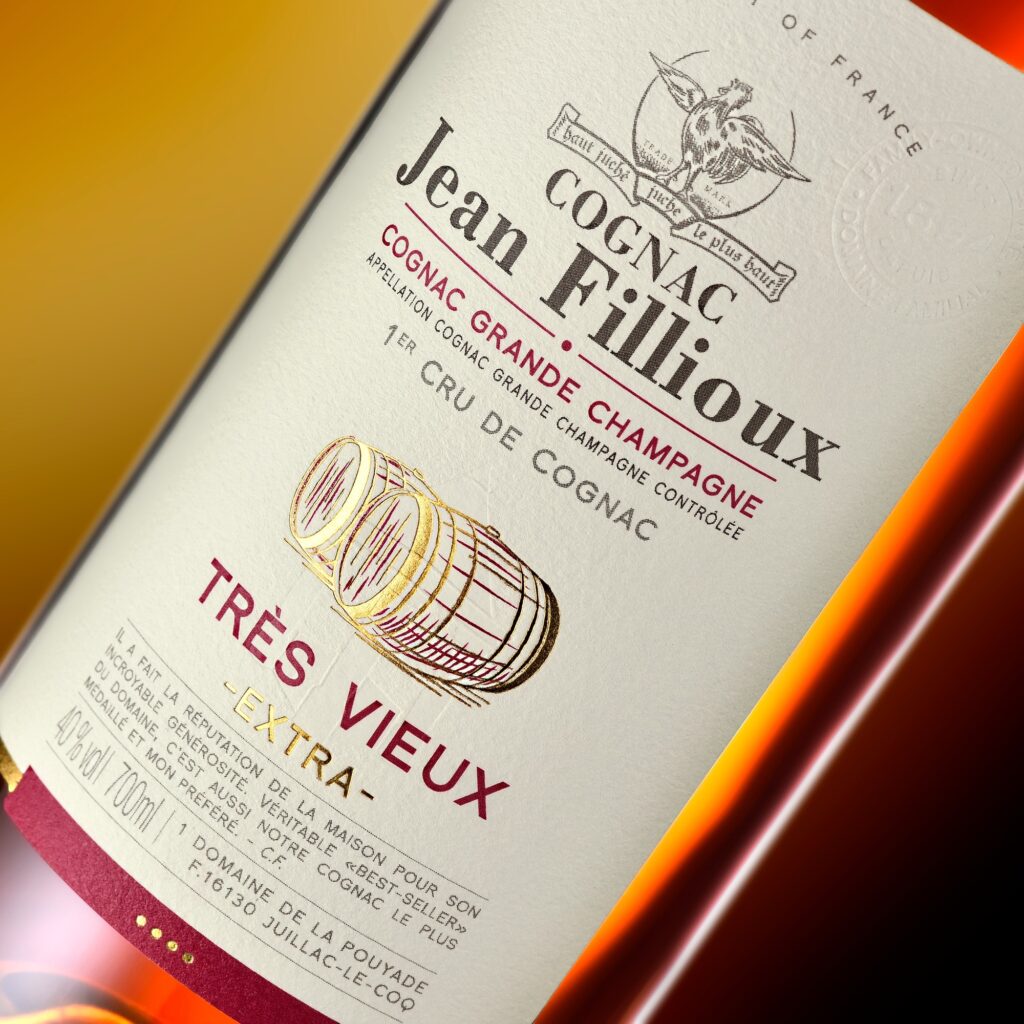
But it is in the cellar where the true magic of Jean Fillioux unfolds. Christophe, alongside his father Pascal, revered as the “Magician of Aromas”-spends years nurturing their cognacs. Barrel by barrel, day after day, the pair taste, sniff, blend, and make meticulous notes, listening to the spirits as they mature. This intimate, almost ritualistic attention ensures each cognac achieves its fullest potential, capturing the subtle harmony of fruit, wood, and time.
The barrels themselves are central to the process. Roughly 90% come from Limousin oak, prized for its loose grain and aromatic tannins, while the remaining 10% are sourced from Tronçay oak, offering a tighter grain and a different aromatic palette. Christophe and Pascal personally select their barrels from a range of Charentais coopers, ensuring a rich diversity that allows the eaux-de-vie to express a wide spectrum of flavours.
Ageing is an art in itself. Young Jean Fillioux cognacs are typically rested in second-fill “red” barrels, which preserve the elegance and freshness of the grape while lending floral notes. Spirits destined for decades-long ageing begin life in new barrels for three to five years, before moving to older casks where the wood’s tannins mellow, unlocking layers of honey, vanilla, coconut, and spices alongside vibrant fruit and floral aromas. Over time, fresh fruit notes evolve into ripe, candied fruit, and eventually develop the distinctive “rancio” that defines a masterfully aged cognac.
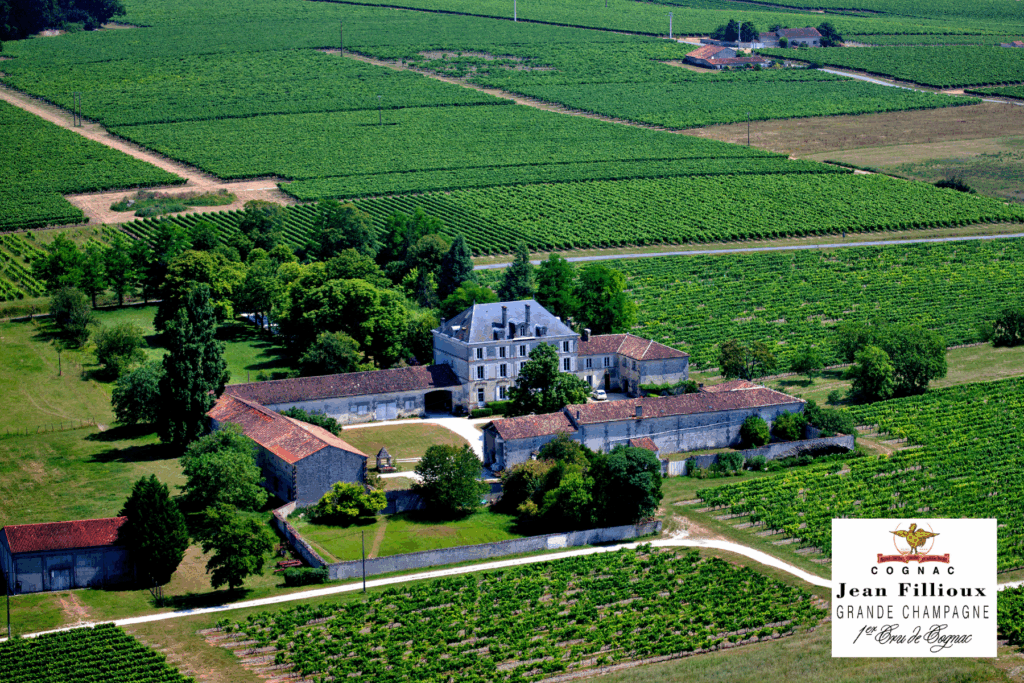
Through meticulous craftsmanship, an intimate understanding of terroir, and decades of patient ageing, Jean Fillioux has earned its place among the most revered names in Cognac. Each bottle is more than a spirit; it is a testament to heritage, precision, and the timeless art of transformation, where grapes plucked from a limestone hillside are transformed into liquid poetry.
Share to: Facebook Twitter LinkedIn Email
More in Alcohol, Cognac, French alcohol, french cognac, French spirits, jean fillioux
Related Posts