Chartreuse: The Monk’s Elixir
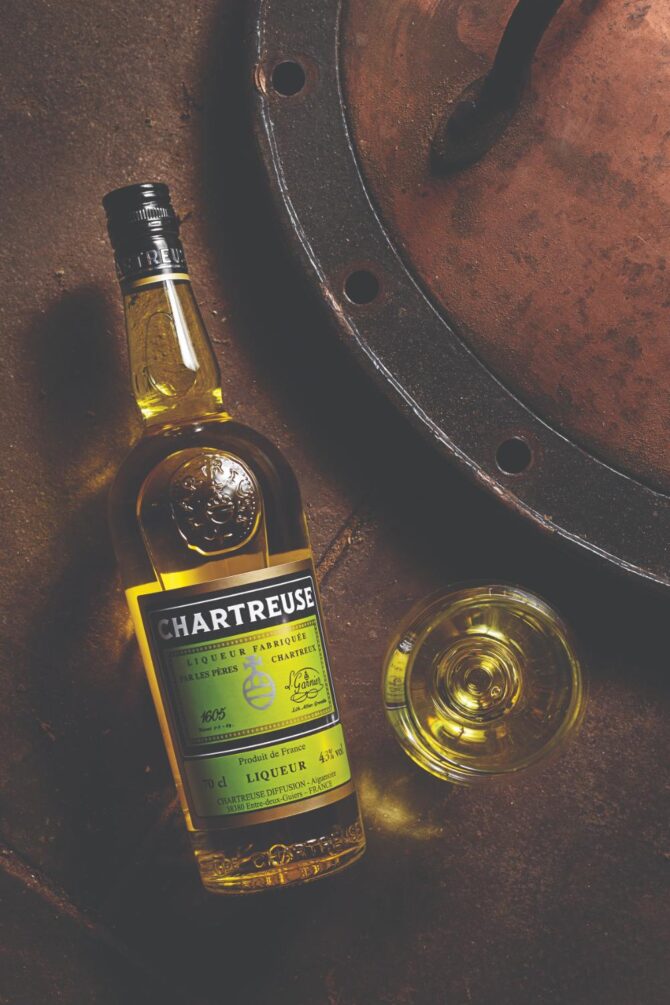
Amid avalanches and revolution, the Carthusian monks endured centuries of hardship – yet from their solitude was born the enduring legend of Chartreuse. By Dominic Bliss…
The Carthusian monks in the French Alps have suffered their fair share of hardships since their order was established almost 1,000 years ago.
At various times, their monasteries in the Chartreuse Mountains have been plagued by avalanches, revolution, pestilence and multiple fires. And all throughout, the God-fearing brothers and fathers have been expected to live like hermits, in silence, solitude and contemplation.
But there is one little pleasure that has given them succour: since 1605 they have been distilling a rather tasty liqueur which is, nowadays, known as Chartreuse. The story of Chartreuse is steeped in myth, and whether you believe it all is up to you. But, according to the distillery, here’s how the story goes…
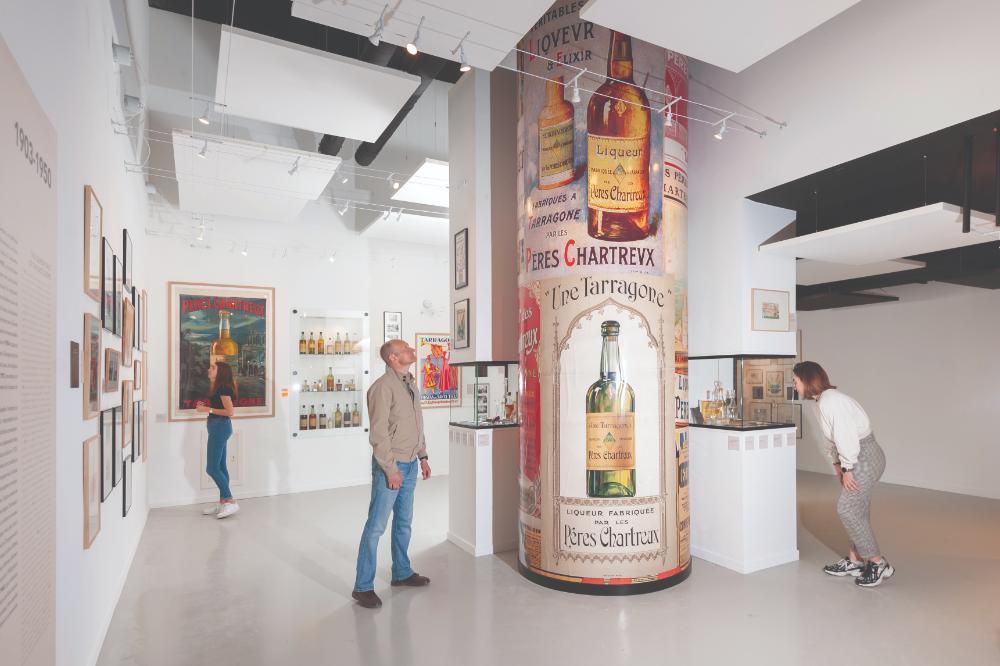
Site touristique et culturel Caves de la Chartreuse (5)©Pascal Flamant
In 1605, a senior soldier and diplomat called François-Annibal d’Estrées gifted an ancient manuscript to the Carthusian monks in Paris. In its dusty pages was the recipe for “an elixir of long life”. So complicated were the ingredients and the formula that it took the monks well over 150 years to perfect their distillation techniques. After multiple attempts, finally, in 1764, Brother Antoine Dupuy developed a “greenish” spirit with “a pungent and active” taste.
A revolutionary flavour
The local populace couldn’t get enough of the stuff and before long, the monks found themselves delivering bottles on the backs of donkeys to the markets of Grenoble and Chambéry, and to various depositories all across the region. During the French Revolution, the recipe was almost lost when the monks were expelled from their monasteries. Later, after the short-lived restoration of the monarchy, production flourished, especially when drinkers realised Chartreuse’s medicinal qualities could protect against the cholera epidemic which raged across Europe in the 1830s. By 1840, sales of the drink – especially to the soldiers barracked nearby – constituted the Carthusian monks’ chief income. Bottles were exported all over France and to Switzerland and Italy. For five centimes, visitors to the monastery were able to enjoy a small glass of the liqueur.
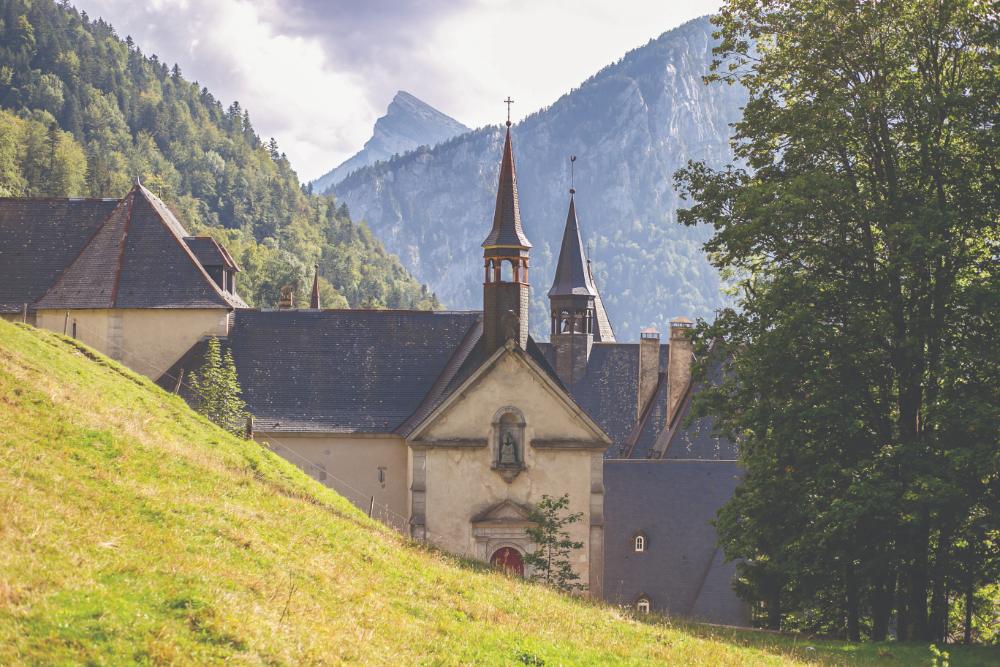
Monastere_Grande_Chartreuse_@Pascal_Flamant
During the 20th century, Chartreuse’s fortunes waxed and waned, depending on the prevailing attitudes to religion and alcohol. Nowadays, thanks to some very canny marketing, there are at least nine different drinks available under the Chartreuse brand, each composed of 130 plants, flowers, bark, roots and spices. However, since this is a religious company rather than a purely commercial one, the monks don’t distil as much booze as they could. A few years ago, in order to “protect their monastic life and devote their time to solitude and prayer”, they decided to limit production somewhat.
Curiously, according to Chartreuse’s promotion company, Chartreuse Diffusion S.A., the recipe for the drink is known to only two living monks at any one time. This is likely to be an exaggeration, however, especially as a former Carthusian monk called Father Michael K Holleran suggested in 2014 on a US TV show that as many as five monks, including him, knew the recipe. Whatever the truth, a spot of intrigue certainly adds to the allure of a commercial product.
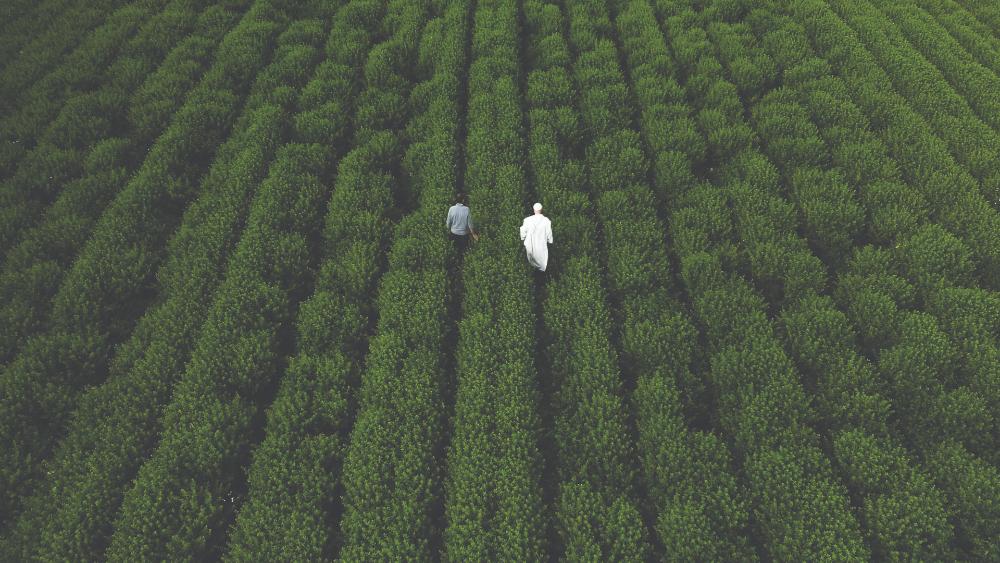
Culture_plantes_moine_laïc_©Pierre_Reynard
But what do the drinks taste like? The distillers suggest they should be enjoyed as digestifs (chilled to between 11°C and 13°C, or over ice) or in cocktails. And it’s the Chartreuse Verte that is the best known.
“Hold the glass far enough from the nose to smell the perfumes without inhaling the alcohol fumes,” they advise of this popular tipple. “The aromas are complex and powerful, herbaceous, peppery, with hints of cloves. A fresh palate with vegetal, mint, pine sap and citrus notes. Bitter tea at the end of the mouth prolongs the tasting.”
The other favourite spirit is Chartreuse Jaune. “Pass the glass under your nose several times to familiarise yourself with the aromas,” the distillers suggest. “Inhale slowly but deeply. The nose is fresh and spicy at the same time. It is best to take a first sip to prepare your palate for tasting. Scents of turmeric, citrus and light notes of anise. Floral notes extend the tasting.”
From the bar to the kitchen
It was Harry Johnson, US bartender and author of an influential cocktail book, who in 1860 created the first Chartreuse cocktail – the Bijou, containing Chartreuse Verte, gin and red vermouth. In the early 20th century, the Athletic Club in Detroit devised The Last Word, with Chartreuse Verte, gin, maraschino liqueur and lime juice. Other cocktails include the Chartreuse Swizzle (with falernum, pineapple juice and lime), the American Pola (with Campari and tonic) and the Chartreuse Mule (with lemon juice and ginger beer).
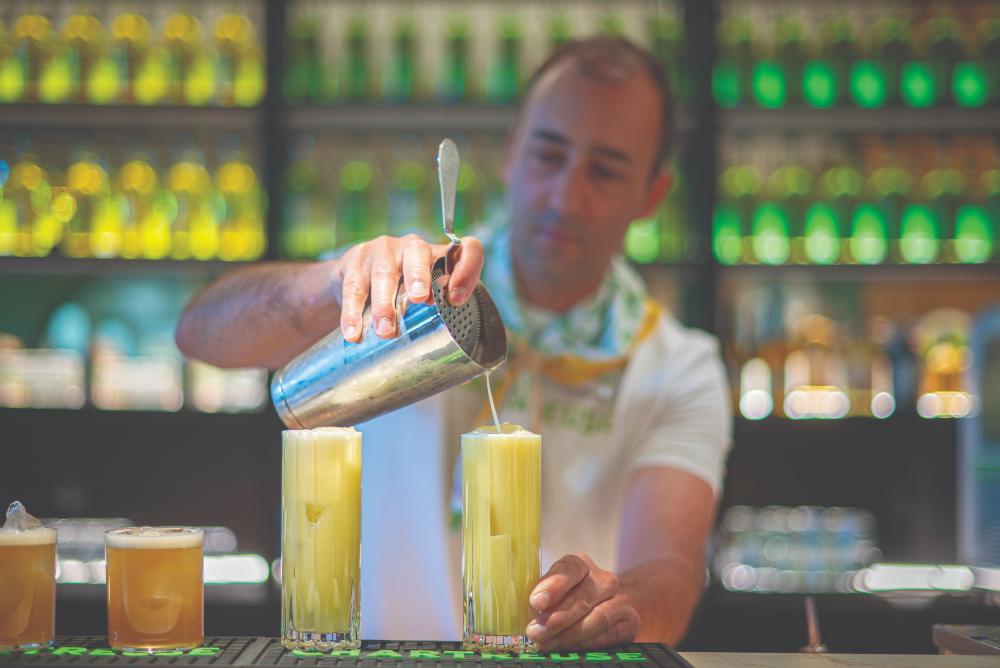
Bar_Chartreuse2@Pascal Flamant
In its native Isère department, Chartreuse is also very popular in desserts. You’ll regularly find the spirit included in crème brûlée, chocolate mousse, or drizzled over ice cream. Some chefs use it in savoury recipes, such as terrines, or in sauces for seafood or chicken.
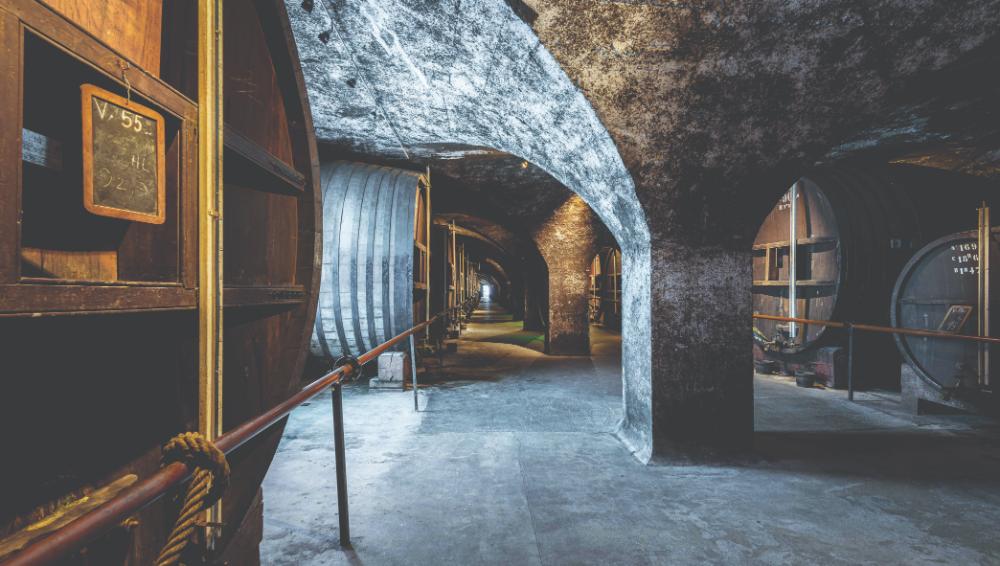
Chartreuse Cave historique de Voiron_©Pascal Flamant
The Chartreuse distillery is in a mountain village called Entre-Deux-Guiers, roughly halfway between Grenoble and Chambéry. Unfortunately, for reasons that aren’t clear, members of the public are not allowed to visit. Instead, anyone interested in this secretive spirit should head for the Caves de la Chartreuse (www.chartreuse.fr) on Boulevard Edgar-Kofler in the town of Voiron where there is a museum, a shop and a cocktail bar. A few kilometres away, next to the Chartreuse monastery in Saint-Pierre-de-Chartreuse, there’s also a museum of the monks’ former living quarters (musee-grande-chartreuse.fr). When you learn just how ascetic and austere their lives are, you better understand the crucial role this elixir plays.
The Chartreuse distillery is in Isère.
Looking for more French food and drink content?
In our magazine we offer a whirlwind tour of the best gastronomic destinations. Discover La Belle France’s renowned markets, quirkiest food festivals, most indulgent restaurants and foodie experiences.
Lead photo credit : Ambiance_Chartreuse_jaune©Nicolas_Villion
Share to: Facebook Twitter LinkedIn Email
More in Chartreuse, French Drink, French spirits
Related Posts