The ultimate winter gourmet holiday in France
Alexander Lobrano dons his sweater and waterproof and heads north to sample spectacular seafood…
Peering past the holidays, the long maw of another long, grey winter provokes a desire in many people to dash off to France’s Alpine ski slopes in search of fresh air, possibly blue skies and a bit of fun in the snow. Others, sitting in a stuffy commuter train smelling of wet wool, might dream of escaping to the white sands, turquoise waters and sunshine of a tropical island in the Caribbean.
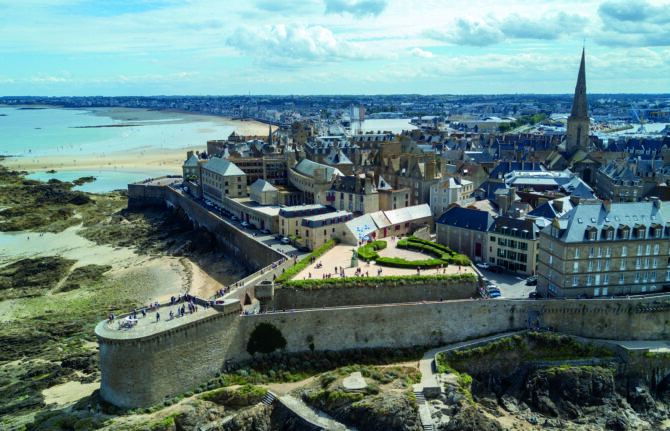
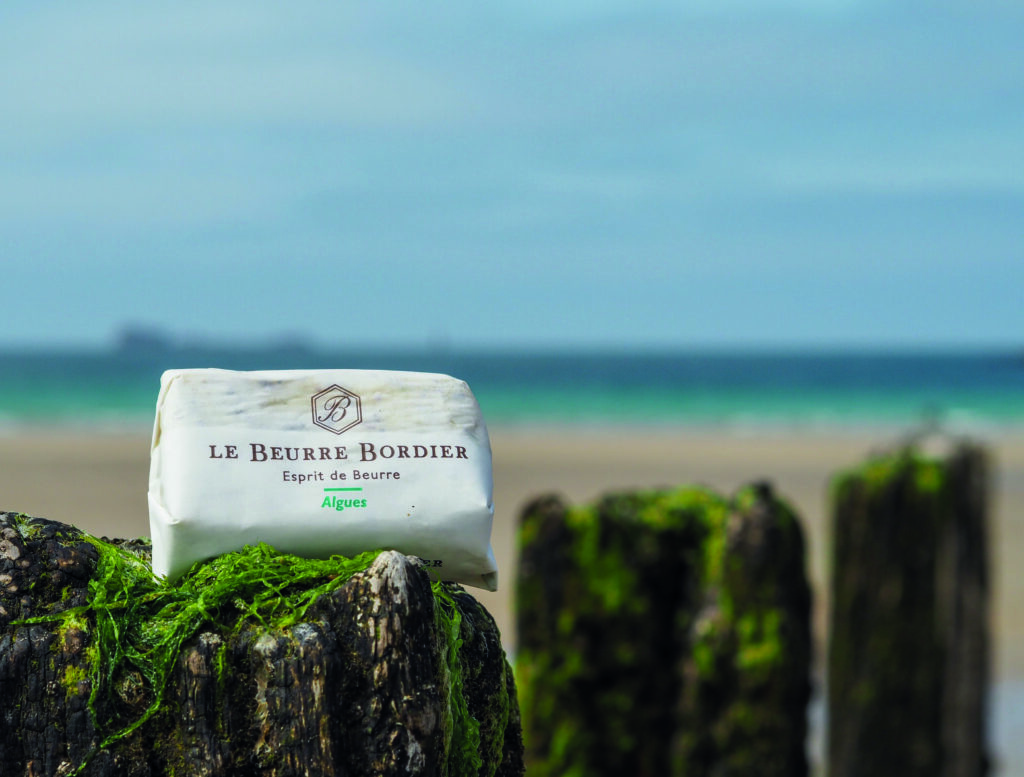
I love to ski and am also an avid beachcomber, but my favourite winter holiday is much closer to home and doesn’t require a lot of pricey gear. Instead, I pack a good book or two, a waterproof jacket and a heavy jumper, and hop on a train to Saint-Malo, the walled Breton port where the world’s best butter – Beurre Bordier – is hand-churned, shaped and seasoned to complement some of the world’s best oysters, from the nearby Bay of Cancale. In Saint-Malo, I pick up a hire car and head to Cancale itself, less than half an hour away.
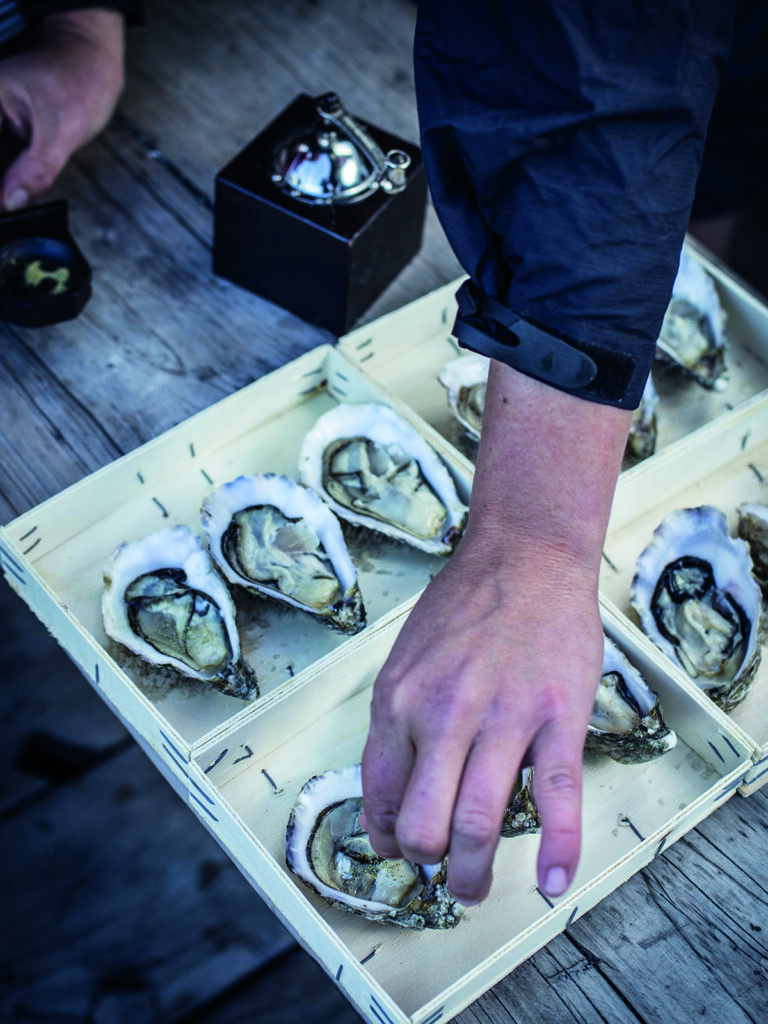
Wintertime is the height of the oyster season in France. I love their creamy flesh, pulse-pumping brininess and milky richness – and in my opinion, the best oysters in the world come from Brittany. Why? Because oysters reflect the waters in which they’re raised as much as wine grapes reflect the soil that nourishes them. They are profoundly a product of Brittany’s terroir-its nutrient-rich waters, tides and climate. If they’re delicious everywhere here, I find those from the Bay of Mont Saint-Michel, which includes Cancale, particularly good for their unique taste. (I’m also fond of oysters from Utah Beach and environs in Normandy.)
Two varieties appear on Breton menus. Creuses are concave oysters that will fit into the cup of your hand, mostly of the Japonaise variety, imported after disease nearly eliminated the Portugaise in the 1970s. Plates, or ‘flat’ oysters, are native Belon oysters and much rarer. Oysters are graded from 000 to 6, the smaller number indicating the larger size.
A coastal cuisine
The dramatic tides in the Bay of Cancale make it ideal for ostreiculture, hence the curious racks exposed when the tide goes out. You can sample Cancale oysters at open-air stands at the port, and learn more about their history and cultivation at the nearby Ferme Marine de Cancale, an oyster processor with an interesting museum.
This coastline is also where modern Breton cooking and French Celtic gastronomy were born under chef Olivier Roellinger, 70, a Cancale native and son of a doctor who studied chemistry before a violent attack left him in a coma and recovering for two years. Cooking, he says, helped him regain a taste for life. I first met him on a rainy night in 2006 in Cancale just after he’d won his third Michelin star for the restaurant he’d opened in a malouinière – the elegant stone houses built by wealthy Saint-Malo merchants. Sent by a New York magazine to profile the chef putting Brittany on the map with his spice-seasoned cuisine, I ate a spectacular solo meal in the cosy dining room.
That night, Monsieur Roellinger seemed to want me to taste everything, so I had a very long and copious meal. I vividly remember many of the dishes which comprised that meal, the elegance of their gustatory subtlety and the winsome imagination that conceived them: warm oysters with wild sea herbs and crunchy buckwheat; velvety cauliflower soup with vanilla; lobster made sultry by Xérès wine and cocoa nibs; and John Dory with a sauce retour des Indes with Savoy cabbage and a compote of mango and apple.
The compote intrigued me because the meeting of the sweet, fleshy tropical fruit and the firm, tart one I’d known my whole life long was fascinating. They’d been grown in different places by two completely different cultures, yet there was an exciting affinity between them. I was puzzling over it when a soft-spoken man in bronze corduroy trousers and a moss-green cashmere sweater over a light blue Oxford shirt came to my table. “Would you like to join me in my study?” he asked. I had expected a chef in kitchen whites and a toque, but no, Monsieur Roellinger had changed.
We sat by a crackling fire in his book-filled study, sipping the best apple brandy I’ve ever had. He explained that Saint-Malo had been a major port in the French spice trade with Asia, making it wealthy and familiar with exotic seasonings-cardamom, curry leaf, mace, nutmeg, star anise. This, he said, made local cooking more adventurous than elsewhere in Brittany. He was fascinated by vadouvan, a French take on masala from Pondicherry on the southeast coast of India, with onion, garlic, cumin, mustard seeds and fenugreek. The fire crackled, and I listened intently. This warm, kind, brilliant man was a fascinating narrator.
“Spices are the rudder of my kitchen, but the ballast is the Celtic palate,” he continued. “Brittany was poor and isolated for centuries, and the Bretons had a complicated relationship with the sea. For example, they wouldn’t eat crab or other crustaceans, because they had a fear they might have fed on the flesh of drowned sailors. Pork and oats were as important as fish, and various varieties of apples were not only our main fruit but important seasoning in terms of vinegars and syrups made from them.”
Culinary evolution
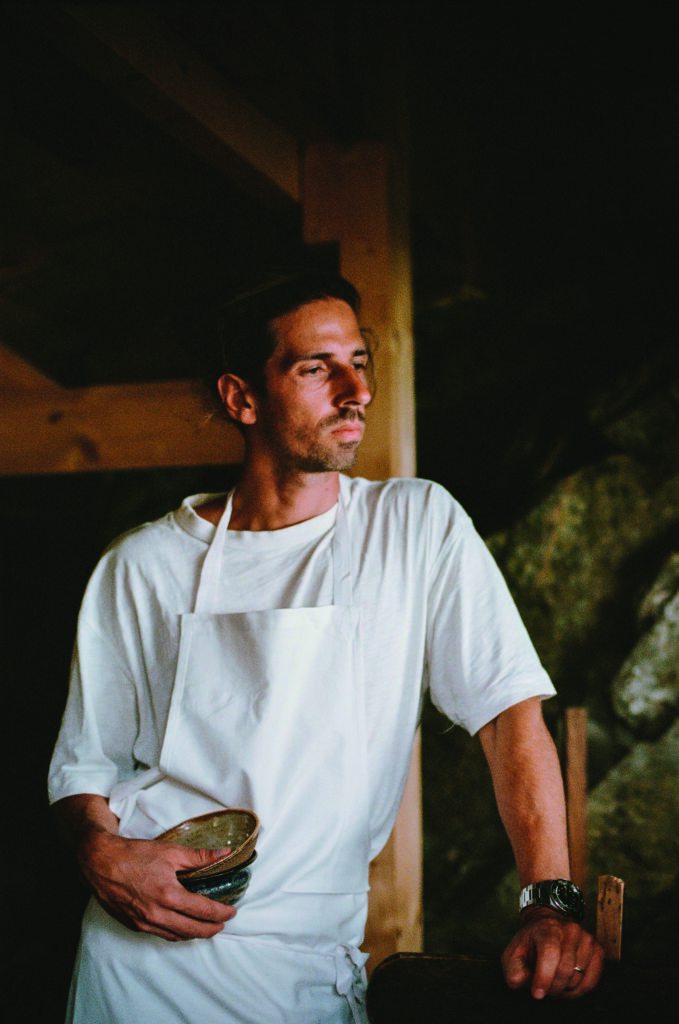
Championing spices and Celtic gastronomy. Roellinger aspired to create a new gastronomic identity for Brittany and his mission was successful, as proven by the three Michelin stars he won. But he was also eager for his cooking to advance a renewal of traditional agriculture in Brittany. “We are pillaging the sea and despoiling our land,” he told me almost 20 years ago. “And this must change.”
In this beautiful corner of France, change has come, with the Roellinger family very much at the centre of the evolution. Just years after his third star, Olivier Roellinger stopped cooking to create a spice business, now with boutiques in Cancale, Saint-Malo and Paris. The Roellingers have also opened a range of lodgings, including charming self-catering cottages and a four-star boutique hotel in an old Breton house. The most romantic of all, however, is the Château Richeux, a stone mansion turned hotel on the cliffs overlooking the bay of Mont Saint-Michel.
It’s hard to imagine a better way to spend a winter’s day than settled with a good book and a pot of tea, watching the tide and knowing dinner by Hugo Roellinger, Olivier’s son, awaits at the Michelin three-starred Le Coquillage. Hugo’s genius with seafood lies in his almost monastic simplicity. He cooks to enhance and elaborate the natural flavours of the produce and holds three Michelin stars for consistently executing some of the most beautiful and imaginative seafood dishes in the whole of France. Two defining dishes include langoustines in a morel tartelette a sublime contrast of sea and earth-and chimney-smoked, seaweed-steamed lobster with ethereal sauces that veil rather than overwhelm.
The Roellingers’ second restaurant, Le Bistrot de Cancale (open daily), is affordably priced and serves beautifully cooked local dishes. My last lunch there began with cuttlefish and green beans with angelica, followed by turbot with hollandaise, and a superb blackcurrant soufflé with cardamom. This relaxed, friendly place is a regular stop on my Cancale visits.
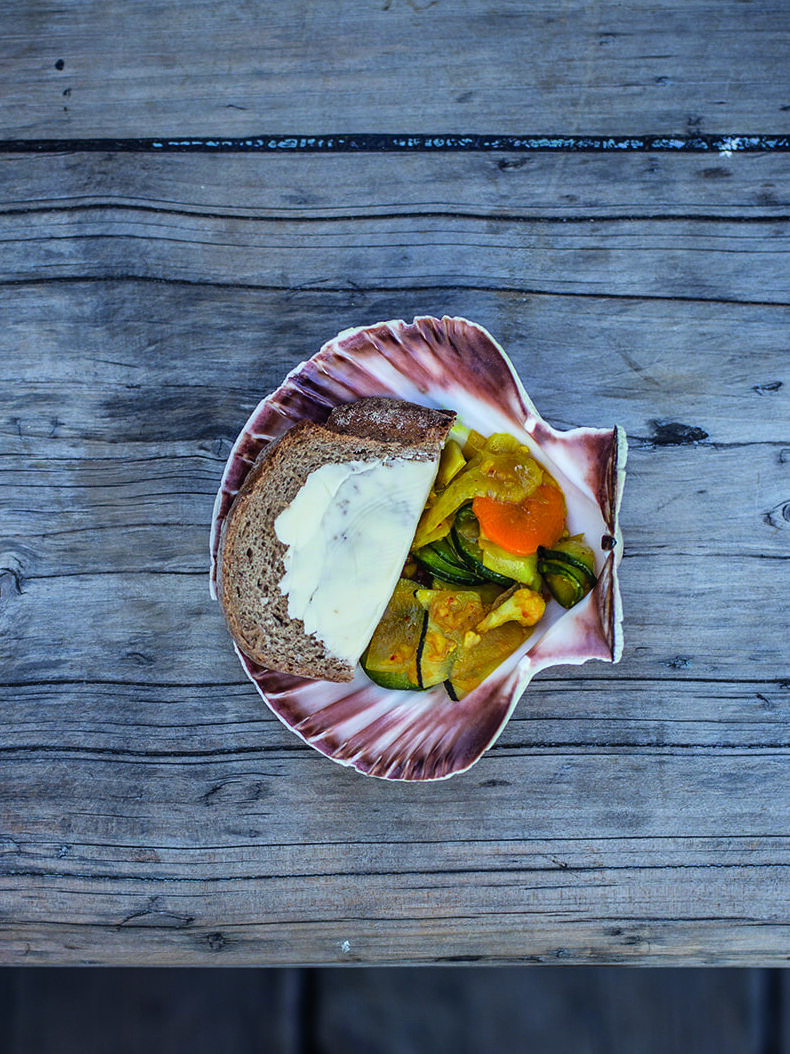
Another local gastronomic force is Breton Bertrand Larcher, who has elevated crêpes and galettes with organic flour, Breton butter and the finest seasonal ingredients. His Breizh Café empire includes 13 Paris locations and outlets in Saint-Malo, Cancale, Rennes, Lyon, Megève, Biarritz, Bordeaux and Japan. Larcher’s years in Japan explain both the popularity of crêpes there and one of my favourite Cancale restaurants: La Table Breizh Café, where Japanese chef Raphaël Fumio Kudaka has won a Michelin star for the fascinating hybrid cuisine marrying Breton produce and Japanese culinary techniques and gastronomic logic. His tasting menu, which is one of the loveliest ways to spend a languid winter day in Cancale, evolves with the seasons and may include kig ha farz à la Japonaise (a Japanese take on the hearty Breton dish kig ha farz, which rather resembles haggis), made up of a ragout of pork belly and fried tofu with buckwheat stuffing, sautéed vegetables, seaweed and a dashi bouillon with cider and sake.
Delicious in all weathers
Depending on the weather, sometimes I’ll wander further afield-strolling Saint-Malo’s ramparts on a gusty day, then lunching at Le Cambusier, inside the formidable stone walls: maybe six oysters with spiced, orange-flavoured pork rillettes; fillet of yellow pollack with curcuma-seasoned roasted cauliflower and a light ginger-spiked cream sauce; and one of my favourite desserts in France, vanilla millefeuille with roasted pecans and salted butter caramel sauce.
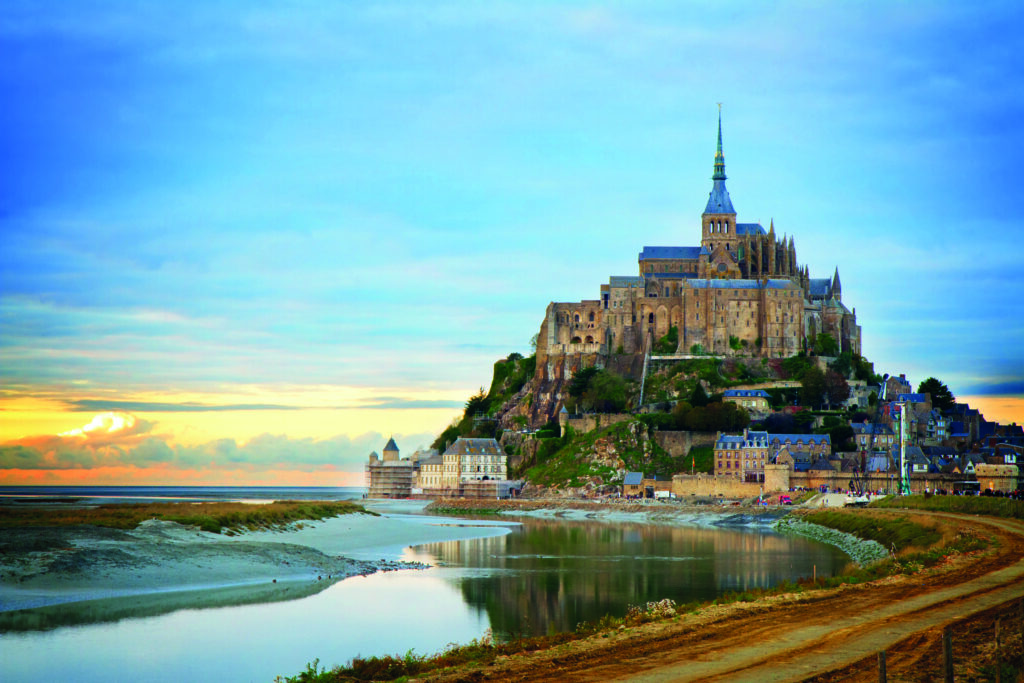
Last winter, I made a day trip to Mont Saint-Michel to try Logis Sainte Catherine, the new restaurant created in the former fire station barracks y Valérie Gilbert, the president of Mauviel cookware. Chef Thibault Schach’s outstanding cooking includes squid sautéed with tomatoes and Kalamata olives, rillettes of sea crab, roasted sole in beurre blanc with black lemon, lamb pré-salé from the salt-rich pastures that surround Mont Saint-Michel, and the best kouign-amann-the crunchy. buttery, sugar-crusted Breton pastry – I’ve ever had. If you get an early start on the day, you may want to push on to Villedieu-les-Poêles, where the Mauviel cookware factory has an outlet store, which is a wonderful place to stock up for items for your home kitchen, or to buy gifts. Run by five generations of the same family since 1830, Mauviel probably makes the world’s best cookware. It’s especially well known for its copper cookware, including such speciality items as turbotières-diamond-shaped copper pans for cooking turbot; handmade, these run to €2,113.
And just in case you were still poking around for holiday gifts, I can’t imagine a more welcome one than a meal at one of the Roellingers’ two restaurants, which is why it’s such good news that they sell gift certificates on their website. Oh, and by the way, as much as I love coming to this magnificent corner of Brittany during the winter, it goes without saying that it is an equally delicious destination any time of year.
Looking for more French food and drink content?
In our magazine we offer a whirlwind tour of the best gastronomic destinations. Discover La Belle France’s renowned markets, quirkiest food festivals, most indulgent restaurants and foodie experiences.
Lead photo credit : Shutterstock
Share to: Facebook Twitter LinkedIn Email
More in Brittany, Normandy, Seafood
Related Posts