Does wine go bad?
Vino Voss vinicultural expert Matthew Cocks reveals the truth about storage, ageing and spoilage…
The good news is that wine does not spoil although it does degrade over time. The air starts this process and heat controls the speed. You can’t stop it from happening, but you can slow it down – the most important factor is temperature. If you remember nothing else, remember these things: keep it sealed and keep it cool.
Wine is naturally acidic and alcoholic, which makes it inhospitable to harmful bacteria. Potentially dangerous organisms cannot survive in the levels of acid and alcohol found in wine. Additionally, many wines, especially those shipped in bulk containers or made with residual sugar, undergo filtration that removes microbes. As a result, wine always remains safe to drink, no matter how long it has been stored.
However, wine does not always remain enjoyable to drink because it is a perishable product with a life cycle. Wine moves irreversibly through the stages of youth, maturity, old age and decay with the passage of time. This transformation initially offers the drinker more charm, then progressively less, and eventually none.
Over time, the compounds that give the wine its smell and taste can evaporate or break down. This makes the aromas and flavours seem less vibrant as they fade away.
A wine’s structural elements, such as acids and tannins, also degrade or precipitate out of solution in lockstep with the changes to aroma and flavour. At the endpoint, wine simply becomes a solution of vinegar in water. This transformation is driven by oxidation and heavily influenced by temperature.
HOW TO STORE WINE
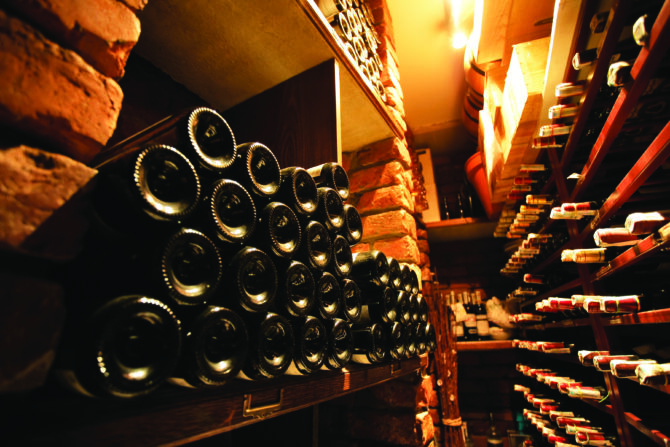
When you buy wine, it comes in a sealed package designed to preserve its intended condition. To ensure a wine achieves its maximum shelf life, you only need to do two things: first, keep the wine sealed, and second, store it at a stable temperature that prevents heat expansion from breaking the seal. Keeping wine at around 55°F is ideal. Storing it at 60°F is acceptable for a year or two, but keeping it at 75°F for even 24 hours risks breaking the cork seal.
Knowing how to maximise a wine’s shelf life is one thing. Understanding what a wine’s shelf life is to begin with is another. Not all wines are intended to have the same lifespan. A rough estimate of a wine’s ageing potential can be made by considering its density of flavour and structure. Flavour density is the combination of how pronounced a flavour is along with its texture on the palate. To illustrate this, consider chocolate mousse, chocolate ganache, and couverture chocolate. All three are chocolate-flavoured but show increasing intensity. Mousse is light and airy. ganache is denser and gooey, while couverture is firm. In wine, a greater intensity of flavour and structure suggests a longer lifespan.
Wine structure is defined by its acidity, alcohol, sweetness and tannin. A high level of one of these extends a wine’s potential lifespan, while a high level of all four extends it significantly. The structure provides the framework that supports a wine’s concentrated aromas and flavours, allowing them to develop and evolve over time.
The simplest thing to remember is that wine will never hurt you (though excessive alcohol consumption might). When uncertain, it’s always better to drink a wine younger rather than risk it becoming too old to enjoy. Wine cannot be consumed too young, but it can certainly be consumed too old.
Matthew Cocks, DipWSET, is a vinicultural expert with the VinoVoss Al Sommelier website and app. He holds the Advanced Sommelier Certificate from The Court of Master Sommeliers. VinoVoss picks the perfect wine for any occasion, courtesy of a highly advanced artificial intelligence architecture. www.vinovoss.com
Looking for more French food and drink content?
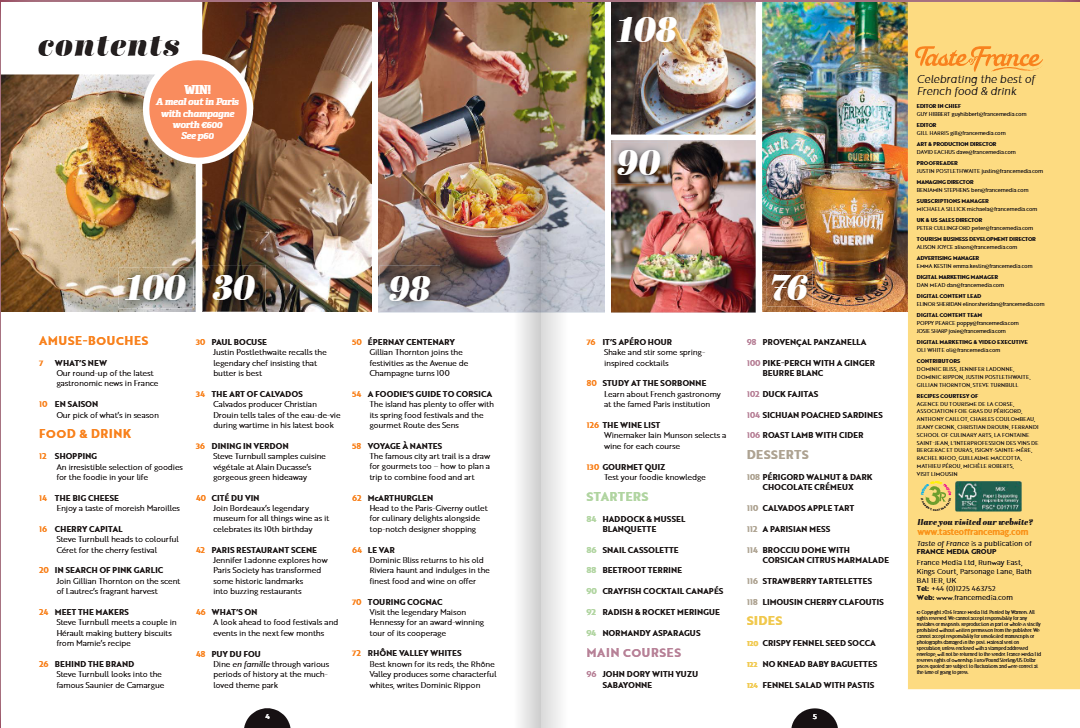
In our magazine we offer a whirlwind tour of the best gastronomic destinations. Discover La Belle France’s renowned markets, quirkiest food festivals, most indulgent restaurants and foodie experiences.
Lead photo credit : Shutterstock
Share to: Facebook Twitter LinkedIn Email
More in Does wine go bad, Storing wine, Wine, Wine storage
Related Posts