8 of the best seafood restaurants along the coastlines of France
Alexander Lobrano picks eight of his favourite seafood restaurants along the coastlines of France…
Early on a brisk October morning more than 30 years ago, just after I’d moved to Paris from London and was trying to teach myself to cook, I set out to buy a sole at the open-air market on the Boulevard Raspail in Saint-Germain-des-Prés. From the cookbooks I’d started reading, this seemed like the fish I was most likely to succeed at if I followed Julia Child’s instructions on how to cook it à la meuniere, or dredged in seasoned flour and fried in butter.
What was meant to be an expedient errand instead became a slack-jawed first discovery of a gastronomic abundance and variety I’d never experienced in my life. There were the cheeses, of course, but what did one do with all of those different types of potatoes? Wasn’t one potato just as good as the next? And the charcutier stand stopped me dead in my tracks with a fierce desire for generous slabs of the dozens of different types terrines and pâtés on offer, to say nothing of big slices of what, I went on to discover, was the best ham I’d ever eaten. But it was the fish stall that nearly knocked me out.
As a native New Englander, I thought I knew something about fish. But the French haul was quite simply spectacular. Since it was early and the market was still quiet, the nice woman at the stand showed me how to read the information that identifies where the fish on the beds of crushed ice came from, what variety they were and more. She told me France has the best seafood in the world, explaining that Gaul trawls from a greater variety of local waters than any other European country, the most important being the North Sea, the English Channel, the Atlantic, the Bay of Biscay and the Mediterranean from Port Bou to Menton, plus the waters that surround Corsica. “We have a huge fleet of artisanal fishermen who land the fish by line fishing, instead of in nets, which is where they get damaged and they follow strict seasons in terms of their harvests. Then the fish is dispatched to the markets, including Rungis, so efficiently that sometimes the fish that ends up in your dinner plate was landed that morning.”
I bought my sole and accepted the nice lady’s advice that the butter I’d be frying the fish in should be melted in a bit of light oil to prevent it from burning and then heated as close to the smoking point as possible without burning it. That night, my buttery sole with crispy golden skin was the triumph that launched my passionate obsession with the seafood of France.
This includes my hobby of visiting the fishing ports of France whenever I travel in the country. For me, there’s nothing more thrilling than watching wriggling boxes of langoustines unloaded in Loctudy in Brittany early on a misty morning or attending the criée (fish auction), in Concarneau, also in Brittany, when the tuna boats come in.
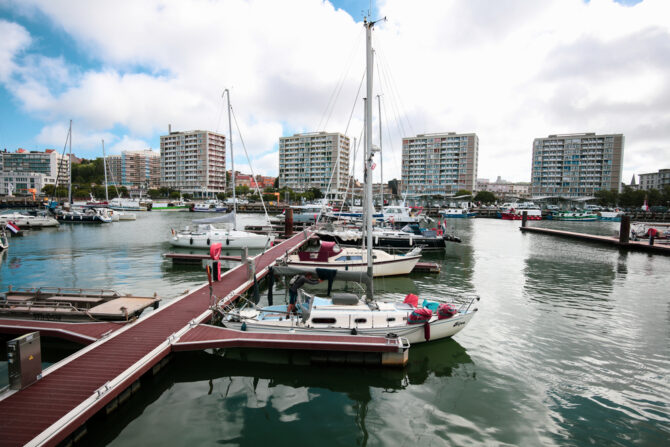
Boulogne-sur-Mer is France’s largest fishing port, with a fleet of some 150 boats landing more than 33,000 tonnes of fish in 2024. Other major French fishing ports include Calais and Dunkerque in the Pas-de-Calais; Lorient, Brest, Saint-Malo and Roscoff in Brittany; Saint-Gilles-Croix-de-Vie in the Vendée; and Sète, Le Grau du Roi and Marseille in the Mediterranean.
What I always do when I visit any port is go into a fishermen’s café, where I often find them devouring baguettes jambon, because they have enough fish in their lives, and asking them where I should eat. This was how I discovered Ekaitza and La Plage, two of my eight favourite fish restaurants, which I happily share with you.
Le Coquillage, Saint-Méloir-des-Ondes
Perched on a cliff overlooking the sweeping azure waters of the Bay of Mont Saint-Michel, the Château Richeux is one of the most romantic hotels in France. A sturdy brick Anglo-Norman building built in 1925, it was bought by chef Olivier Roellinger and his wife, Jane, in 1992. They assiduously renovated it, adding a restaurant called Le Coquillage, which was intended to offer simpler dining than Roellinger was then serving at his Michelin three-star restaurant La Maison de Bricourt.
Today, Roellinger’s son, Hugo, holds three stars at Le Coquillage for consistently executing some of the most beautiful and imaginative seafood dishes in France. What surprises me every time I come here, though, is the almost monastic simplicity of his cooking. This is because he resolutely eschews culinary complication and ardently follows the seasons as a committed locavore. Two dishes that speak volumes about the sincerity and earnestness of his cooking include langoustines in a morel tartelette – a sublime contrast of products from the sea and the earth and chimney smoked and seaweed steamed lobster with several ethereal sauces that veil the sweet flesh of this crustacean rather than overwhelming it.
Le Coquillage is one of the world’s great restaurants and a meal here is a splurge that’s worth every centime.
Le Buot, Saint-Méloir-des-Ondes, Tel. (33) 02 99 89 64 76.
Prix-fixe menus €195, €255.
Le Petit Nice Passedat, Marseille
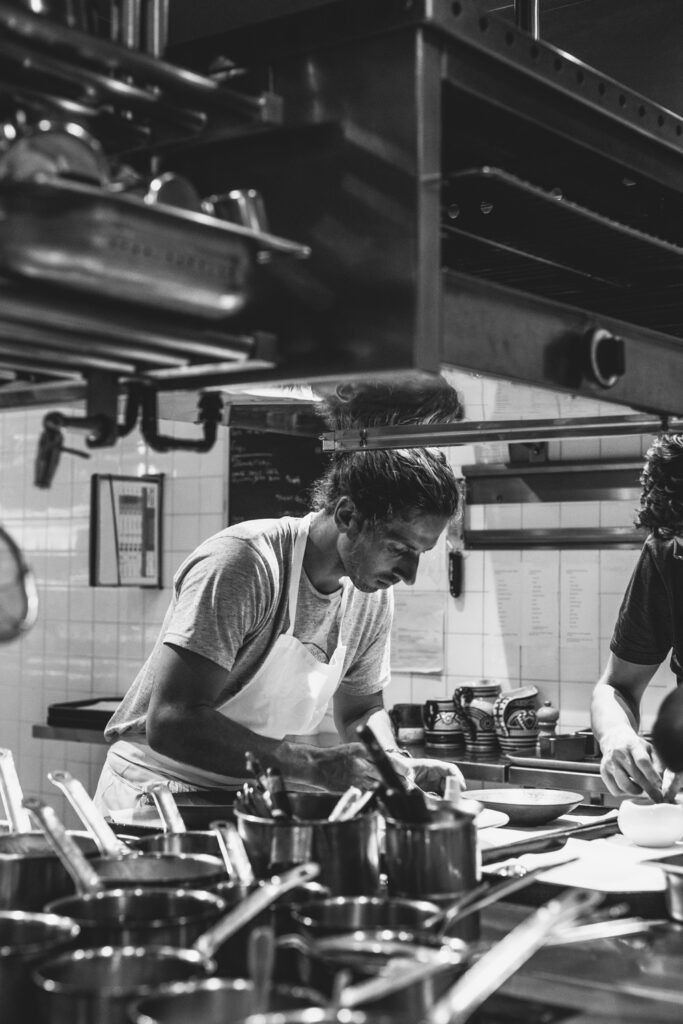
Since it was originally founded by his grandparents in 1917, chef Gérald Passedat has made this dramatically-sited seaside hotel-restaurant with spectacular views over the Mediterranean into one of the best seafood restaurants in the world. He took over the kitchen here in 1985 and he’s supplied daily by small-boat fisherman who work exclusively for him. “The best seafood cooking is the simplest,” he says, which means that he works to enhance rather than transform the natural tastes of the seafood he serves, including sea bream carpaccio with caviar and bottarga, sea anemone beignets with seaweed sauce and the signature dish named for his beloved grandmother, Lucie – sea bass in an herb bouillon with chopped tomatoes. The chef’s Ma Bouille Abaisse menu presents his version of Marseille’s most famous dish and is a very worthwhile extravagance at €390; due to its popularity it must be booked in advance.
12 rue des Braves, Tel. (33) 04-91-59-25-92.
Prix-fixe menus €145, €195, €230, €310, €350, €490.
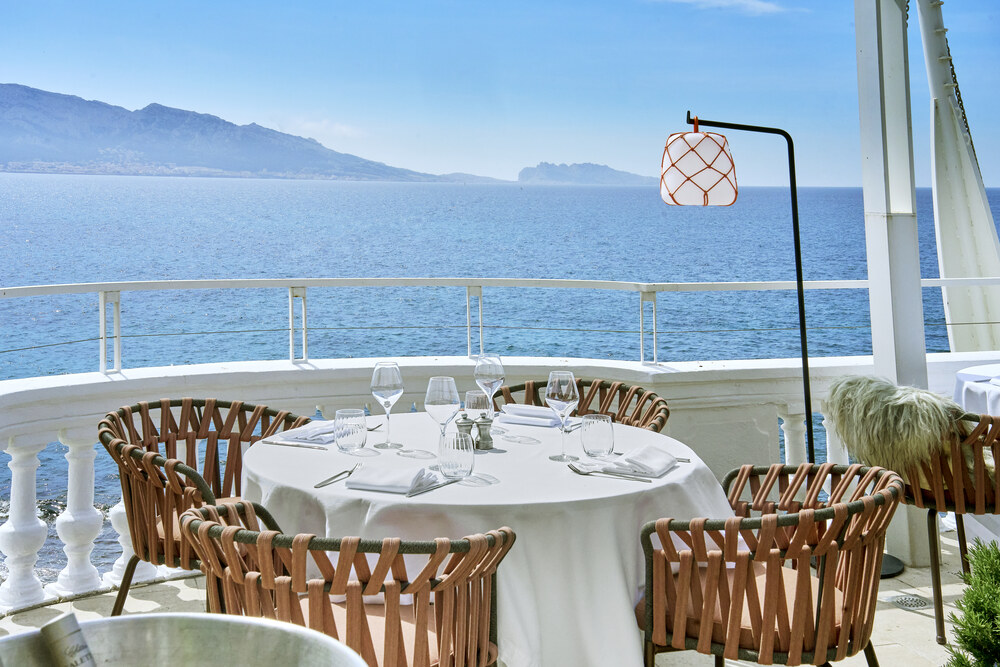
Ekaitza, Ciboure
Though the volume of fish landed in the twin Basque Country ports of Ciboure and Saint-Jean-de-Luz is relatively small, the quality of the catch from the Bay of Biscay is absolutely superb. This is why chef Guillaume Roget chose to open his intimate restaurant here, in a place where he has daily contact with the fishermen returning to port and the turbulent sea itself (ekaitza means storm in Basque).
A former sommelier, Roget works with a steely exigence to create dishes that are composed of intriguing contrasts of flavours, textures, scents and ingredients. “My knowledge of wine guides me in the kitchen,” says the chef, who has won two Michelin stars for the powerful subtlety of his cooking and the stunning wine pairings he proposes. His menu changes constantly but a food writer friend and I were awed by a starter of yellow pollack prepared two ways – a thick filet caramelised with a sauce Maltaise (bitter oranges) and the belly smoked over smouldering savory with licquorice-flavoured apple and tea. The ruminant complexity of this dish honestly warranted deep contemplation, since every fork full resonated differently. Similarly, a main course of monkfish with first of season baby peas and geranium oil and a sauce matelote (fish velouté, fish fumet, shallots, mushrooms and butter) for being simultaneously so chaste in the pure flavours of its produce and then wantonly sensual with its garnishes.
15 Quai Maurice Ravel, Ciboure, Tel. (33) 05 59 51 29 51.
Prix-fixe menus €65, €95, €110, €130.
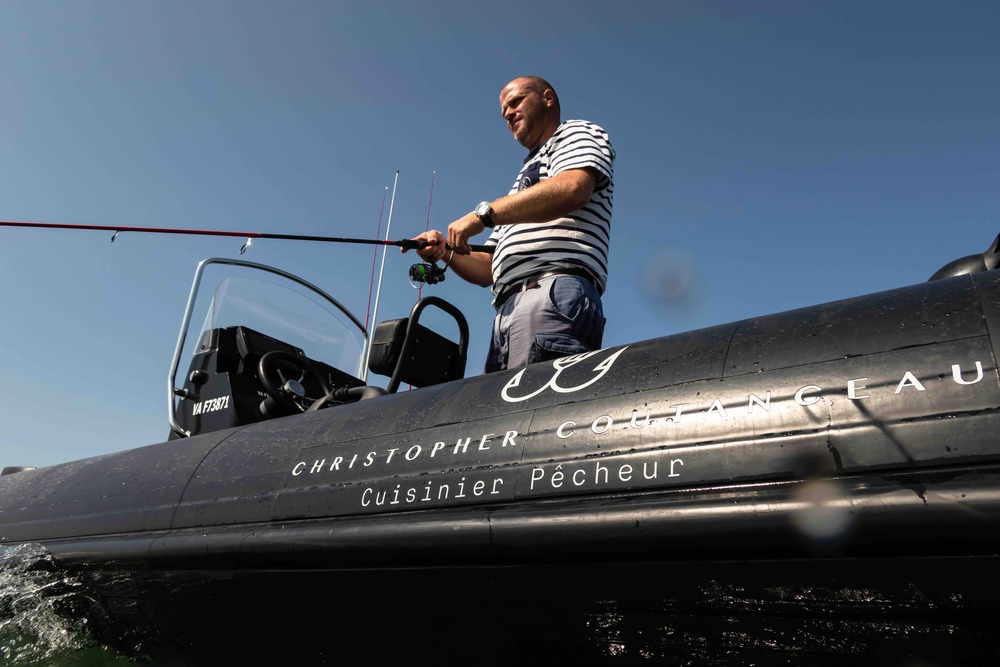
Christopher Coutanceau, La Rochelle
Chef Christopher Coutanceau is both a cook and a fisherman, with a such a deep commitment to sustainable fishing and responsible stewardship of the sea that he not only holds three Michelin stars at his eponymous restaurant, but a green one, which recognises his environmentalism.
“The sea is a space of rigour and freedom,” says Coutanceau, quoting the novelist Victor Hugo. “And too few people understand that its power exists in rapport with its fragility. We must respect it and protect it.”
Coutanceau has been doing this ever since he took over the family restaurant, originally opened at the Plage de la Concurrence in La Rochelle in 1984, from his parents, the chef Richard Coutanceau and his wife, Maryse. Coutanceau Père had already won two Michelin stars before his son came into the kitchen and won a third in 2020. Today, he runs his eponymous three-star restaurant, along with a simpler seafood bistro, La Yole de Chris and a hotel, La Villa Grand Voile.
While La Yole de Chris is perfect for casual dining (try the fish soup and the grilled yellow pollack), the elegant dining room of Restaurant Christopher Coutanceau is the place to sample stunningly subtle dishes like sea crab with artichokes and sea lavender, a starter, and John Dory with white asparagus and ramps.
Coutanceau is also known for his lobster civet with baby vegetables and mushroom-filled ravioli.
Place de la Concurrence, La Rochelle, Tel. (33) 05 46 41 48 19.
Average à la carte €300, prix-fixe menus €260 and €310.
www.christophercountanceau.com
La Plage, Audresselles
Just 20 minutes south of Calais, this charming little hotel on the Côte d’Opale will instantly remind you why you decided to spend your holiday in France. With gorgeous sea views, friendly staff, comfortable rooms and an excellent restaurant, it’s the perfect good-value halt before or after travelling through the Channel Tunnel.
Chef Solène Elliott follows in the footsteps of her Michelin-starred uncle William Elliott, of the palmy Hotel Westminster in Le Touquet, with an impressive culinary talent that sublimates the superb produce of this very beautiful part of France. Her catch-of-the-day arrives within hours of landing in Boulogne-sur-Mer and her seasonal vegetables come from small neighbouring farms.
The menu follows the chef’s inspirations, catch-of-the-day and the season, but outstanding dishes from my most recent visit included smoked mackerel with beetroot, red cabbage and zaatar cream; radish carpaccio with smoked yogurt, anchovies, dill and hazelnuts; and cod with asparagus tips, fresh goat’s cheese and baby broccoli. Desserts are excellent as well, including black chocolate cream with whisky cake and cashews.
21 rue Gustave-Danquin, Audresselles, Tel. (33) 07 57 67 96 18.
Average price €60.
www.hoteldelaplage-audresselles.com
Le Vivier, Le Grau du Roi
For me, some restaurants end up becoming old friends, because I enjoy them so much I go back over and over again and befriend the chef or proprietors. This is what’s happened with this small, excellent seafood restaurant in the pretty little seaside town of Le Grau-du-Roi, the second largest French fishing port on the Mediterranean.
Le Vivier is tucked away in the old town and the first time I went there I had an outstanding prix-fixe lunch of locally-caught shrimp cooked in a crust of salt and rouille graulenne, a succulent casserole of stewed octopus and potatoes served with lashings of aioli (garlic mayonnaise), that’s a local speciality. I enjoyed this very good value meal with a glass of white Picpoul de Pinet, a Languedoc white that comes from a rolling parcel of 3000 acres of vines on the northern edge of the Étang de Thau.
I’ve since been back to this restaurant dozens of times, because of the warmth and charm of the proprietors and the fact that their catch of the day menu is so reliably excellent. If they’re available, don’t miss the wild oysters from the neighbouring Camargue region and a whole just-landed fish like pagre, a Mediterranean white fish with a succulent flesh and a delicate taste.
Le Vivier, 7 Rue du Commandant Marceau, Le Grau-du-Roi, Tel. (33) 04 66 53 23 36.
Average à la carte €45.
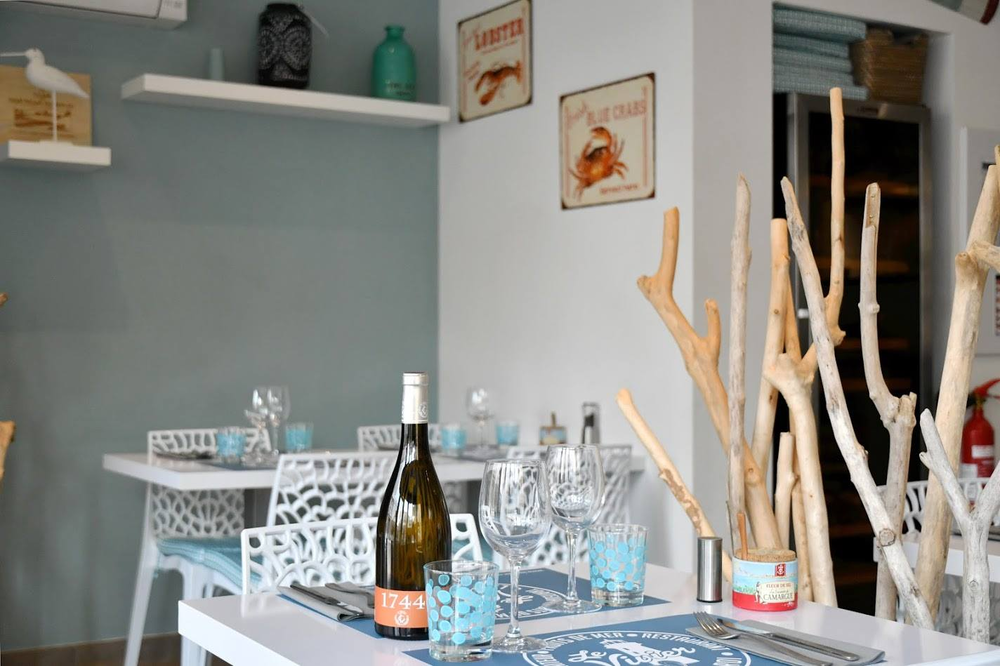
Le Bistrot du Port, Golfe-Juan
I owe this wonderful address to Antonio, a concierge at the storied Hotel du Cap-Eden-Roc on the Cap d’Antibes. Since I was unwilling to subject myself to another meal at the Cap d’Antibes’ most famous fish restaurant, a haughty and grotesquely expensive see-and-be-seen place that oddly bears the name of what is probably the single most popular variety of charcuterie in the western world, I spoke to this very nice man about my predicament.
This how my very wealthy childhood friend from Monaco and I ended up at this lovely restaurant for dinner for the first time four years ago. Truth be told, I think she was disappointed not to be making an appearance at the fancy table, because she’d been looking forward to showing off her latest Hermès Birkin bag, this one a coral red colour, but she relaxed a bit when she spotted several members of the Belgian royal family at a corner table. Both of us were delighted by chef Mathieu Allinei’s menu as well and the setting overlooking the old port of Golfe-Juan was pleasant, too – weather permitting, they serve several tables on a terrace overlooking the water.
We sat inside on a rainy night and the well-mannered formality of the service was welcome, too. “So many London restaurants are so deafeningly loud that I only go to places where I know I can be heard without shouting,” my friend told me.
After one taste of the terracotta-coloured soup served with a small pot of rouille, she announced that she was “aux anges” (with the angels) because it was so good.
My octopus in beef bouillon with sea-fennel pistou was a spectacular meeting of the earth and the sea, and the octopus was impeccably tender. The John Dory we shared was poached in a rich dashi bouillon and served with asparagus sauced with miso was an intriguingly successful dish and revealed the reason Chef Allinei has gained such an enthusiastic following of regulars; he understands that while simplicity may be the North Star of seafood cookery, this doesn’t mean cooking that’s plain or monotonous. Au contraire, his seafood dishes have an almost Byronic energy, while desserts here are excellent as well, including sugar-dusted bugnes (Provençal beignets) with homemade jams.
Le Bistrot du Port, 53 avenue des Frères Roustan, Golfe-Juan, Tel. (33) 04 93 63 70 64.
Average à la carte €80, prix-fixe menus €38 and €105.
Aux Pesked, Saint-Brieuc
Located in a contemporary style house offering beautiful views over the Gouët river, this Michelin starred table offers outstanding value for money and one of the freshest offers of pesked (fish, in Breton) in France. Saint-Brieuc and its environs are especially renowned for the scallops dredged from their cold waters and in season, they turn up on the menu in a variety of guises, from a succulent tartare with fresh herbs to flash-grilled and sauced with seaweed butter.
Chef Mathieu Aumont scrupulously follows the season – yes, there are seasons in terms of seafood the same way there are seasons for vegetables – and has a particular gift for sublimating the natural flavours of the produce, perfect examples being his sea-crab-stuffed ravioli in a perfumed bouillon, and a dish of mixed shellfish with a sea-vegetable-spiked beurre blanc. Hand-harvested wild Breton abalone are another delicacy to look out for during their fishing season, which runs from September 1 to June 14. To tenderise them, they’re aged for 72 hours after harvesting and they’re usually cooked quickly (to prevent their tender flesh from seizing up) and garnished with nothing more elaborate than some melted salt butter and maybe a scattering of fresh herbs.
On a recent visit, a highlight of our meal was the catch-of-the-day, a John Dory filet with buckwheat and sesame garnished asparagus and a jus of mushrooms and ramps, a lovely fresh springtime preparation. Chef Aumont’s caramel dessert is one of my all-time favourites and his wife Sophie runs an excellent wine list of mostly organic, natural and Demeter wines.
59 rue du Légué, Saint-Brieuc, Tel. (33) 02 96 33 34 65.
Prix-fixe menus €60, €90, €135.
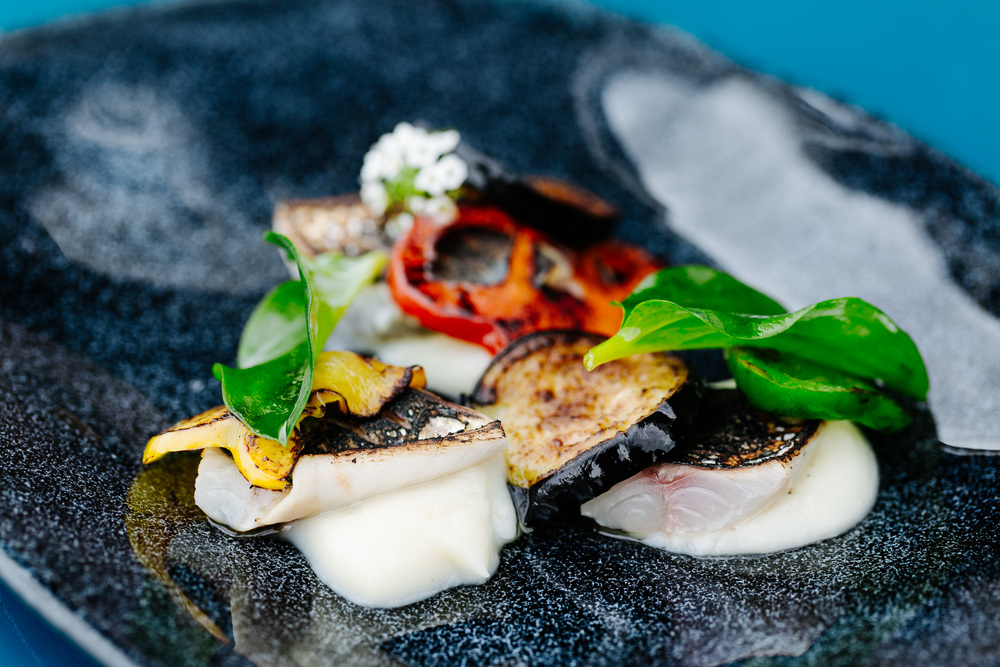
Looking for more French food and drink content?
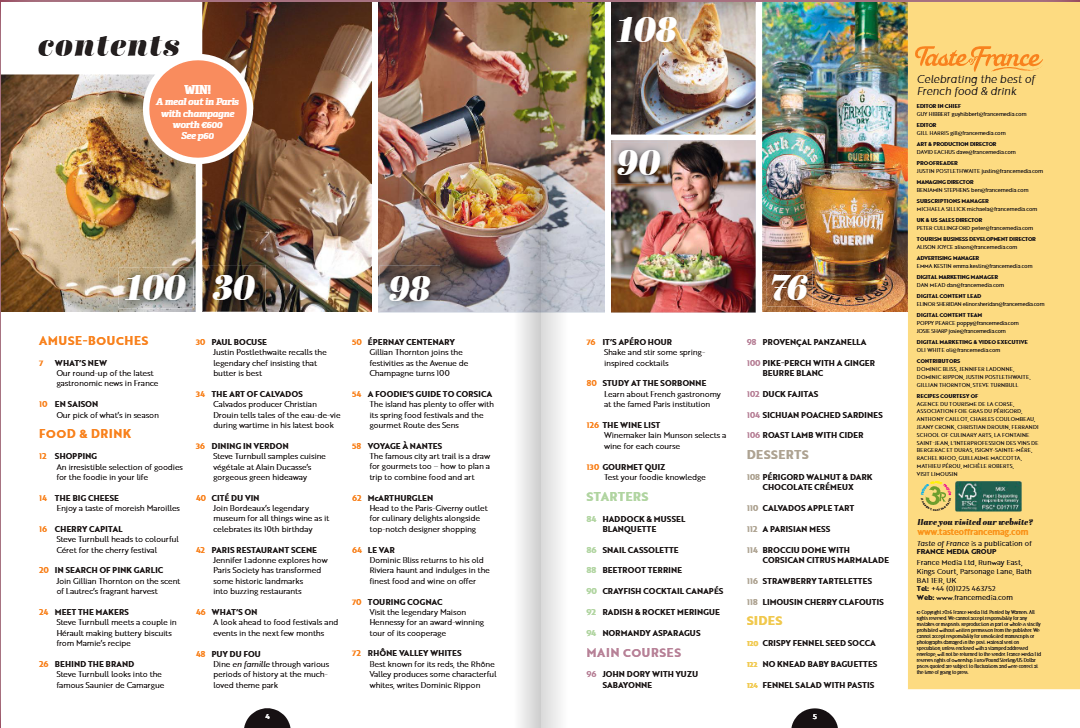
In our magazine we offer a whirlwind tour of the best gastronomic destinations. Discover La Belle France’s renowned markets, quirkiest food festivals, most indulgent restaurants and foodie experiences.
Lead photo credit : Boulogne-sur-Mer is France’s largest fishing port ©P.Ledez-OTBCO
Share to: Facebook Twitter LinkedIn Email
More in Provence, Restaurants, Seafood
Related Posts