The Culinary Traditions of Corsica
Beyond its dazzling scenery, Corsica offers a rich culinary tradition shaped by mountains, sea and pasture – best discovered through the Route des Sens and the island’s lively spring food festivals…
Corsica is celebrated for its rugged mountains, dazzling coastline and wild interior scented with the herbs of the maquis. Yet for travellers with an appetite, the island offers something even more compelling: a gastronomy deeply rooted in landscape, tradition and season. From artisan charcuterie and farmhouse cheeses to ancient vineyards and bustling village fairs, the island’s culinary culture is diverse and delicious. And with a cluster of food festivals arriving each spring, there is no better time to plan a gastronomic escape to the Île de Beauté.
Corsican cooking is rooted in terroir. Despite its relatively small size, the island boasts extraordinary ecological diversity, from high mountain pastures to fertile coastal plains and sheltered valleys. This variety produces a wealth of ingredients that shape the island’s cuisine. Lamb grazes on aromatic scrubland, olive groves flourish on sunlit hillsides, chestnut forests blanket the mountains, and the surrounding Mediterranean provides an abundance of seafood.
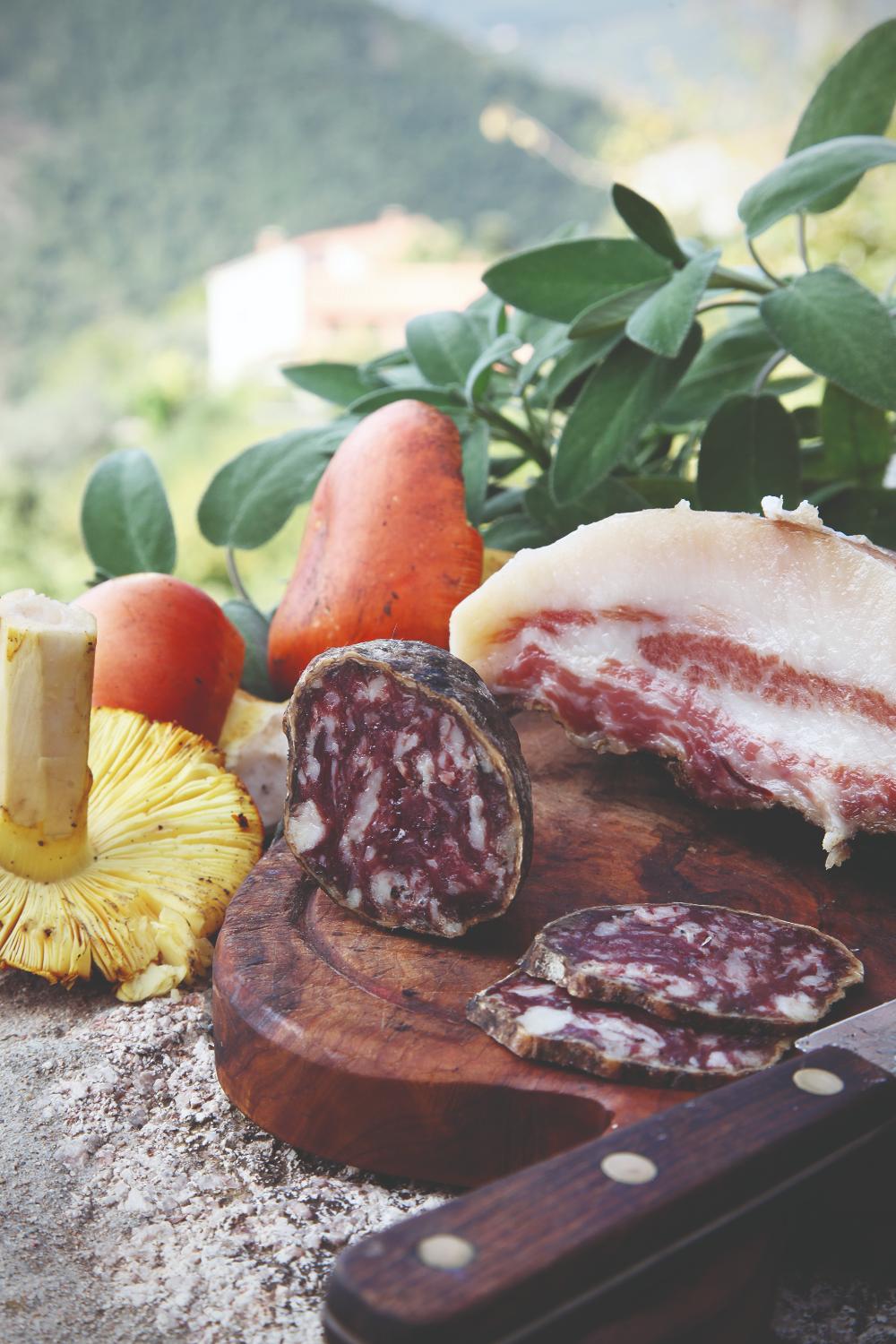
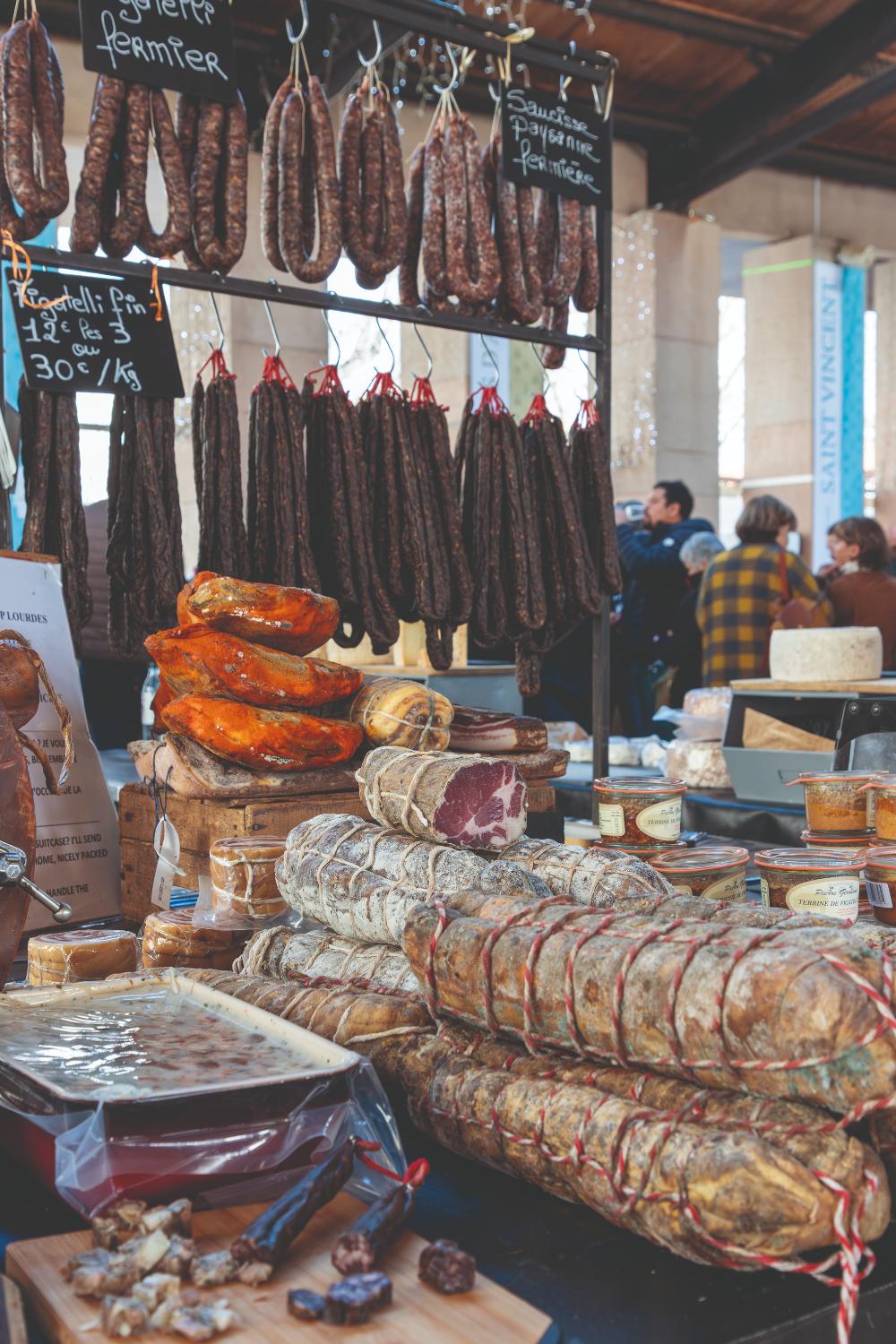
At the heart of Corsican gastronomy lies its charcuterie, among the most prized in France. Produced from the island’s native Nustrale pigs, these cured meats are famous for their depth of flavour. The animals roam semi-wild in oak and chestnut forests, feeding on acorns and chestnuts that lend the meat its distinctive richness. Among the most celebrated are lonzu, a cured pork loin; coppa, marbled neck meat; figatellu, a smoky liver sausage traditionally grilled over open flames; and the air-dried ham known as prisuttu.
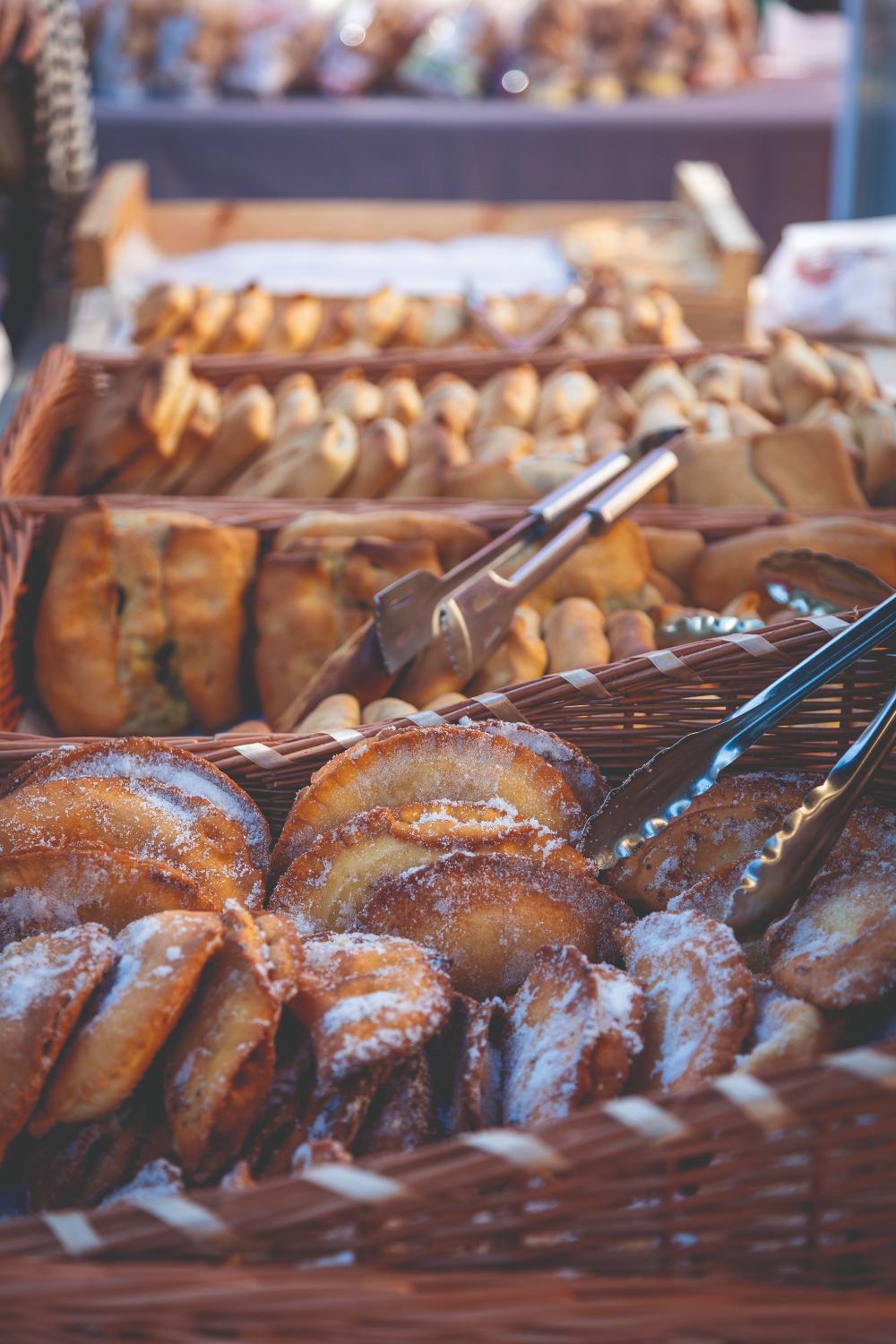
Cheese is equally central to Corsican food culture. The island’s pastoral landscapes allow for thriving sheep and goat farming, producing a remarkable array of cheeses. Foremost among them is Brocciu AOP, Corsica’s most iconic cheese. Made from sheep’s or goat’s whey, this fresh, delicate cheese has a light texture and subtly milky flavour. It appears everywhere in Corsican cooking, from savoury dishes to sweet treats. Locals eat it simply with bread, stir it into omelettes or fold it into traditional pastries such as fiadone. It also forms the basis of many fritters and beignets sold at markets and village fairs.
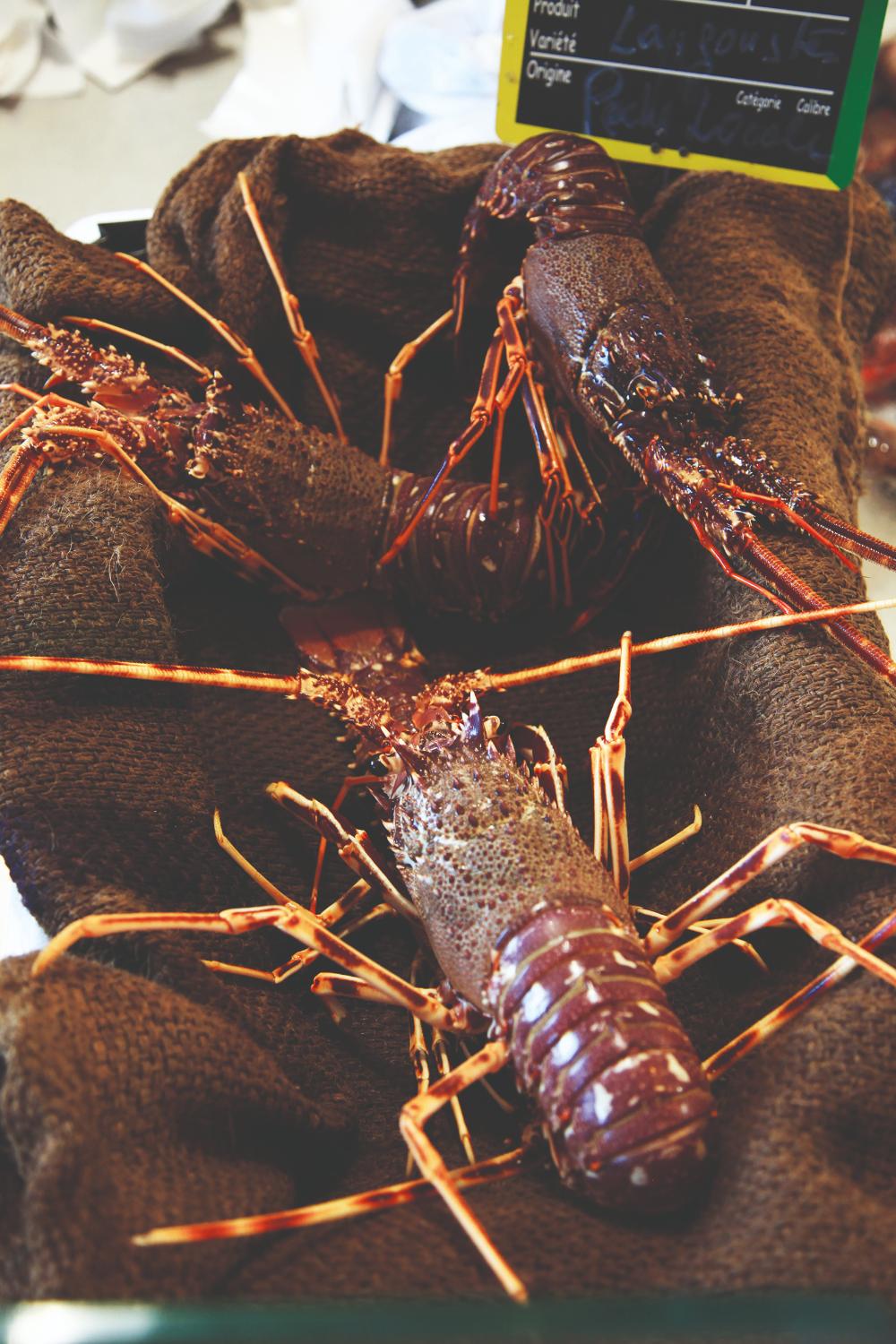
Seafood, naturally, plays an important role in the island’s culinary repertoire. Fishing boats land their catch in harbours across Corsica, supplying restaurants and markets with lobster, sea bream, mussels and octopus fresh from the Mediterranean. One local delicacy that intrigues visitors is bottarga, sometimes called Mediterranean caviar. Made from cured fish roe, it delivers a concentrated, savoury flavour that works beautifully shaved over pasta or salads.
And then of course, there’s the rich larder of local produce, such as honey, olive oil, citrus fruits, figs and hazelnuts, all of which play important roles in traditional cooking. Chestnuts, once a staple food for mountain communities, remain particularly significant. Ground into flour, they’re used in breads, cakes and pulenda, a dense chestnut polenta often served with cheese or cured meat.
Wine is another pillar of the island’s culinary identity. Viticulture in Corsica dates back more than 2,000 years, and today the island produces wines of remarkable character. The vineyards, influenced by maritime breezes and diverse microclimates, give rise to distinctive grape varieties. Vermentinu is the island’s most celebrated white grape, producing fresh, aromatic wines with notes of citrus and herbs. Niellucciu dominates many red wines, particularly those from the renowned Patrimonio appellation in the north. Further south, Sciaccarellu produces lighter, fragrant reds that pair beautifully with Mediterranean cuisine.
For travellers keen to experience these flavours first-hand, the Route des Sens offers an excellent starting point. Created by the Gusti di Corsica network of producers, this gastronomic trail links farms, vineyards, cheesemakers and artisan food producers across the island. The route is not a single road but a collection of stops that visitors can follow at their own pace, using the Gusti di Corsica maps to locate producers and plan itineraries. It’s a chance to meet producers and artisans committed to promoting Corsican products and traditional know-how. These include charcuterie makers raising Nustrale pigs, shepherds producing ewe’s and goat’s milk cheeses, olive growers pressing their own oils, beekeepers harvesting maquis honey and winemakers cultivating the island’s indigenous grape varieties.
Rather than simply tasting finished products in a shop, the Route des Sens allows visitors to see how they are made. One stop might lead to a small mountain dairy where Brocciu is prepared from fresh whey; another to a charcuterie workshop where lonzu and coppa hang to cure. Elsewhere, visitors can explore vineyards overlooking the Mediterranean, olive groves where oil is pressed on site, or farms producing chestnut flour, jams and liqueurs. Many of the producers welcome visitors for tastings, guided visits or direct sales. Some also organise workshops or seasonal events linked to harvests and traditional food production. Travelling between these sites offers a glimpse into rural Corsican life and the agricultural traditions that shape the island’s cuisine.
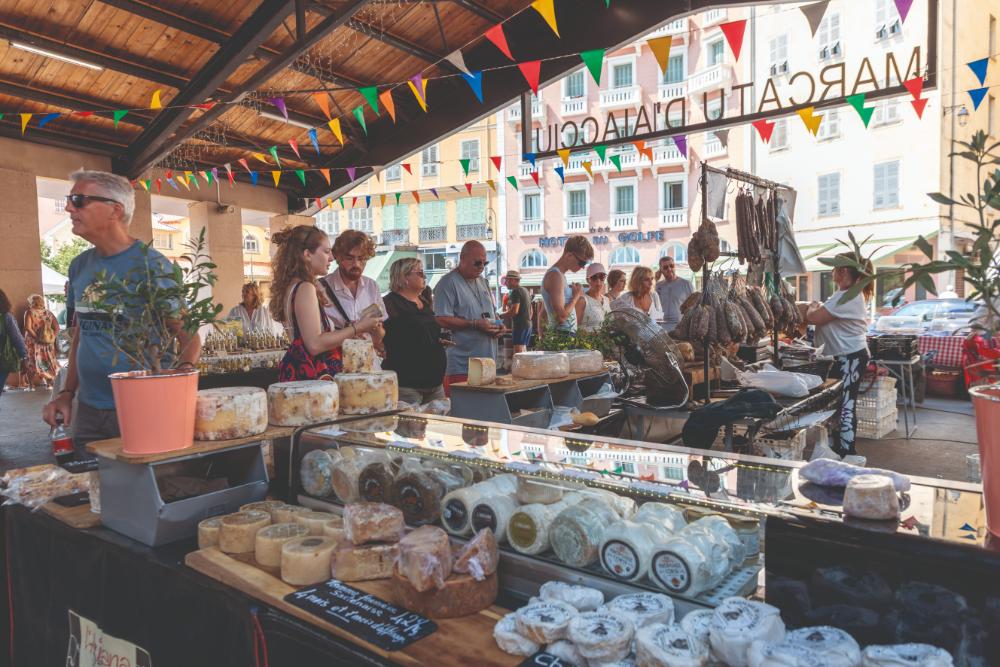
Visiting one of the weekly markets held in towns such as Ajaccio, Bastia and Calvi is another fantastic way to experience a taste of Corsican life. Buy delicious products such as honey, cheese, charcuterie and preserves direct from the producers and soak up the hustle and bustle of everyday island living.
Timing a trip to coincide with one of Corsica’s food festivals is the perfect plan for gastronomically-minded travellers, and spring, in particular, brings several events that celebrate the island’s culinary heritage. One of the most anticipated is Festi Bocca, a food festival which this year takes place on April 25-26 in Bonifacio. Set against the dramatic limestone cliffs of this southern port town, the festival brings together chefs, producers and artisans from across the island.
Cooking demonstrations, tastings and workshops showcase everything from seafood and charcuterie to olive oil and Corsican wines. Visitors can watch chefs prepare traditional recipes, sample local delicacies and discover the stories behind the ingredients. The setting alone makes Festi Bocca memorable. Bonifacio’s narrow streets and historic citadel provide a spectacular backdrop for the celebration, while stalls and tasting tables spill into sunlit squares overlooking the sea. For food lovers, it offers a lively introduction to Corsican gastronomy and a chance to meet the island’s culinary talent.
Just a few days later, another beloved tradition arrives with the Corsican Cheese Fair (Fiera di u Casgiu), held from May 1-3 in the mountain village of Venaco. One of the island’s most important agricultural gatherings, the fair celebrates Corsica’s long pastoral traditions. Farmers and cheesemakers from across Corsica – many of them shepherd-producers – present their cheeses, from fresh Brocciu to aged tommes.
The beauty of spring
Visitors can watch demonstrations of traditional cheese-making, taste regional specialities and learn more about the island’s mountain pastoral culture, including the role of seasonal grazing and sheep and goat farming. Traditional music and singing accompany the festivities, giving the event a distinctly Corsican atmosphere.
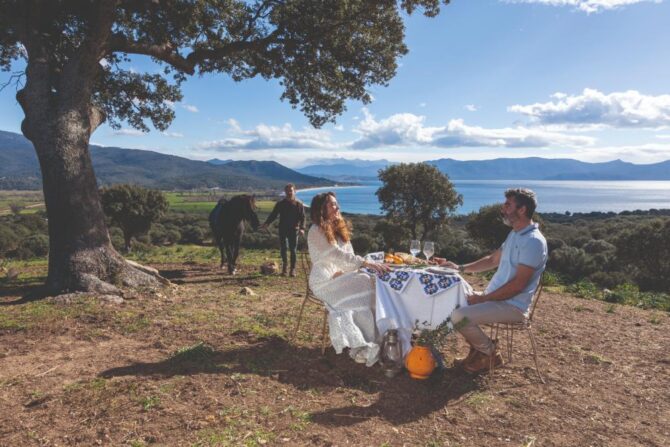
Travelling around Corsica during spring also means enjoying the island at one of its most beautiful moments. Wildflowers carpet the hillsides, temperatures remain pleasantly mild, and villages begin to buzz with activity after the quiet winter months. Restaurants reopen their terraces, markets overflow with seasonal produce, and the first festival crowds bring a celebratory energy to towns across the island. For food-focused travellers, the experience extends far beyond formal events. A simple lunch in a village restaurant might include grilled lamb scented with herbs from the maquis, or a plate of beans cooked with smoky figatellu sausage. On the coast, menus feature freshly caught fish paired with crisp local white wine. Inland, rustic dishes celebrate mountain ingredients such as chestnuts, wild boar and farmhouse cheeses.
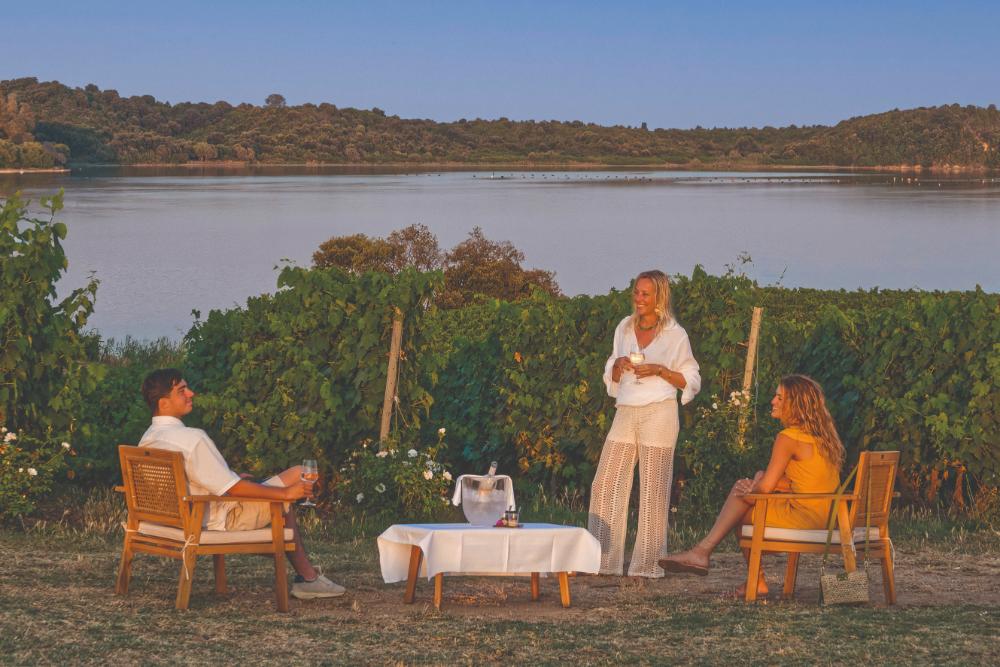
Small family-run auberges often serve dishes that have changed little over generations. Markets reveal ingredients rarely found elsewhere, from fragrant Corsican honey to handmade pastries filled with Brocciu. Even a casual picnic assembled from local produce becomes a meal to remember when enjoyed. beside a mountain stream or overlooking the sea. Whatever you choose, you won’t be disappointed. For those willing to venture beyond the beach and explore the island’s villages, farms and vineyards, Corsica offers a rich culinary experience. Add in the festivals and the Route des Sens and there’s never been a better time to discover the Île de Beauté through its cuisine.
Looking for more French food and drink content?
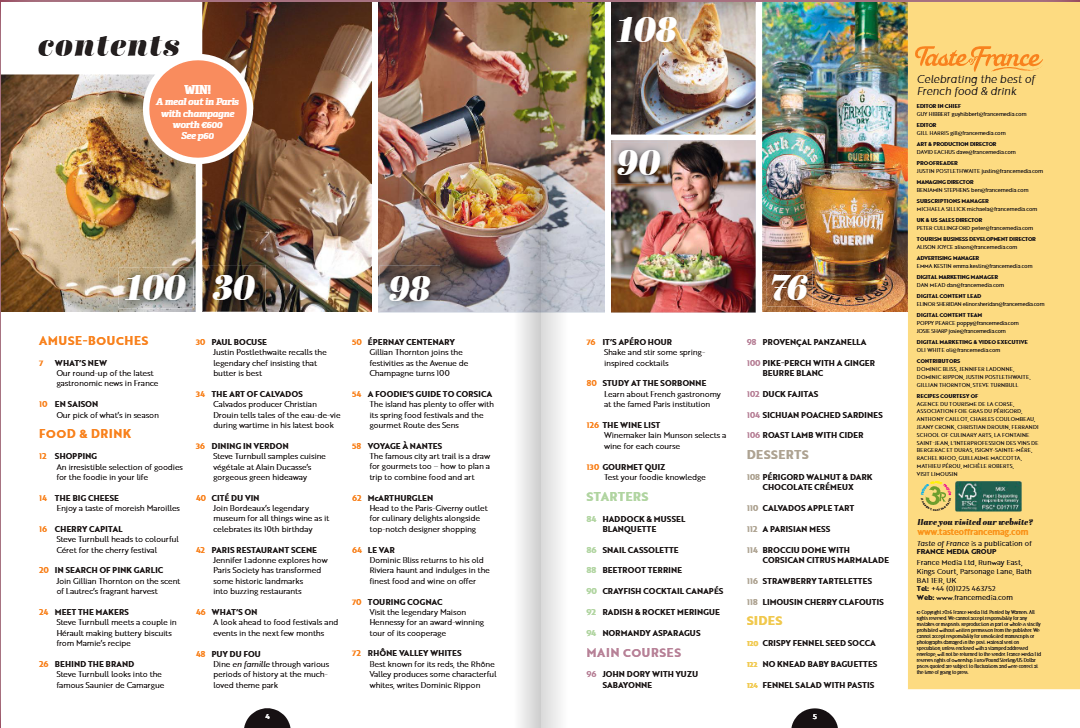
In our magazine we offer a whirlwind tour of the best gastronomic destinations. Discover La Belle France’s renowned markets, quirkiest food festivals, most indulgent restaurants and foodie experiences.
Share to: Facebook Twitter LinkedIn Email
More in Corsica, Corsican food, French cuisine
Related Posts