Inside Paris Gastronomy Studies at the Sorbonne
Sponsored
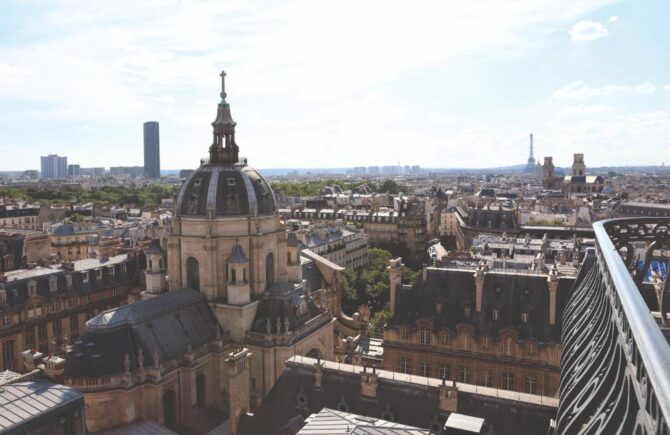
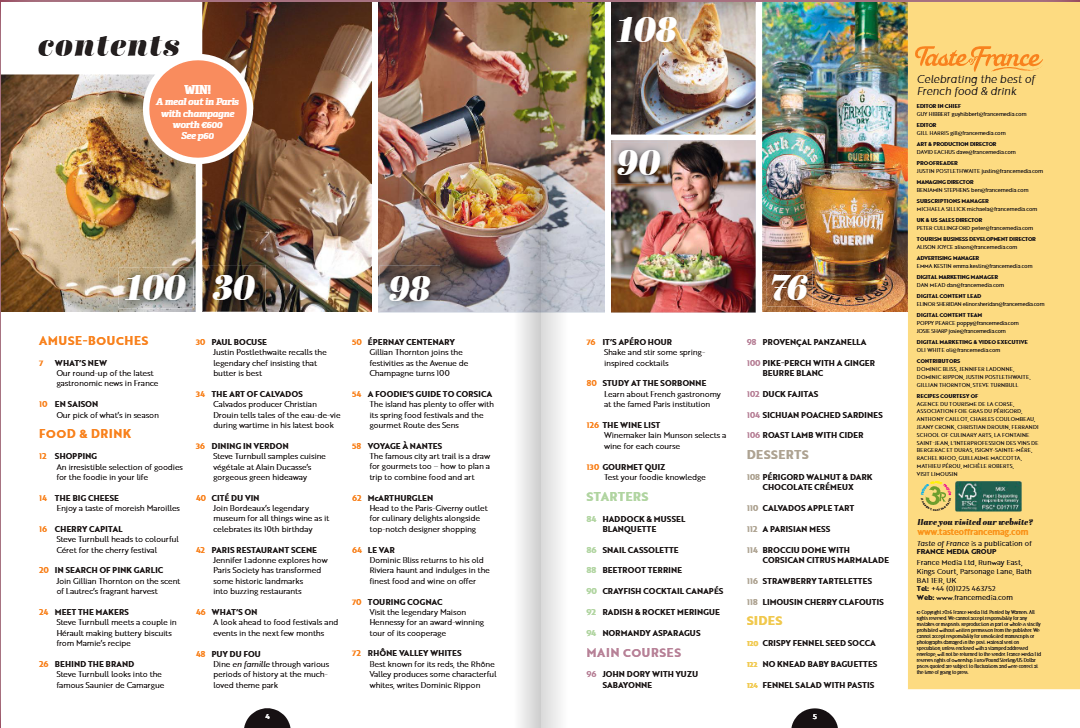
Head to the iconic Sorbonne in Paris and study French gastronomy at its international summer university, where food is explored through culture, history and philosophy…
There are few places where learning feels quite so steeped in history as the Sorbonne. For centuries, its lecture halls have shaped ideas, arguments and intellectual movements – and this summer, they will also play host to something rather more delicious. The Sorbonne Summer University offers a rare chance to explore French gastronomy not in a professional kitchen, but in the elevated surroundings of one of Europe’s most storied academic institutions.
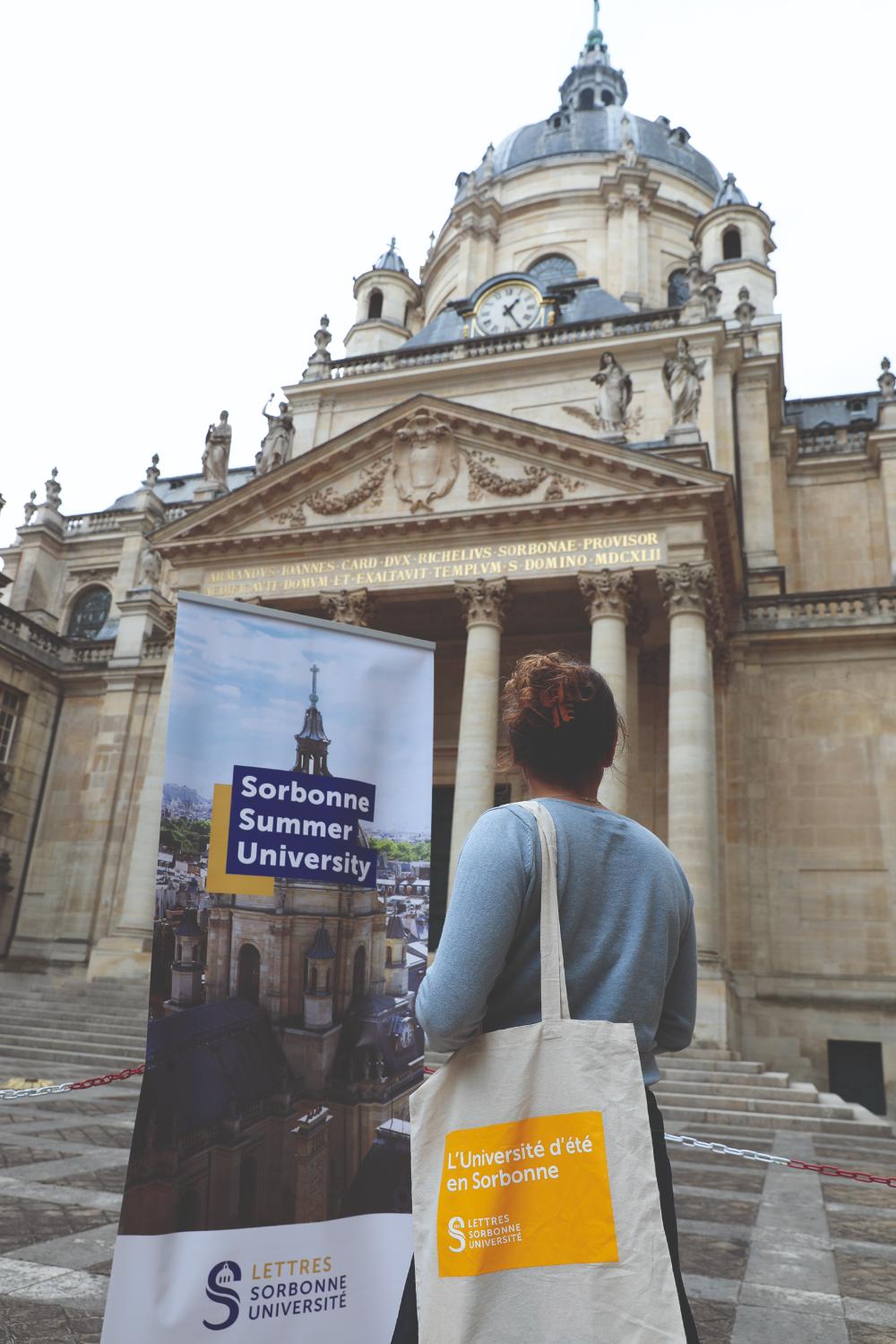
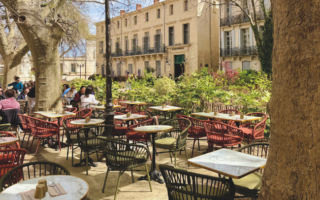
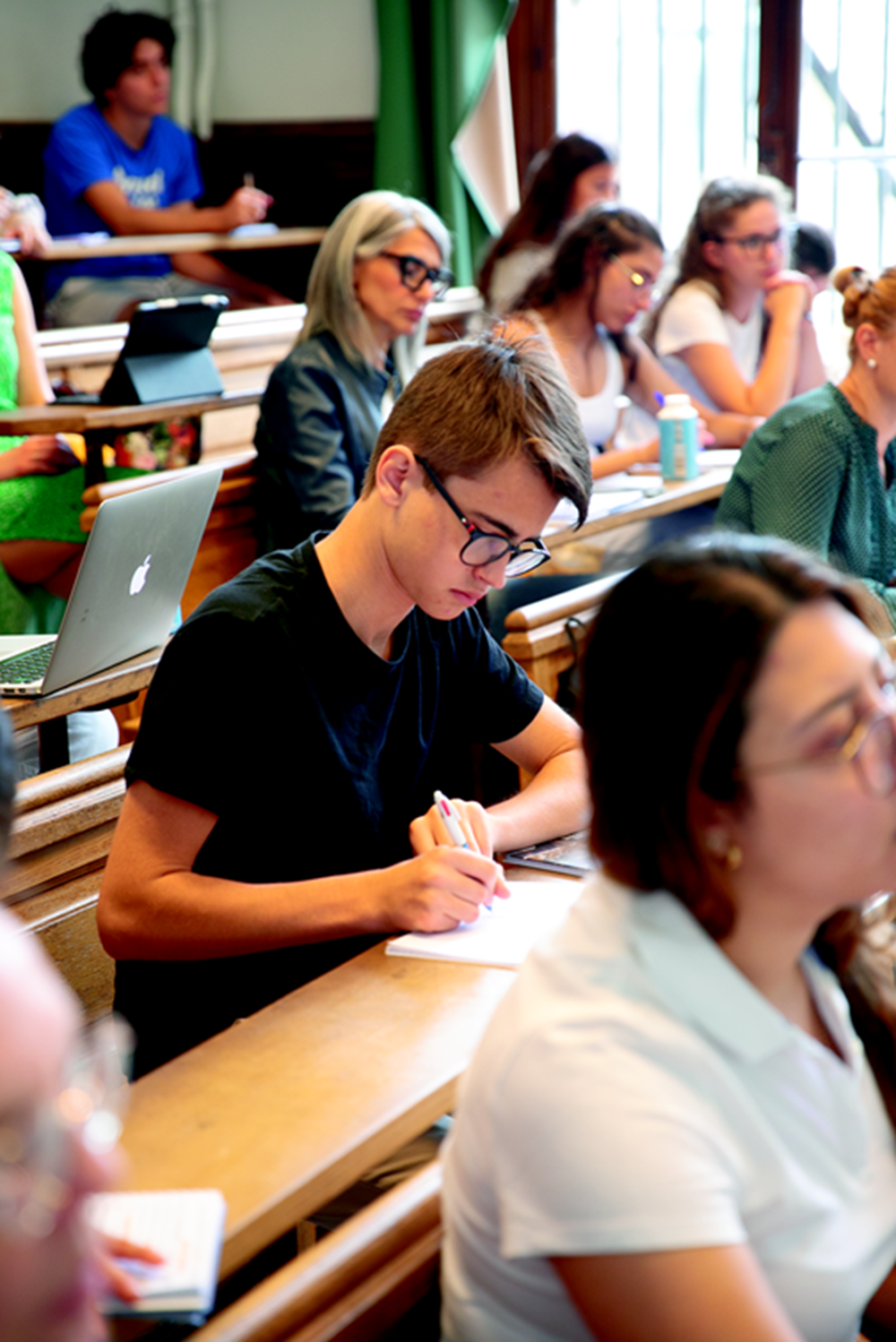
Set in the heart of Paris’ Latin Quarter, the programme unfolds in the Sorbonne’s historic buildings, where carved stone, high ceilings and echoing amphitheatres lend even the most practical subjects a certain gravitas. Step outside between sessions and you are immediately among the bookshops, cafés and narrow streets that have long sustained the city’s student life.
A taste of Sorbonne life
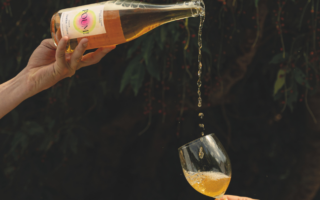
The gastronomy sessions run across two one-week blocks, from June 29 to July 3 and July 6 to 10, each morning from 9.30am to 12.30pm. Rather than teaching technique, these classes examine food through a cultural, historical and intellectual lens. Topics range from the history of French cuisine and the codified rituals of dining, to more contemporary questions such as vegan gastronomy and the relationship between food and public health. Wine, inevitably, features too, approached as both a cultural artefact and a diplomatic tool.
Teaching is led by university professors and subject specialists. You are as likely to discuss the political symbolism of a state banquet as the evolution of a regional dish. For anyone interested in food writing or simply keen to deepen their understanding, it is an opportunity to place gastronomy within a broader intellectual context. The gastronomy course sits within a wider summer programme of 23 multidisciplinary courses, covering subjects from fashion and literature to climate change, artificial intelligence and Parisian monuments. All courses include 15 hours of teaching delivered over two weeks, with three-hour sessions from Monday to Friday. Most – including the gastronomy course – are taught in French, with a small number available in English, and participants are free to combine courses, taking one in the morning and another in the afternoon for a more intensive experience.

Alongside these, the Sorbonne also runs dedicated French language courses, designed for international participants who want to improve their fluency. These are more immersive, with four to six hours of daily teaching depending on level, again over a two-week period. The result is a flexible programme that can be tailored: language study paired with gastronomy, or a single course mixed with long Parisian afternoons. What makes the Summer University particularly compelling is its openness. There are no formal entry requirements beyond a willingness to learn; participants must be aged 16 or over, but beyond that the cohort is strikingly varied. In 2025, students represented 60 nationalities and ranged in age from teenagers to octogenarians. The atmosphere is therefore less competitive than collegiate, with discussions enriched by a wide range of perspectives and experiences.

Courses are non-degree and deliberately low-pressure. There are no exams, and all participants receive a certificate of attendance at the end of their studies. This allows the focus to remain where it should be: on the pleasure of learning for its own sake. Meanwhile, relaxing evenings, open-air events and the simple pleasure of strolling the historic streets or lingering over coffee at a café terrace are all part of the experience.
Registration is completed online via the university’s ticketing platform, and early bird fees are available until April 30, with standard rates after that. Full information on course content, schedules and tuition is available on the Sorbonne Summer University website. To study gastronomy at the Sorbonne is not to learn how to cook, but how to think about cooking – its history, its meanings and its place within French culture.
lettres.sorbonne-universite.fr/en/academics/sorbonne-summer-university
Looking for more French food and drink content?
In our magazine we offer a whirlwind tour of the best gastronomic destinations. Discover La Belle France’s renowned markets, quirkiest food festivals, most indulgent restaurants and foodie experiences.
Lead photo credit : Sorbonne vue Observatoire
Share to: Facebook Twitter LinkedIn Email
More in Cooking classes, French gastronomy, Sorbonne University
Related Posts