French Christmas Food Traditions: Le Réveillon de Noël, Bûche de Noël and Galette des Rois
Dominic Bliss savours the treats and traditions that make Noël the most delicious time of the year
The Christmas Eve supper! Some oysters, a cold partridge, some crayfish, ham and some cakes. Put out two bottles of champagne…” In his 1882 short story, Nuit de Noël (Christmas Eve), French writer Guy de Maupassant described a typical French Christmas dinner of the period, in all its glorious abundance. Fast forward to modern times and le Réveillon de Noël, as the French call their beloved Christmas Eve celebrations, is even more abundant than it was in Maupassant’s time. This is arguably the grandest meal of the year.
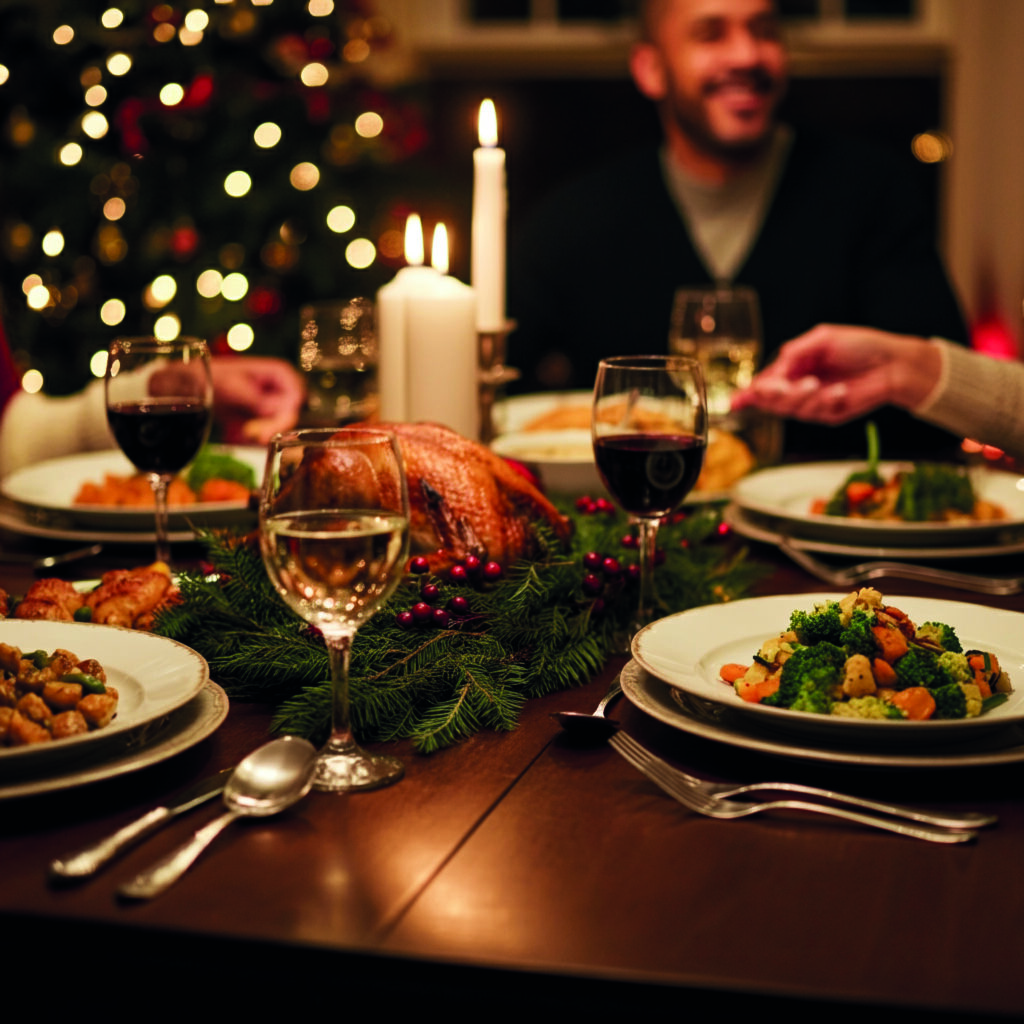
Depending on family traditions and the age of the children present, it’s usually celebrated before or after a lengthy midnight mass at church-hence the name réveillon, from the verb se réveiller, to wake up, since church-goers were expected to stay awake for the late service. Lasting for hours, the modern Réveillon de Noël features myriad courses and enough booze to see le Père Noël crashing his sleigh into the rooftops. In centuries past, there were two distinct sections to dinner on Christmas Eve-the first a much humbler meal served before midnight mass (called le repas maigre, or the lean meal), featuring soup, cheese, vegetables and fish; and the second a staggeringly sumptuous feast served afterwards (called le repas gras, or fat meal), where the meat dishes played a starring role. Nowadays, maigre and gras have been amalgamated into an even more opulent Réveilion de Noël, with just about anything you care to imagine on the menu.
The food and drink on offer differs according to which region of France you happen to be in, but celebrations invariably kick off with obligatory champagne aperitifs, plus the option of a couple of raspberries in the bottom of the glass or crème de cassis to create a Kir Royale.
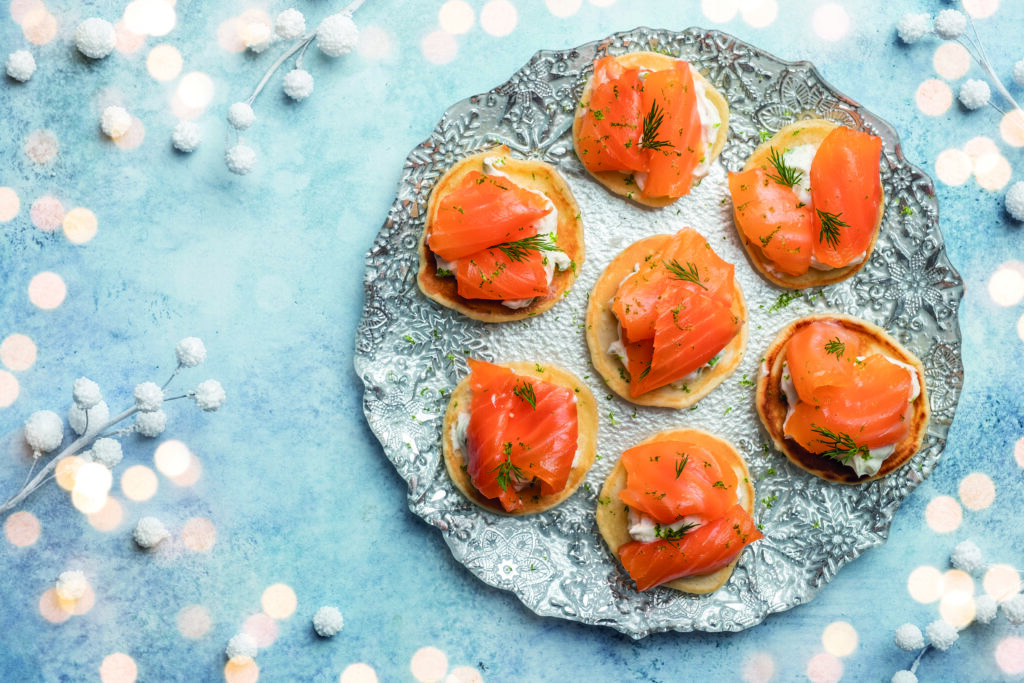
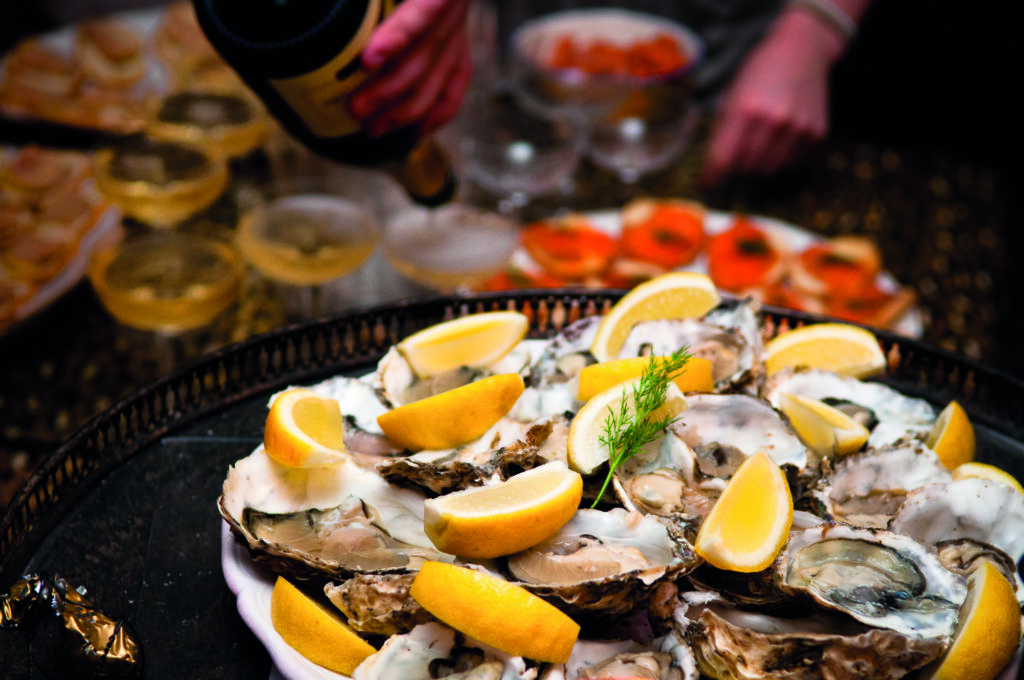
Around the same time, entrées are served. These might include soups, smoked salmon blinis, caviar, foie gras, snails and noix de Saint-Jacques (scallops). One very popular starter, which is firmly in season at Christmas time, is oysters. In fact, thanks to the original repas maigre, seafood always features prominently in the Réveillon de Noël. Aside from the shellfish entrées there’s a good chance you’ll also enjoy salmon, prawns. langoustines and lobster.
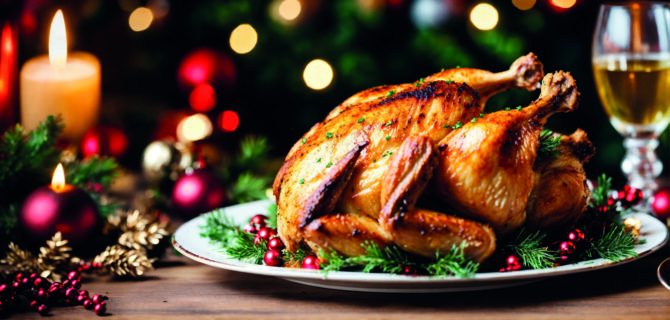
In the majority of French households, the main course usually centres on a huge roast turkey, as in the UK and US. But capon (a fattened and neutered cockerel), goose, venison, rabbit or beef can also make an appearance. Different French regions have their favourites, a rule which applies to the wine on offer too. After the main course, and before dessert, it’s time for cheese. On Christmas Eve, there will be enough to last well into the new year. A special treat is when the cheeses are paired with truffles, which are very much in season in mid-winter
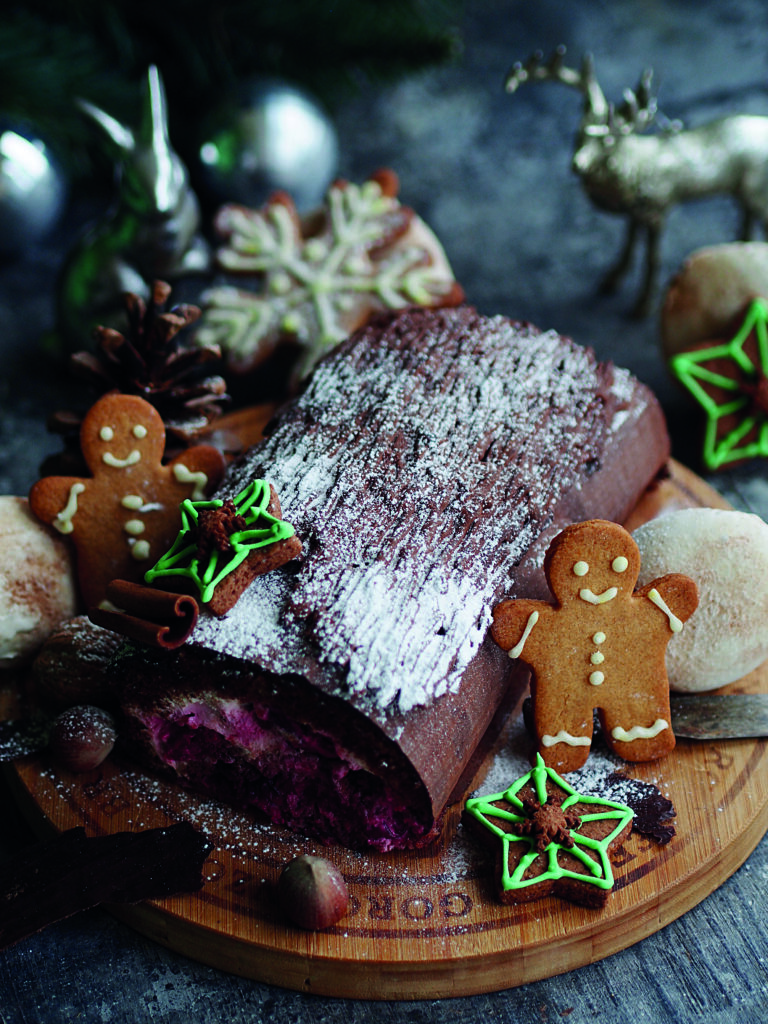
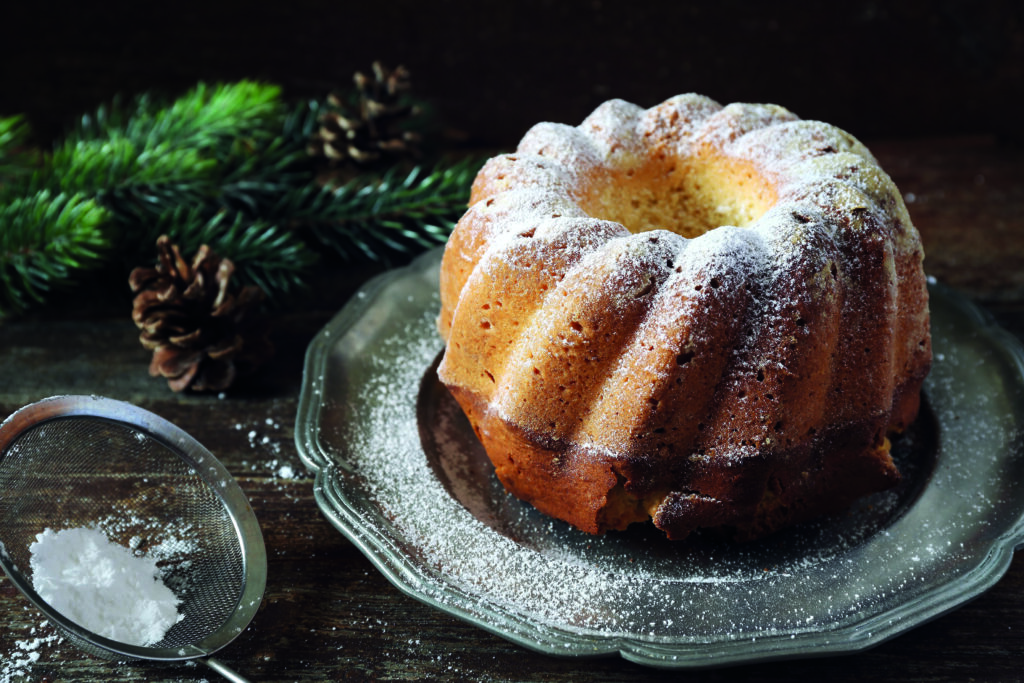
Next comes the dessert, with the bûche de Noël (yule log) considered by many the classic Christmas dish. This usually consists of sponge cake, chocolate, lots of icing, and perhaps a splash of liqueur, all rolled into the cylindrical shape of a log. In Alsace, where the Germanic influence is strongest, it’s common to munch on biscuits called bredeles and a cake called kouglof.
One region of France, though, takes Christmas dessert to the extreme. In Provence, there is a tradition known as les treize desserts-the number 13 representing Jesus and his 12 apostles. Although no one agrees precisely which desserts belong on the list-there are as many as 55 different versions across Provence you can expect the following to appear on the table. Les quatre mendiants (the four beggars) represent the four Catholic religious orders, with walnuts or hazelnuts for the Augustinians, dried figs for the Franciscans, almonds for the Carmelites and raisins for the Dominicans. Then there are various fresh and dried fruits, a cake called pompe à l’huile, made with fruited olive oil, nougat, marzipan, and thin waffles called oreillettes. All these goodies might sit on the sideboard, waiting to be picked at over the course of the Christmas holiday.
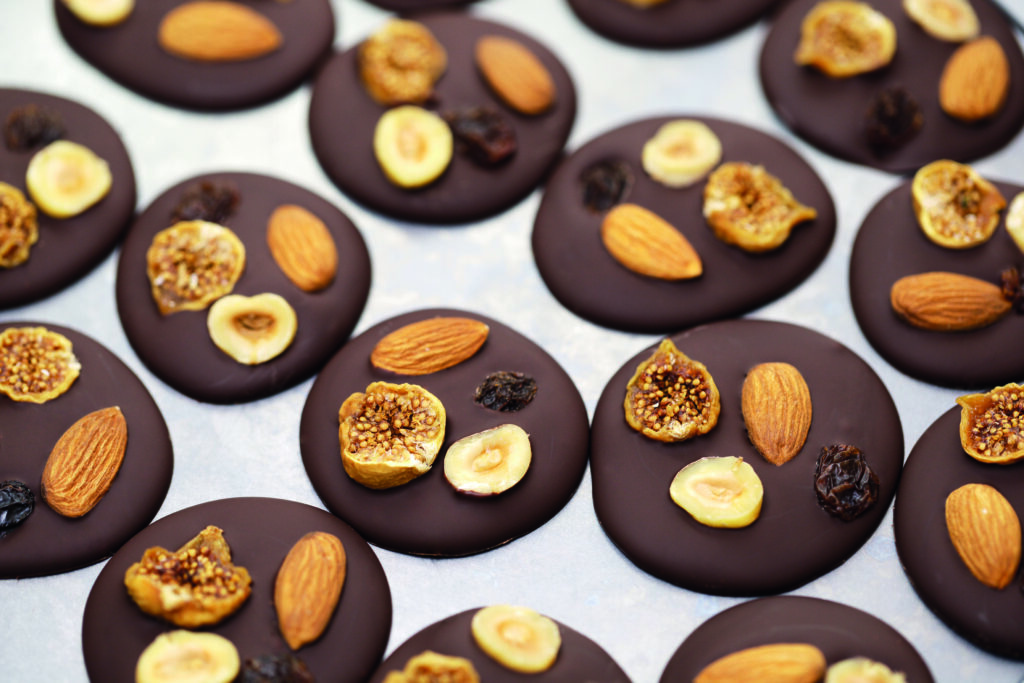
If there’s any room left, then revellers might finish off the meal with digestifs and chocolates or chocolate truffles.
The Epiphany
The other festive culinary tradition, with its origins in Roman times, is on January 6, the day of the epiphany.
Across France and other French-speaking regions of the world, families will bake or order in a special cake. In northern France it tends to be a galette des rois, made of pastry and frangipani, while in the south it’s usually a gâteau des rois, made of brioche, with a hole in its centre. As with all French food, there are multiple regional variations on the recipes. More exciting than the cake itself, though, is the ceremony that surrounds it, known as tirer les rois, or drawing lots for the kings. Each family practises its own version of the tradition, but generally it plays out like this: buried within the cake is a small charm or figurine called a fève – ideally made of porcelain but nowadays sometimes metal or plastic instead. Some fèves are like the Provencal santon figurines, while others are commercially branded or part of limited series. Whoever is lucky enough to find the charm in their portion is then designated the king or queen for the day, with a paper crown to wear. These fèves are so popular that some French people accumulate vast collections of them over the years.
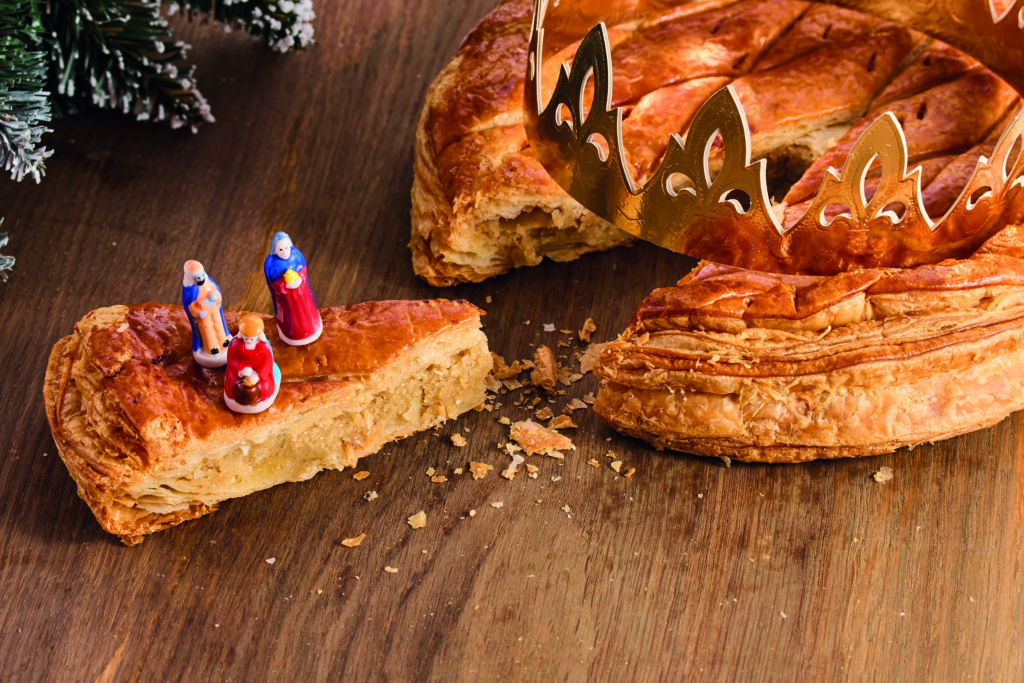
While the Réveillon de Noël is certainly the most important culinary event of the Christmas holidays, don’t underestimate just how popular the ceremony of the galettes and gâteaux des rois are too. According to the Fédération des entreprises de boulangerie-pâtisserie (the Federation of Bakeries and Patisseries), close to 60 million cakes are sold every year. We all know just how seriously the French take their foodie traditions – but at Christmas time, they really go into overdrive. Whatever you serve this Christmas, we wish you a joyeux Noël.
Looking for more French food and drink content?
In our magazine we offer a whirlwind tour of the best gastronomic destinations. Discover La Belle France’s renowned markets, quirkiest food festivals, most indulgent restaurants and foodie experiences.
Lead photo credit : Shutterstock
Share to: Facebook Twitter LinkedIn Email
More in Christmas, French christmas, traditions
Related Posts