Dining with the Impressionists
From riverside guinguettes to Montmartre cafés to Monet’s Giverny, Gill Harris traces the dining spots that shaped the Impressionists…
When the first Impressionist exhibition opened in the Paris studio of the photographer Nadar on April 15, 1874, it marked the beginning of a radical shift in how modern life was depicted. Among the works shown was Monet’s Impression, soleil levant, which inspired critic Louis Leroy to nickname the group ‘Impressionists’. What is sometimes overlooked, though, is just how deeply food, drink and the rituals of dining shaped both their daily lives and their art.
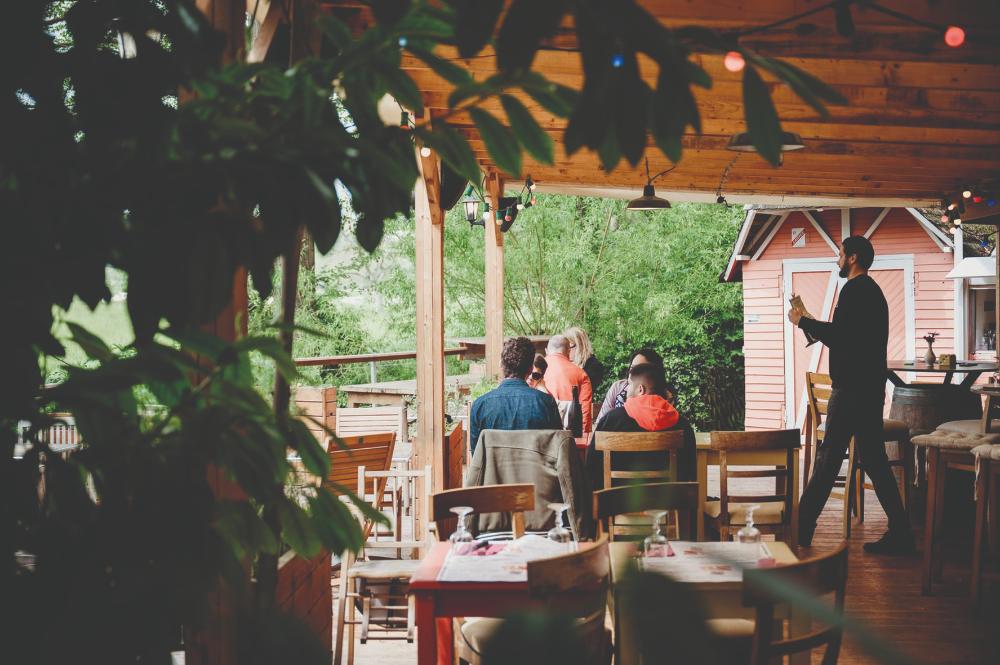
Guinguette_de_Giverny_-_Thomas_Le_Floc_H-Thomas_Le_Floc_H-24960
From guinguette terraces along the Seine to the bustling cafés of Montmartre – and, later, to Monet’s own dining table at Giverny – the flavours of late 19th-century France were woven into the very fabric of the movement. The France of the 1870s-1890s was undergoing profound social and culinary change. Café-concerts, brasseries and guinguettes proliferated, offering new forms of leisure that the painters seized upon. These were the places where they ate, argued, sketched and observed the modern world they would capture so beautifully on canvas.
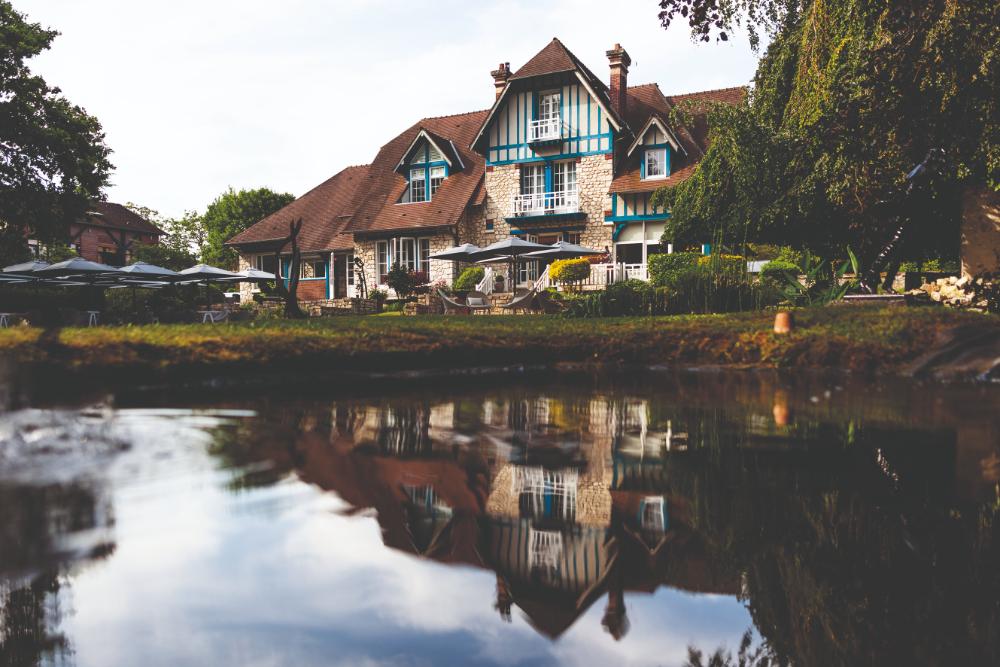
Le Jardin des Plumes Giverny CR auréliorodriguez
Step into their world
Many of these settings survive today. In Chatou (Yvelines), Maison Fournaise (www.maisonfournaise.com/en) is a delightful spot where the golden age of guinguettes can still be felt. The original 19th-century riverside restaurant remains intact, and today Restaurant Fournaise, led by chef Stéphane d’Aboville – who previously worked with Yannick Alléno and Éric Fréchon – serves a modern take on traditional dishes, showcasing seasonal, local produce.
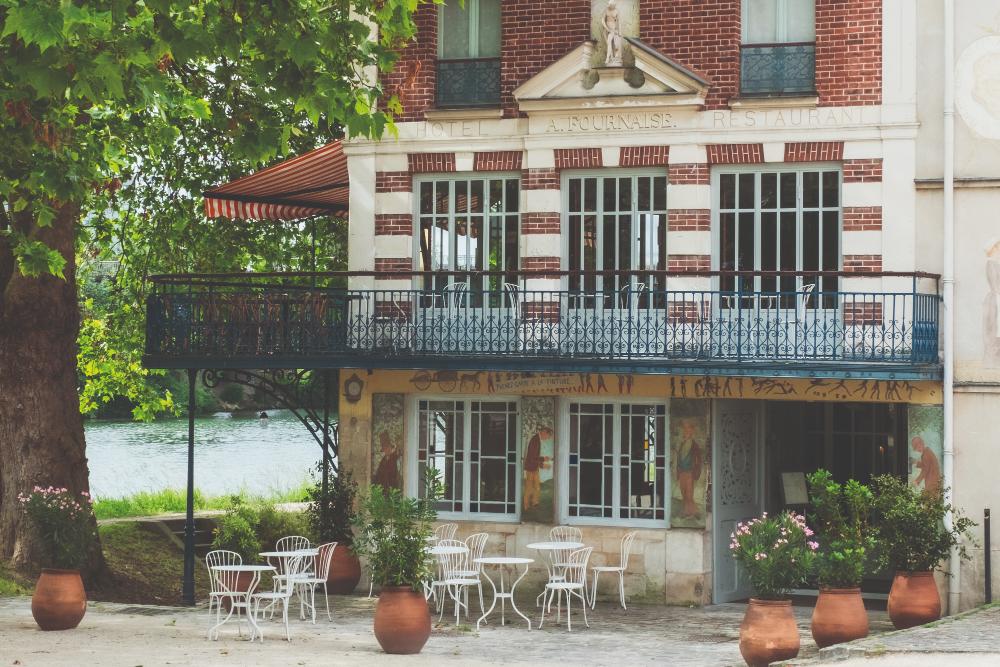
CR Maison Fournaise
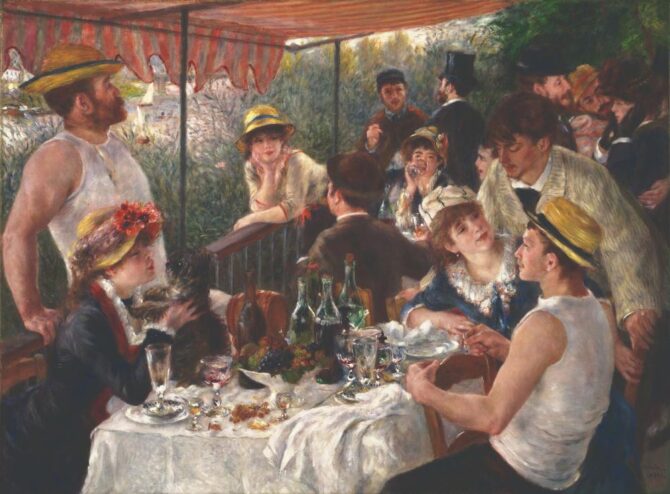
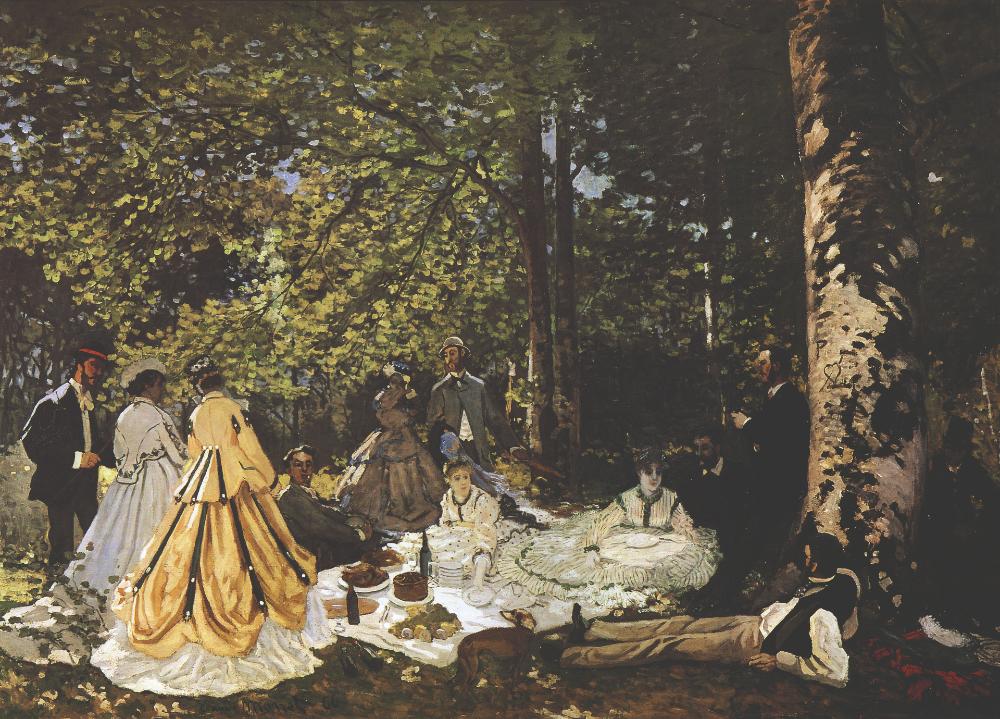
It was on the Fournaise’s balcony in 1880-81 that Pierre-Auguste Renoir painted his joyous Luncheon of the Boating Party – and diners can still eat in precisely the same place today. Renoir had also been here several years earlier for Lunch at the Restaurant Fournaise (1875), a more intimate riverside meal set on the terrace overlooking the Seine. The terrace and views remain recognisable today, allowing visitors to sit exactly where he placed his figures. The Musée Fournaise, housed in the same building, is a must for those wishing to learn more about the site’s artistic history. Monet’s Déjeuner sur l’herbe (1865-66), though not strictly an Impressionist painting – it predates the first exhibition and is considered proto-Impressionist – is thought to be set in the Forest of Fontainebleau, most likely the Bois de Bas-Bréau near Barbizon. The exact picnic clearing is debated, but the woodland paths Monet walked with the Barbizon painters are still there to explore.
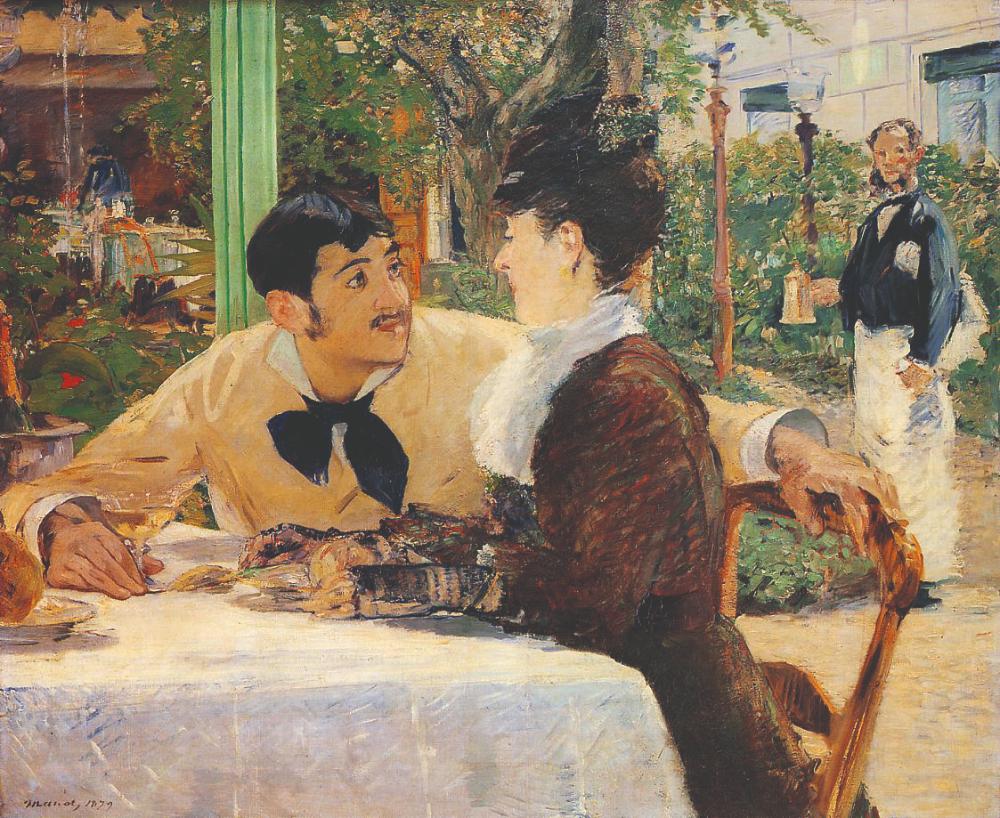
Edouard Manet Chez le Pere Lathuille, 1879
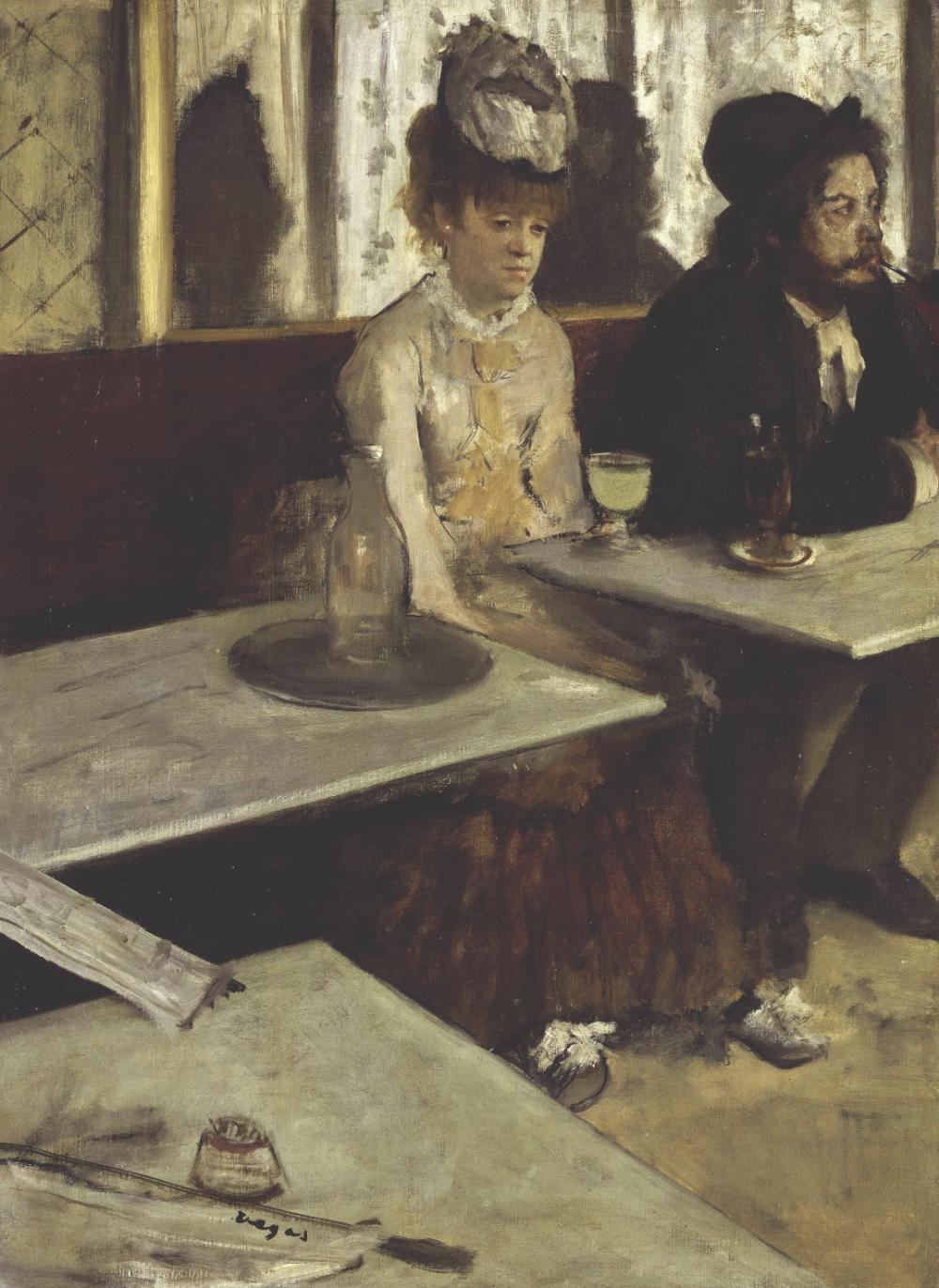
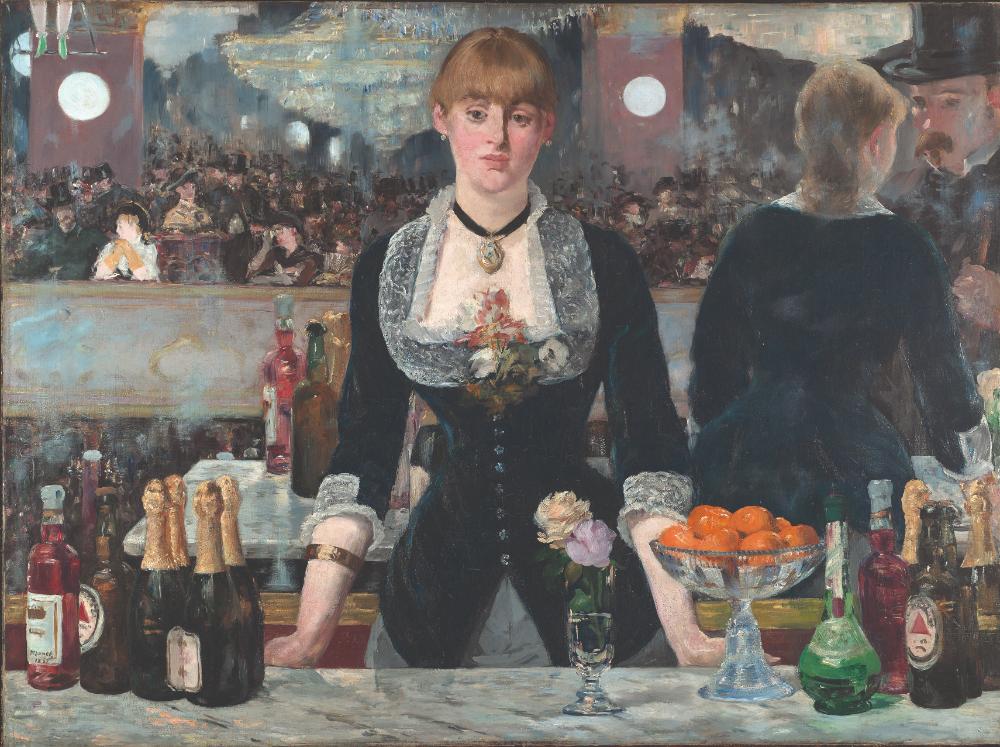
Degas’s L’Absinthe (1875-76) was painted at the Café de la Nouvelle Athènes at 9 Place Pigalle in Paris’ 9th arrondissement. The establishment underwent many changes -including striptease club and rock venue over the years, until it was destroyed by fire in 2004 and demolished. Elsewhere in Paris, Manet, who never exhibited with the Impressionists but moved in the same circles, left two celebrated dining scenes. Chez le Père Lathuille (1879) was painted in the garden of the restaurant of the same name at 7 Avenue de Clichy. The building survives in heavily altered form, but the restaurant and its garden are long gone; nearby brasseries such as Le Wepler (wepler.com) or Bouillon Pigalle (www.bouillonpigalle.com) offer echoes of the neighbourhood’s historic spirit. His later A Bar at the Folies-Bergère (1882), painted inside the famous cabaret at 32 Rue Richer, can – almost – be visited today: of course, the Folies-Bergère (www.foliesbergere.com) still opens its doors each evening, but the original bar that Manet depicted has vanished.
Degas absinthe at cafe de la nouvelle
Artists’ haunts
To dine where Monet, Sisley and Vincent van Gogh once ate and drank, head to La Bonne Franquette (www.labonnefranquette.com) on Rue Saint-Rustique in Montmartre. Its convivial ethos – aimer, manger, boire et chanter – lives on at the very café terrace Van Gogh depicted in La Guinguette (1886), while he was living with his brother Theo at nearby 54 Rue Lepic.
La Musardière Giverny 3 CR Clara Bodineau
North of Paris, in Auvers-sur-Oise, the Auberge Ravoux (www.maisondevangogh.fr) also known as the Maison de Van Gogh -was the last place Van Gogh called home before his death in July 1890. Dating from 1876, the inn comes alive at mealtimes with its wine racks, red-and-white linen and vintage zinc bar. Visitors can dine on the ground floor and visit the artist’s preserved room upstairs.
manet bar at the folies bergere
A special centenary
Normandy – where special events are planned as part of the 2026 Normandy Impressionist Festival to mark the centenary of Monet’s death – holds a particularly rich culinary connection. La Ferme Saint-Siméon (www.fermesaintsimeon.fr) in Honfleur began life as a farmhouse inn where Eugène Boudin, Gustave Courbet, Claude Monet and other artists gathered. Now a 5-star Relais & Châteaux hotel, its restaurant, Les Impressionnistes, showcases Norman produce under the direction of executive chef Matthieu Pouleur. Along the Channel coast Étretat, Dieppe, Le Havre – the emphasis on seafood and coastal produce continues to define the region’s identity, just as it did when Monet painted the cliffs and harbours.
claude monet dejeuner sur l herbe
Dining with Monet
But of course, it is at Giverny, home to Monet for 40 years, that the heart of Impressionism lies. The Hôtel Baudy (www.hotelbaudy.com) was once the setting for lively evenings with the likes of Renoir, Sisley, Pissarro and Cézanne. Today it is a welcoming restaurant and the perfect spot for a bite to eat after a visit to Monet’s House (www.fondation-monet.com) and the Musée des Impressionnismes (www.mdig.fr), both just five minutes away. Dine on classic French cuisine in the traditional dining room or on the shaded terrace, then visit the 1887 artist’s studio in the garden, preserved in its original state.
If Impressionism had a single dining table that embodied its values, it was Monet’s. The artist was passionate about food, fiercely committed to quality produce, and strict about mealtimes. His potager supplied the household with asparagus, peas, beans, leeks, artichokes and fruit throughout the year. He preferred simple, impeccably prepared dishes to elaborate cuisine, insisting that ingredients be served at their seasonal best.
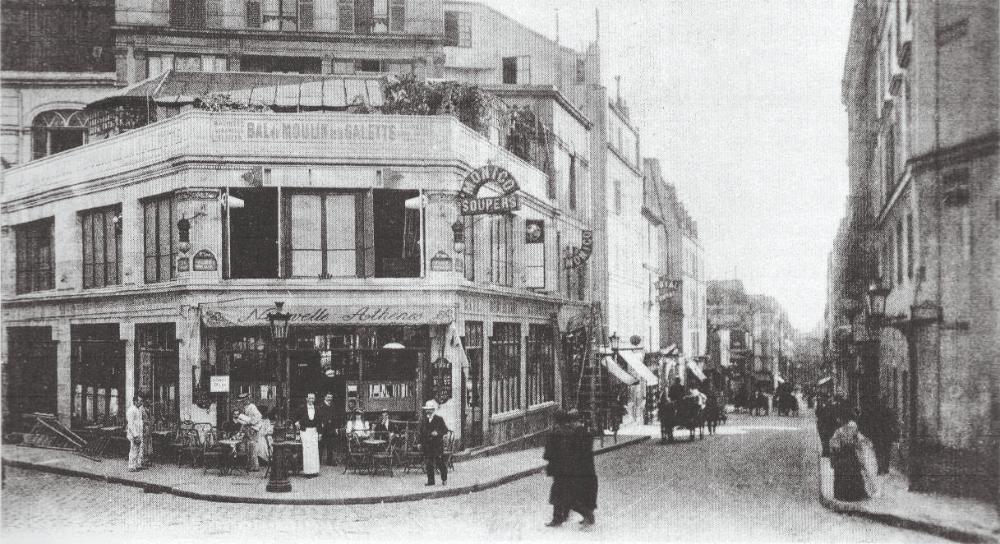
Degas_Café_de_la_Nouvelle_Athenes_before_1900_wikimedia
For the Impressionists, food was part of the very fabric of modern life that the painters were striving to capture. Renoir’s terrace lunches, Degas’s cafés, the guinguettes of the Seine, the farm inns of Normandy, and Monet’s table at Giverny all point to a culture where dining was a social, artistic and emotional anchor. And while the canvases remain safely in museums, many of the locations – Chatou, Montmartre, Auvers, Honfleur, Giverny – still allow today’s visitors to experience the flavours and atmospheres that nourished an artistic revolution.
Looking for more French food and drink content?
In our magazine we offer a whirlwind tour of the best gastronomic destinations. Discover La Belle France’s renowned markets, quirkiest food festivals, most indulgent restaurants and foodie experiences.
Lead photo credit : Maison Fournaise_Renoir Luncheon of the Boating Party
Share to: Facebook Twitter LinkedIn Email
More in Food art, French art, French impressionists, Impressionism
Related Posts