France’s Haute Cuisine
Sponsored
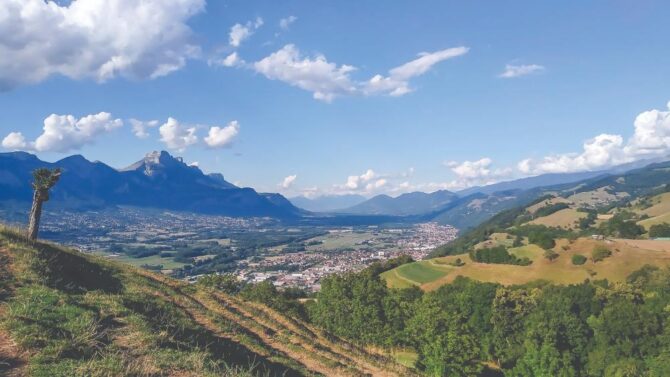
From mountain cheeses to Michelin stars, Dominic Bliss tucks into the moreish flavours of the mountains…
“How do you expect to govern a nation which has 258 types of cheese?” Charles de Gaulle once famously pondered. The late president’s estimation was actually a little low, as there are over 1,000 varieties of cheese in France. And many of them, as I discovered on a recent trip to the Alps, are in the department of Isère: Saint-Marcellin.
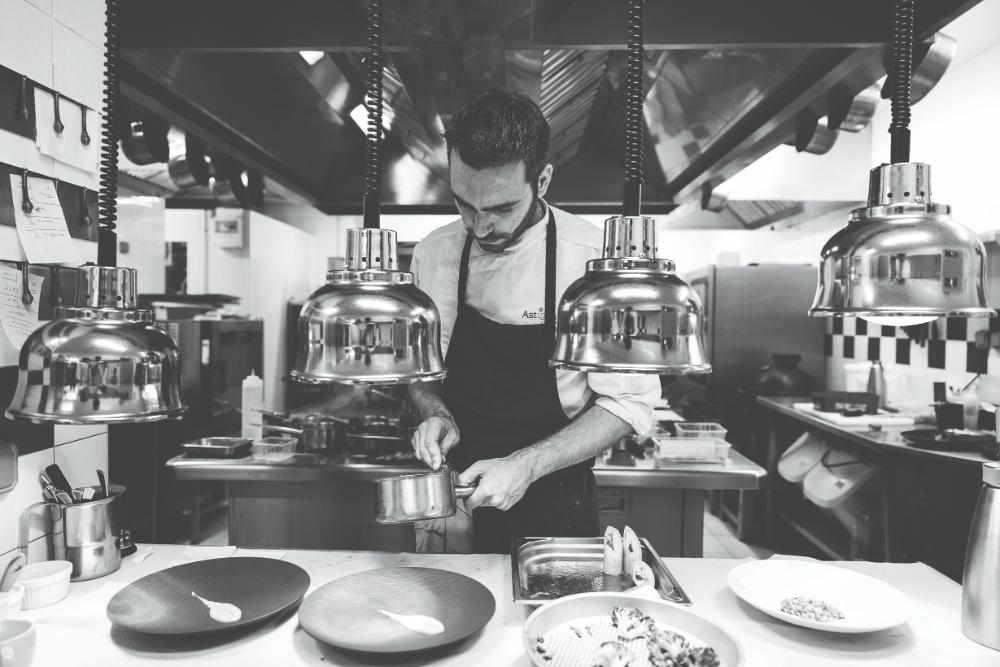
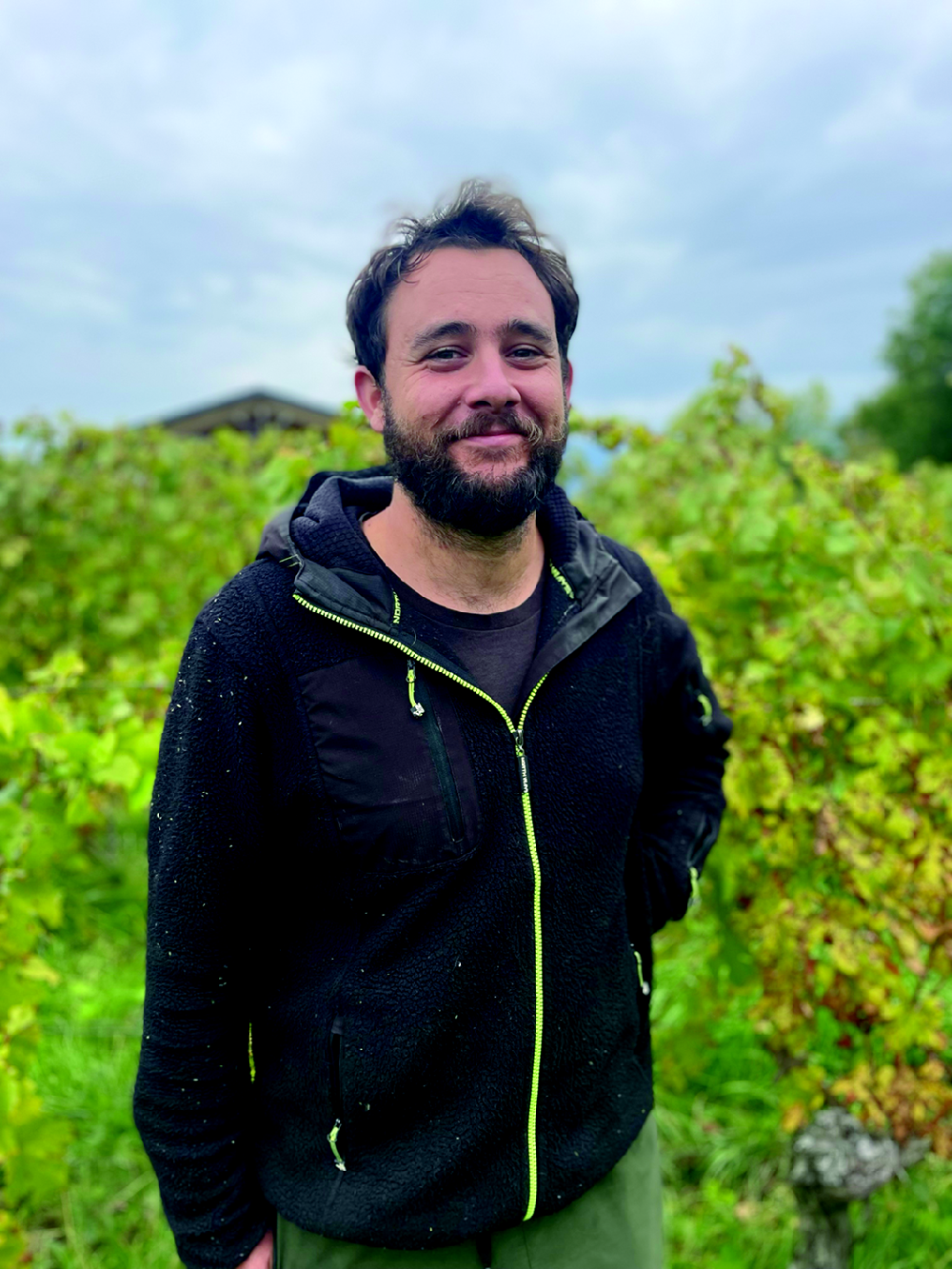
Ludovic Nardozza, Asterales
Saint-Félicien, tomme du Revard, tomme de Belledonne, bleu du Vercors-Sassenage, Bleu de Lavaldens, Vercorais, Bournette, Vercorette Carré du Trièves, Séchon de vache. Chambaran, tomme de Vercors, tomme de Gresse, tomme de Chartreuse the list is long and exceedingly cheesy.
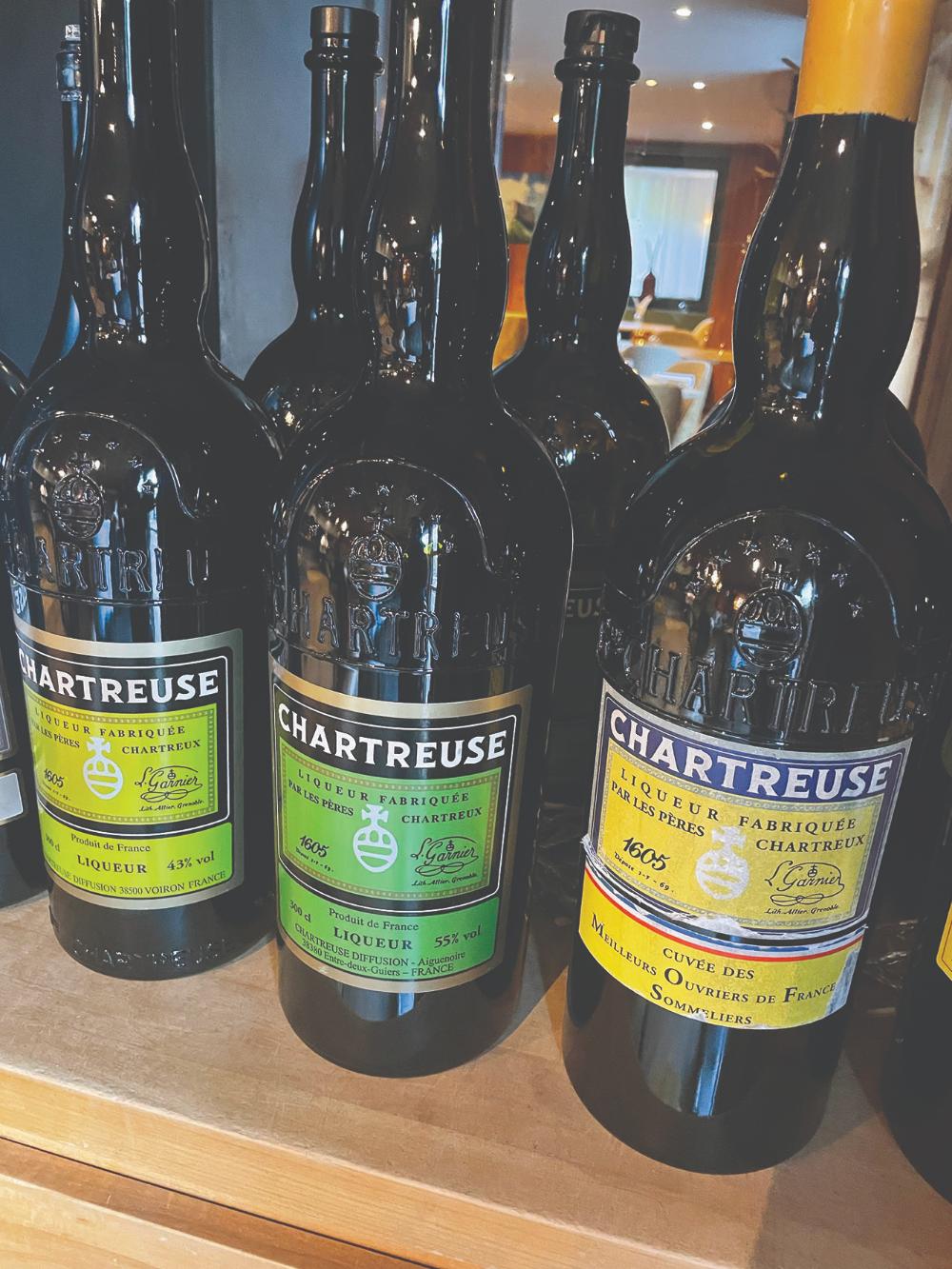
Chartreuse liqueur
One person who knows more than most about the local cheese is Ludovic Nardozza, the Michelin-starred chef at a restaurant called Astérales, in the Hôtel du Golf (www.hotel-du-golf-vercors.fr), in a tiny mountain village south of Grenoble called Corrençon-en-Vercors. Although he is originally from Montélimar (“the home of nougat”, as he calls it), Ludovic has fully embraced the mountain terroir he now finds himself in. Among the cheesy recipes he champions are ravioli with smoked ricotta (courtesy of his Italian roots): a wonderful raclette called Vercouline, made with the local blue cheese, Bleu de Vercors and fromage blanc with walnut oil. But it’s a decidedly uncheesy dish that he is most famous for. In 2017, he won the world championship title for cooking lièvre à la royale-wild hare slowly braised in red wine and a rich, bloody sauce.
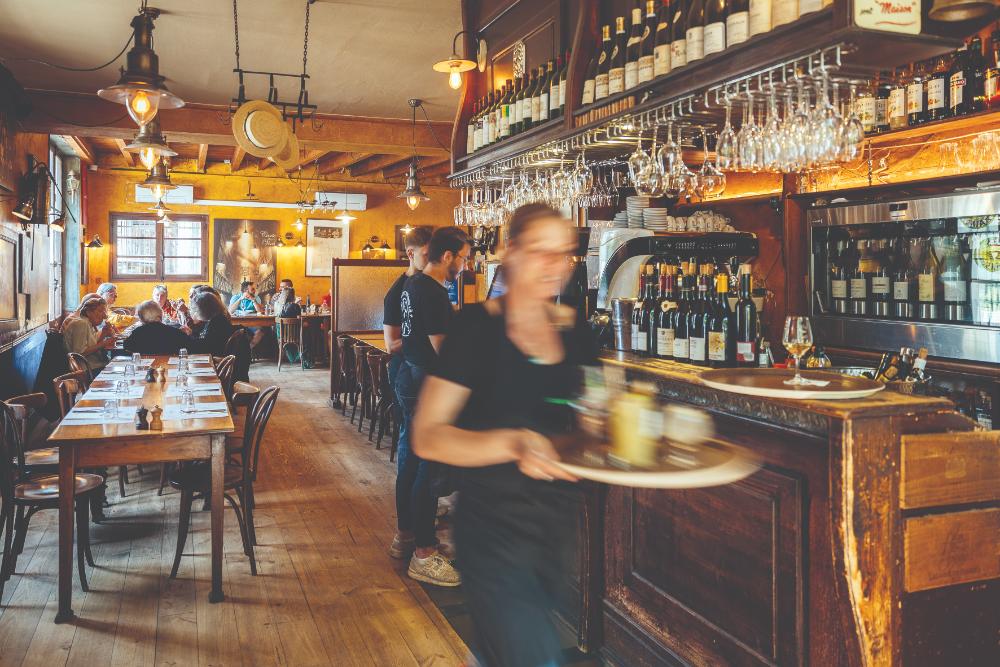
Hotel des bains, Pascale Cholette, pour Isäre Attractivit
Like most chefs nowadays, 34-year-old Ludovic likes his ingredients to be as local as possible. He proudly showed me around his kitchen garden in the hotel grounds where he grows dozens of organic vegetables and herbs. Adjacent are two compact beehives in which, unbelievably 140,000 bees reside. During the summer months, they flit around the mountain meadows in search of nectar but when I saw them on a cold autumn afternoon, they had already started bedding down for winter. It was only this year that Ludovic received his Michelin star for Astérales, and he was surprisingly pragmatic about the award. “I try not to think about it too much,” he said.
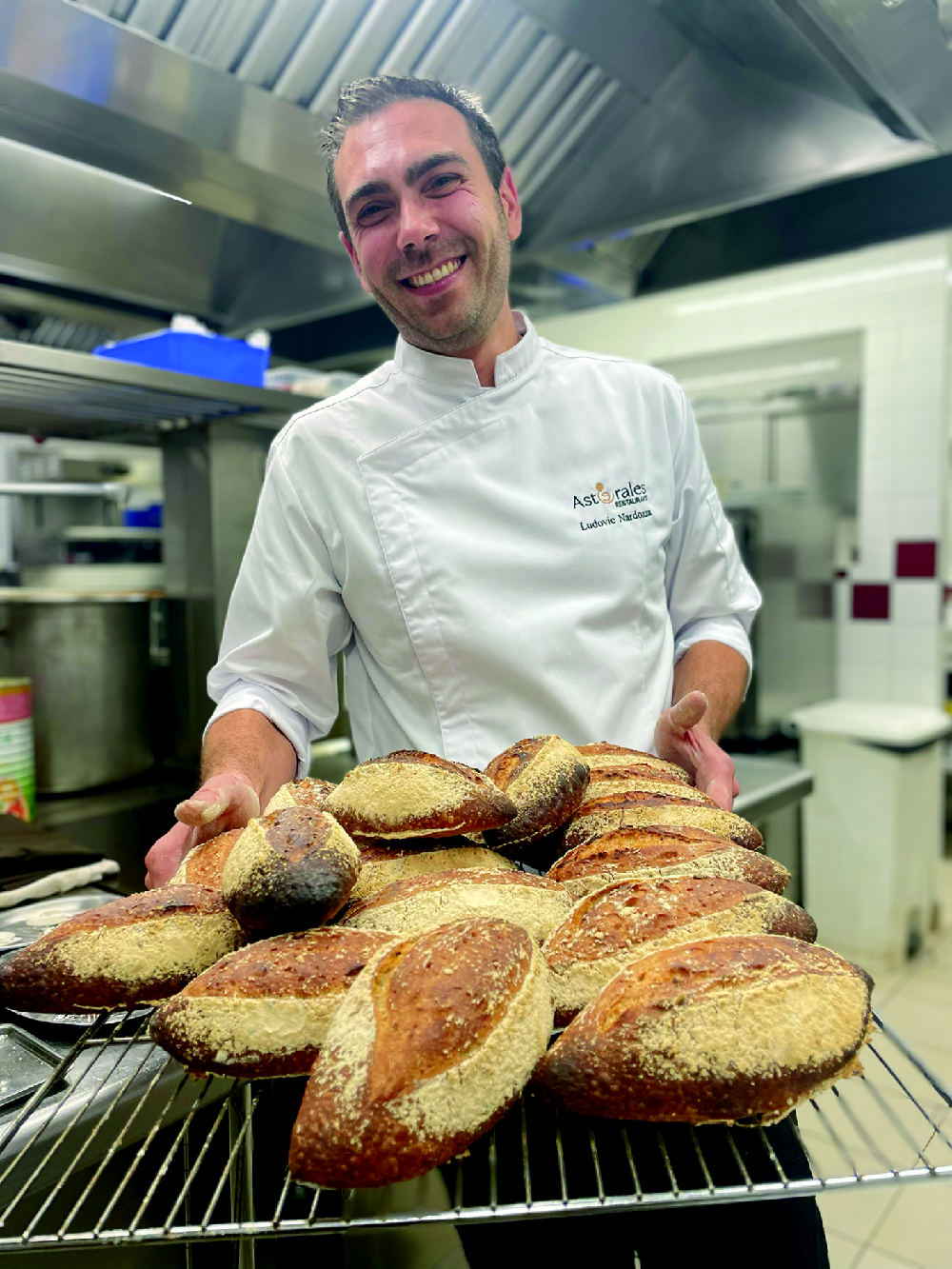
“What we’re not doing is cooking for Michelin. It’s a great guide, it’s a great institution and I’m proud to be part of it, but it’s important it doesn’t become an obsession for us. If you get it in your head that you must have a Michelin star, that’s really not good. If we deserve a second star, well it will come. But our primary job is to look after our customers.”
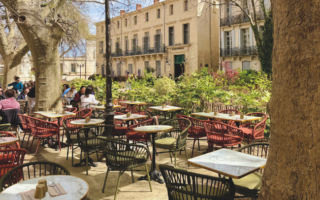
That evening, as I sat down to a dinner created by Ludovic and his team, I felt very well looked after indeed. The starter was agnolotti pasta with artichoke and caviar. Then I tucked into pikeperch roasted in butter, followed by a local lamb dish called agneau de l’Isère; for dessert, a plum confit (courtesy of the little orchard outside) with ice cream. A restaurant I enjoyed even more was Hôtel des Bains (www.hoteldesbains-charavines.com), in the village of Charavines, right beside the pretty Lac de Paladru. Here I met co-owner Martin Perino, whose grandparents first set up this traditional bistro in 1967. It’s something of a local institution, rustic in its décor and buzzing with atmosphere, even on a weekday lunchtime in autumn. There are 90 covers inside and a further 250 outside on the terrace. Martin told me proudly that, between mid-June and mid-September, he and his colleagues serve more than 30,000 diners. “To get a table at the weekends, you need to book three weeks in advance,” he said. “During the week, at least one week before”
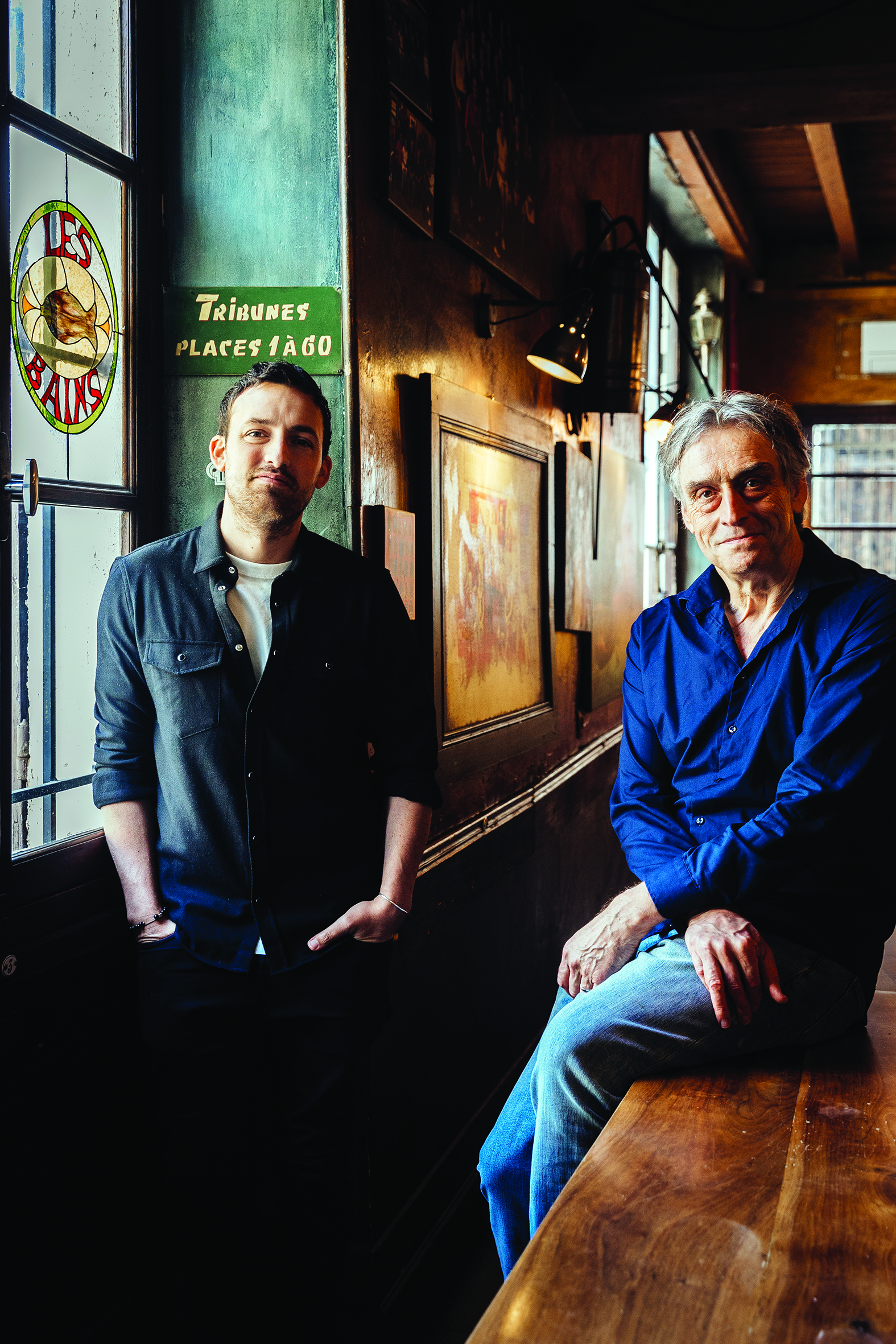
Hôtel des Bains à Charavines Martin et Pascal Perino
Mountain territory
I enjoyed a lunch of marrow bone, guinea fowl with parmesan and polenta, and a crème brûlée to die for. There were also frogs’ legs on the menu, which I decided to skip. Afterwards, Martin showed off his three wine cellars, caressing a selection of his Montrachets and Romanée-Contis. He has 25,000 bottles in all, the priciest ones secreted in a spiral-shaped room right below the bar.
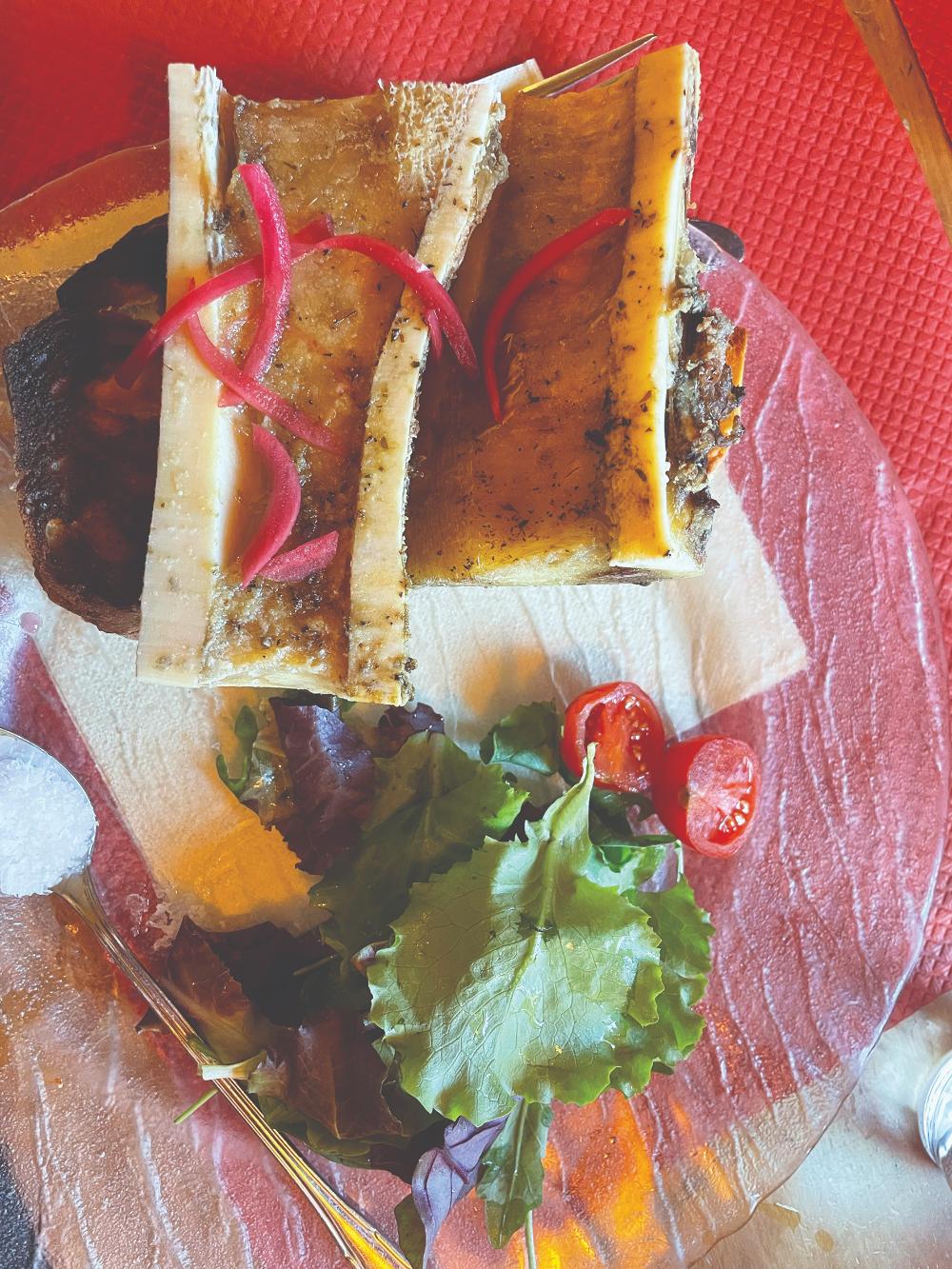
Hotel des Bains
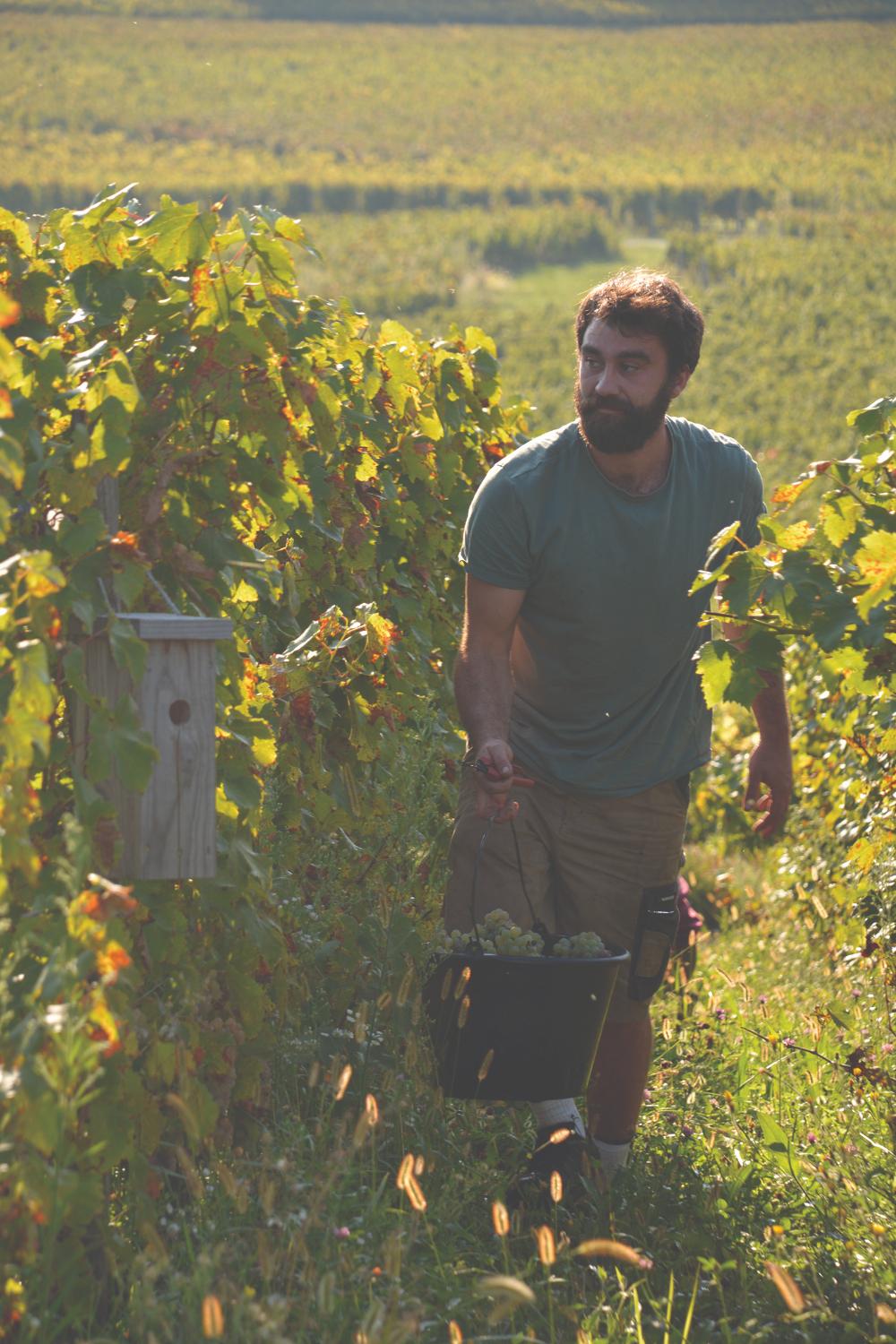
The following day I got to experience the local Isère wine at a vineyard in Chapareillan called Domaine Giachino (domaine-giachino fr). Here, brothers Clément and Antonin ply their trade in the shadow of the Chartreuse Mountains, with the impressive Mont Granier to the west and the Isère river to the east-The 25 hectares of their vineyards lie on top of the remains of a vast landslide dating back to the Middle Ages which buried the villages beneath forever.
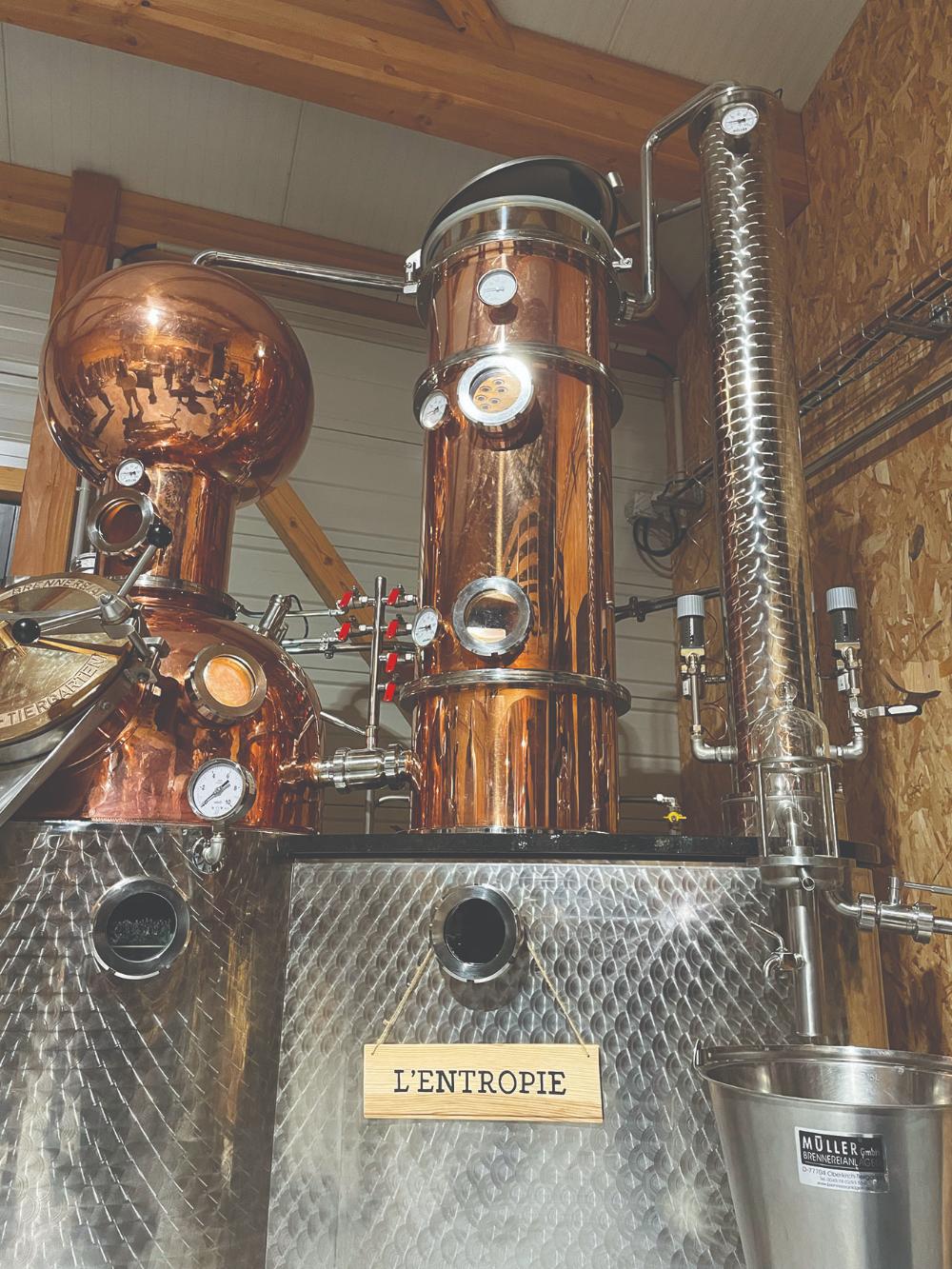
Entropie
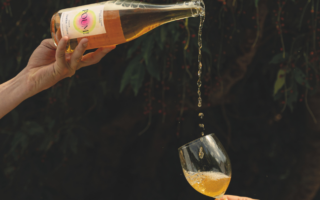
The Giachinos produce up to 80,000 bottles of organic wine a year, using only local grape varieties such as Persan. Douce Neare Jacquére, Gamay and Mondeuse. At som above sea level, the winters can be cold. But they say it’s not the winter frost that is their higerit challenge, rather the rare spring fa When the grapes have already started to Bourish, and the occasional hailstorms which can shred the grapes to pienies. The brothers use protective nets to shield from the latter Another local tipple can be found at a tiny distillery in Méaudre called LEntrople (destillerie-entropie.fr). Here, the star attraction is Monique, a 150-litre copper still in which local plants and herbs are placed to produce organic gin, vodka and anise. The most distant ingredient is lavender which hails from Provence. Everything else grows close by. The distillery offers visita, tastings and gin workshops.
Domaine Giachino
My final evening in Isère was in its capital, Grenoble, home of a culinary classic that mustn’t be missed: the ever-popular gratin dauphinois. At Chez le Per Gras (pergras.com) a restaurant next to the city’s Bastille, high up on Mont Rachais, an outcrop overlooking the city, they claim to offer one of the best gratins in town. Having ridden the cable car, known to locals as Les Bulles, to the top. I met the owner Laurent Gras, the fifth generation of his family to run the restaurant, which opened in 1996 As part of dinner, he proudly served me his gratin dauphinois à l’ancienne delighted that I’d waited until the end of my trip to taste this emblematic Isère dish. I’ve got to say it was very good indeed. www.alpes-isere.com/en
Looking for more French food and drink content?
In our magazine we offer a whirlwind tour of the best gastronomic destinations. Discover La Belle France’s renowned markets, quirkiest food festivals, most indulgent restaurants and foodie experiences.
Lead photo credit : Photo: Shutterstock
Share to: Facebook Twitter LinkedIn Email
More in Alpine food, Auvergne-Rhône-Alps, French cheese
Related Posts