Seeing Rhône Valley White Wines in a Different Light
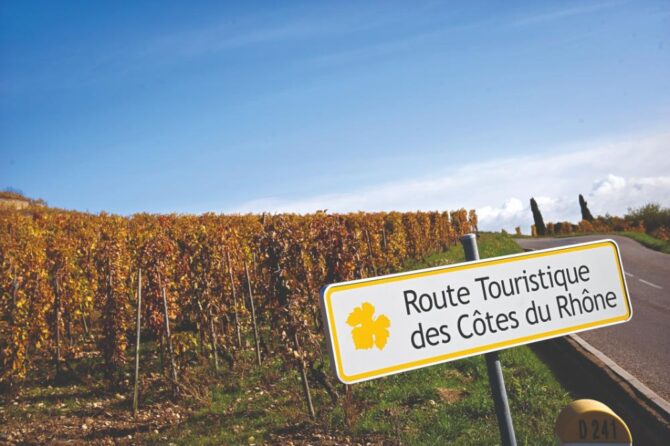
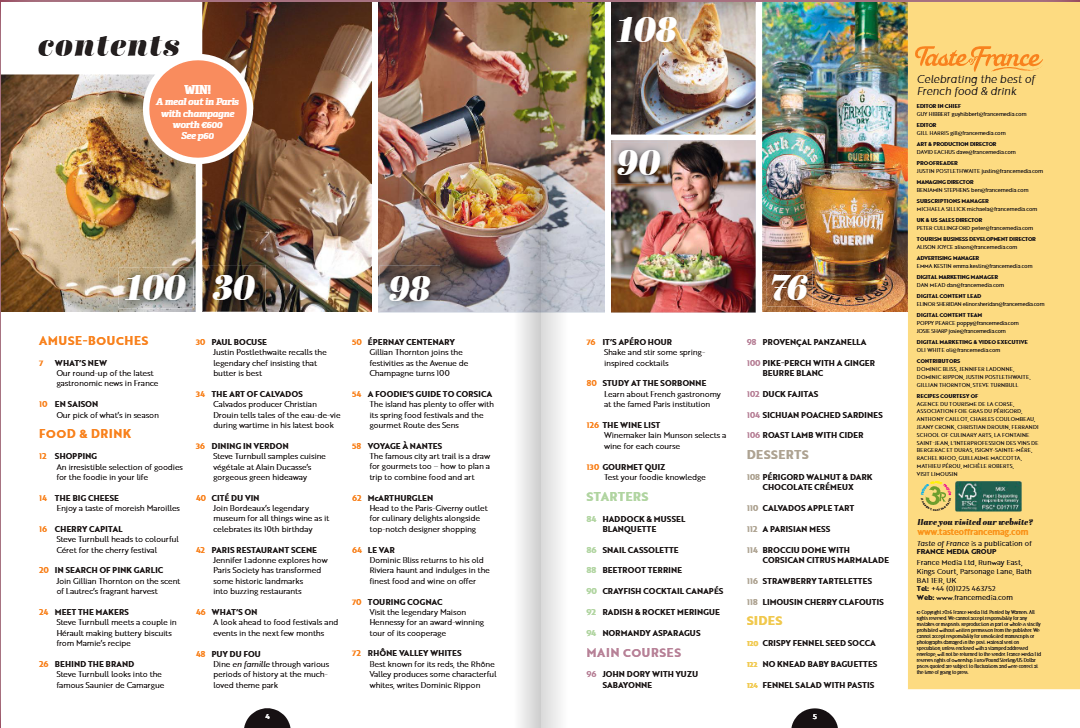
Best known for the power and pigment of its red wines, the Rhône Valley also produces some of France’s most characterful whites. Dominic Rippon travels from Condrieu to Lirac in search of the vineyards redefining the region’s reputation…
The Rhône Valley is one of France’s great wine thoroughfares, flowing from the granite hills of the north to the sun-baked plains of the south. The region’s reputation for its potent red wines was perfectly reflected in the late 2000s advertising slogan, “Think Red, Think Côtes du Rhône’. Yet this long-standing association has obscured another, quieter success story. Today, the white wines of the Rhône are attracting growing attention for their distinctive combination of elegant poise and ripe, often exotic flavours.
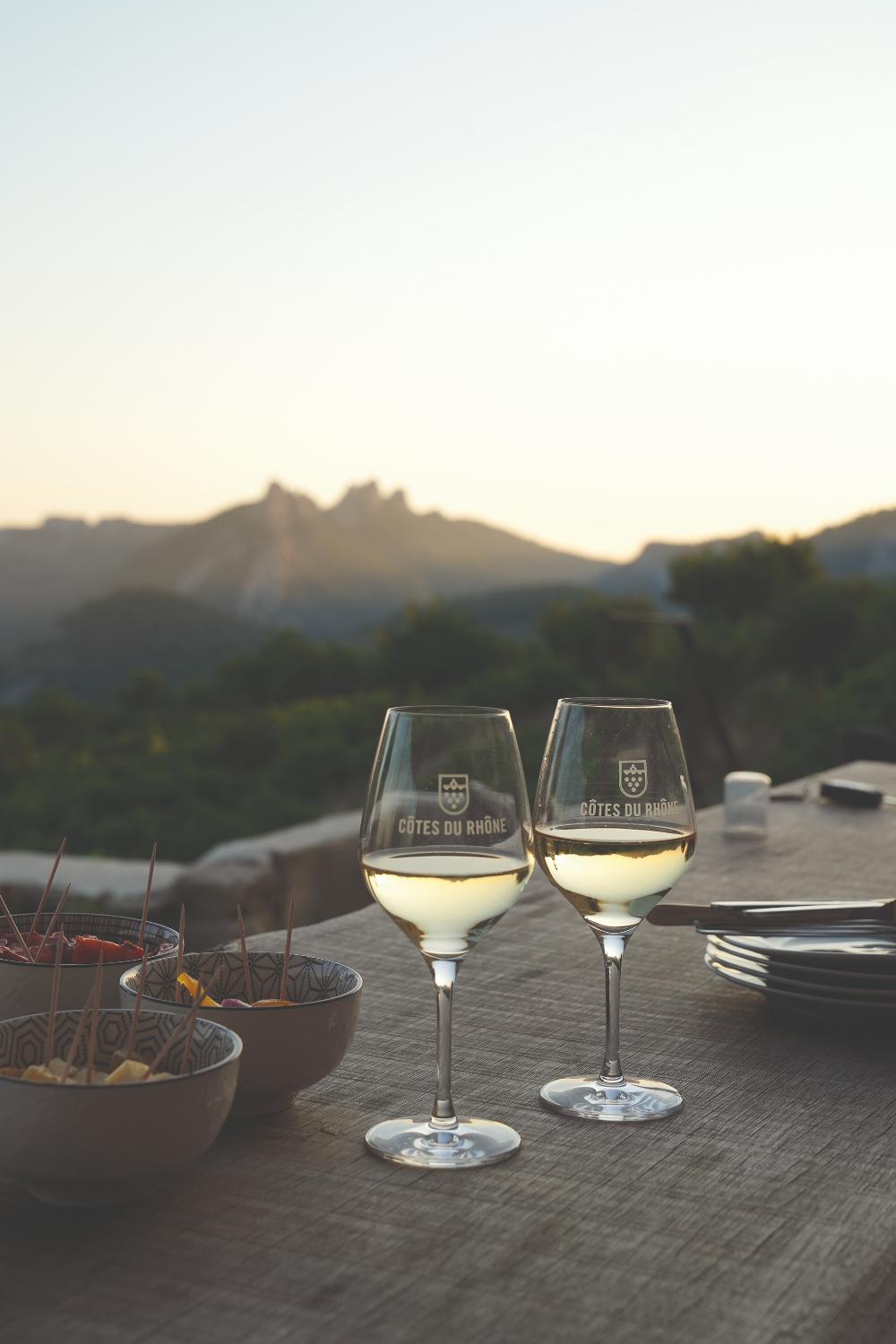
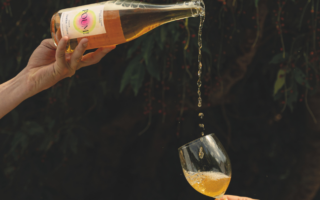
Tasting white wine of Côtes du Rhône by Katya Katkova
Exotic nectar
In the far north of the Rhône Valley, clinging to steep granite slopes above the river, lies Condrieu, one of France’s smallest – and most singular – appellations. Covering barely 200 hectares, it is the only Rhône cru dedicated entirely to the Viognier grape. These sweeping landscapes are the very cradle of the variety and the place where it reaches its most profound and sensual expression.
Viognier’s story is one of near extinction and dramatic revival. Condrieu’s labour-intensive vineyard terraces and low yields meant that by the late 1960s, fewer than 20 hectares of the variety remained planted. Its salvation came through the determination of a handful of growers and a devoted following captivated by its unique aromatics.
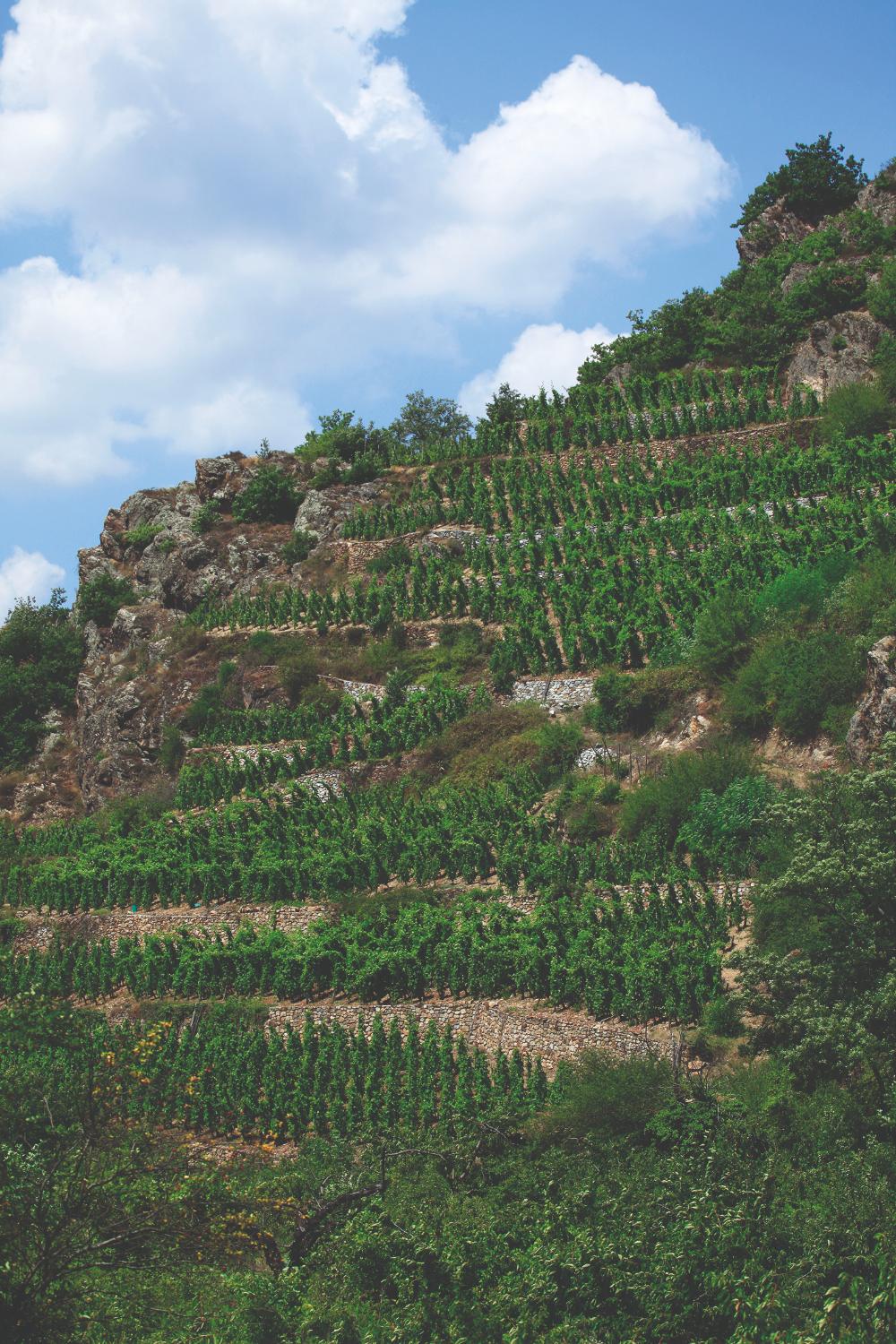
Saint-Joseph vineyard in steps Olivier Roux
Today, Viognier has travelled far beyond its birthplace, yet Condrieu remains its spiritual home: nowhere else does the grape achieve such intensity, with aromas of apricot, peach, honeysuckle and mango, underpinned by a generous texture. The secret lies in Condrieu’s combination of climate and geology. South- and southeast-facing slopes bathe the grapes in sunlight, while decomposed granite soils provide excellent drainage and a mineral backbone. Production remains tiny, demand high, and prices reflect this scarcity.
Prestigious crus
South of Condrieu, the northern Rhône opens up into a sequence of cru appellations where white wines are playing an increasingly celebrated role. Immediately adjoining Condrieu to the south is Saint-Joseph, a long, ribbon-like appellation stretching along the west bank of the river. While best known for Syrah-based reds, Saint-Joseph produces noteworthy whites from Marsanne and Roussanne. These grapes thrive on granite and gneiss soils, producing wines that are less overtly opulent than Condrieu but prized for their structure and ageing potential. Expect aromas of pear, quince and almond.
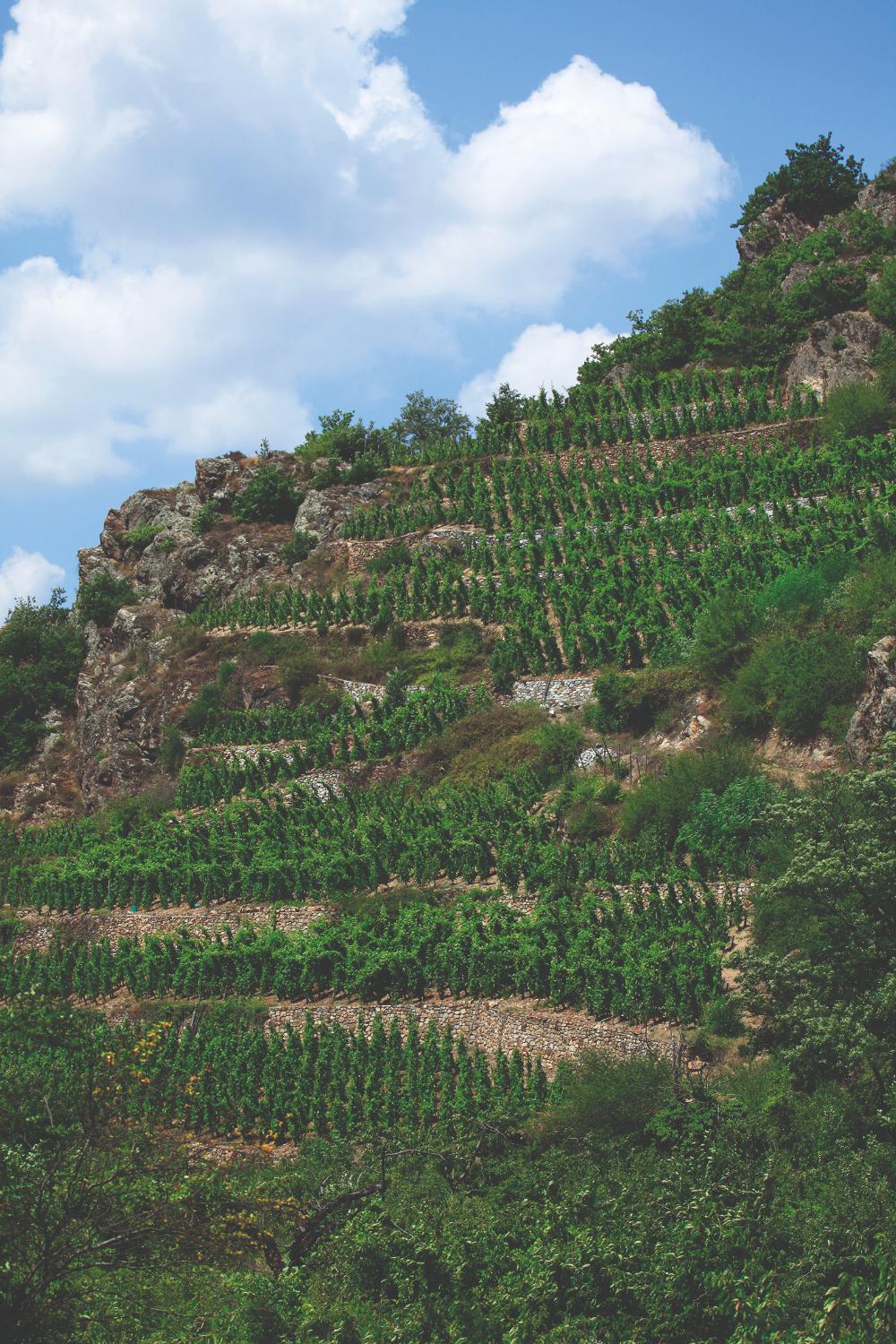
Saint-Joseph vineyard in steps Olivier Roux
Further south still lies Saint-Péray, a small but distinctive cru situated at the gates of Valence. Unlike its neighbours, Saint-Péray is an all-white appellation, making both still and sparkling wines exclusively from Marsanne and Roussanne. In the 19th century, Saint-Péray’s bubblies were among the most celebrated in Europe, counting for as much as 80% of production, and were enjoyed at the courts of the Russian tsars and Queen Victoria. Today. renewed focus on quality has revived interest in both styles. The still wines are apricot-scented and generous yet focused, especially in the hands of star vignerons such as François Villard and Rémy Nodin.
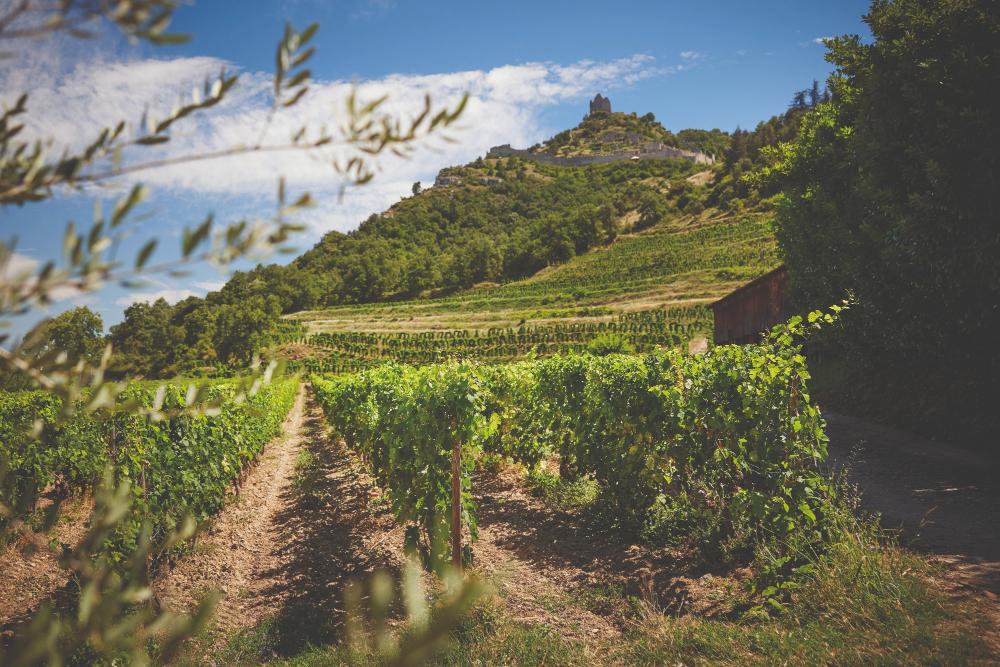
Domaine Remy Nodin Remy Nodin Coteau de la Beylesse at the foot of the Chateau de Crussol S Chapuis
Crossing to the east bank of the Rhône brings us to Hermitage (or Ermitage), one of the valley’s most illustrious names. While its reds command global reverence, white Hermitage is among the Rhône’s most age-worthy wines. Made primarily from Marsanne, sometimes blended with Roussanne, these wines are powerful, layered and built for the long haul. Youthful notes of stone fruit and flowers evolve over decades into aromas of honey, toasted nuts and spice.
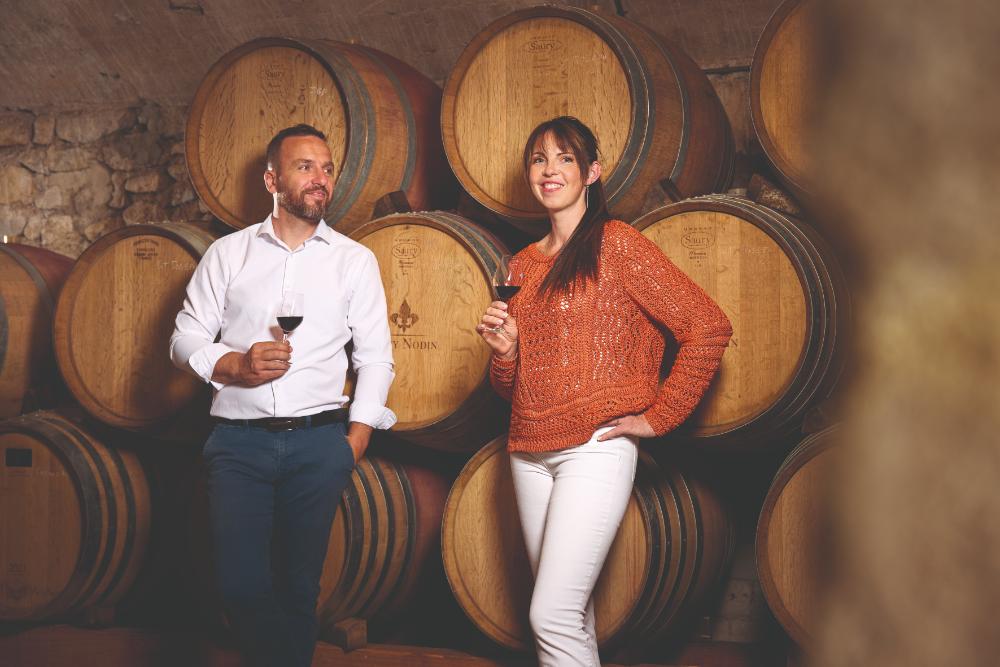
Domaine Remy Nodin_La Beylesse cuvee CR Serge Chapuis
Encircling the Hermitage hill is Crozes-Hermitage, the largest of the northern Rhône crus, with around 200 hectares under vine. Its whites, again based on Marsanne and Roussanne, tend to be more approachable in youth, offering fresh orchard fruit, subtle floral notes and a rounded, easy charm. While often representing excellent value, the best examples from well-sited vineyards can surprise with their depth of flavour.
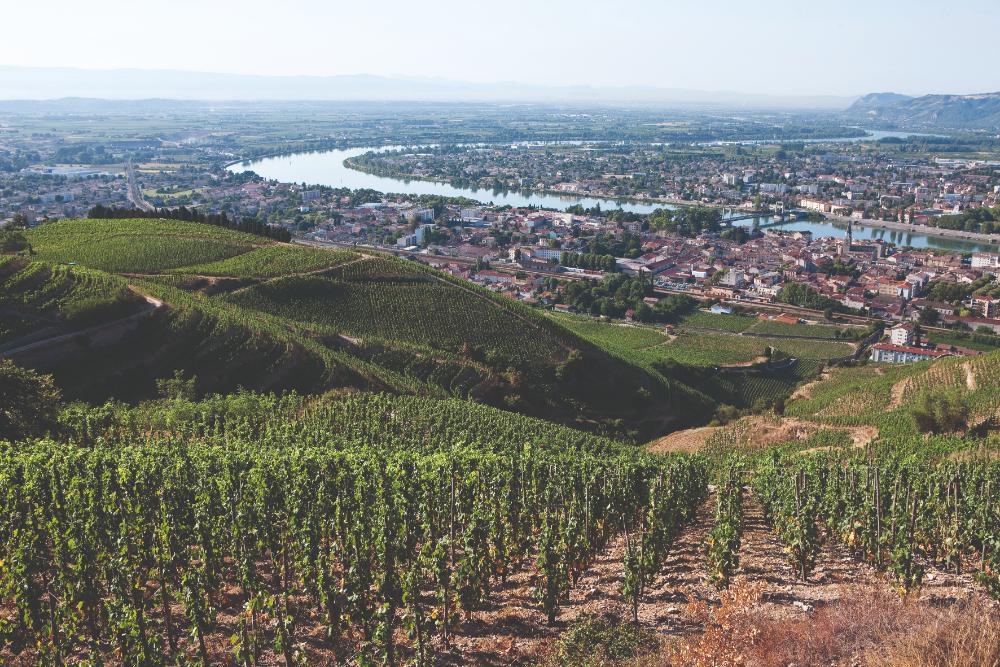
Hermitage vineayrds sloping down to the Rhone by Christophe Grilhé
Southern sun
While the northern Rhône is defined by steep slopes and big names, the southern Rhône is a mosaic of sun-soaked plains and remote plateaux, with a warmer Mediterranean climate and a more diverse palette of white grapes that includes Grenache Blanc, Roussanne, Clairette, Bourboulenc and Viognier.
Just north of Gigondas, famed for its powerful reds, lies the small village of Sablet. Still classified as a Côtes du Rhône Villages
appellation, Sablet is lobbying fiercely for cru status (i.e. its own stand-alone appellation), and its whites, although only 8% of production, make a persuasive case. Typically ripe and peachy, with notes of citrus blossom and soft spice, they balance southern warmth with surprising freshness. I recently tasted vat samples of the 2025 vintage from Domaine la Perdrière and Domaine Les Sibu: fresh brews that point to a fine year, with expressive aromatics, generous fruit and a poised, harmonious structure. These are some of the southern Rhône’s best value whites.
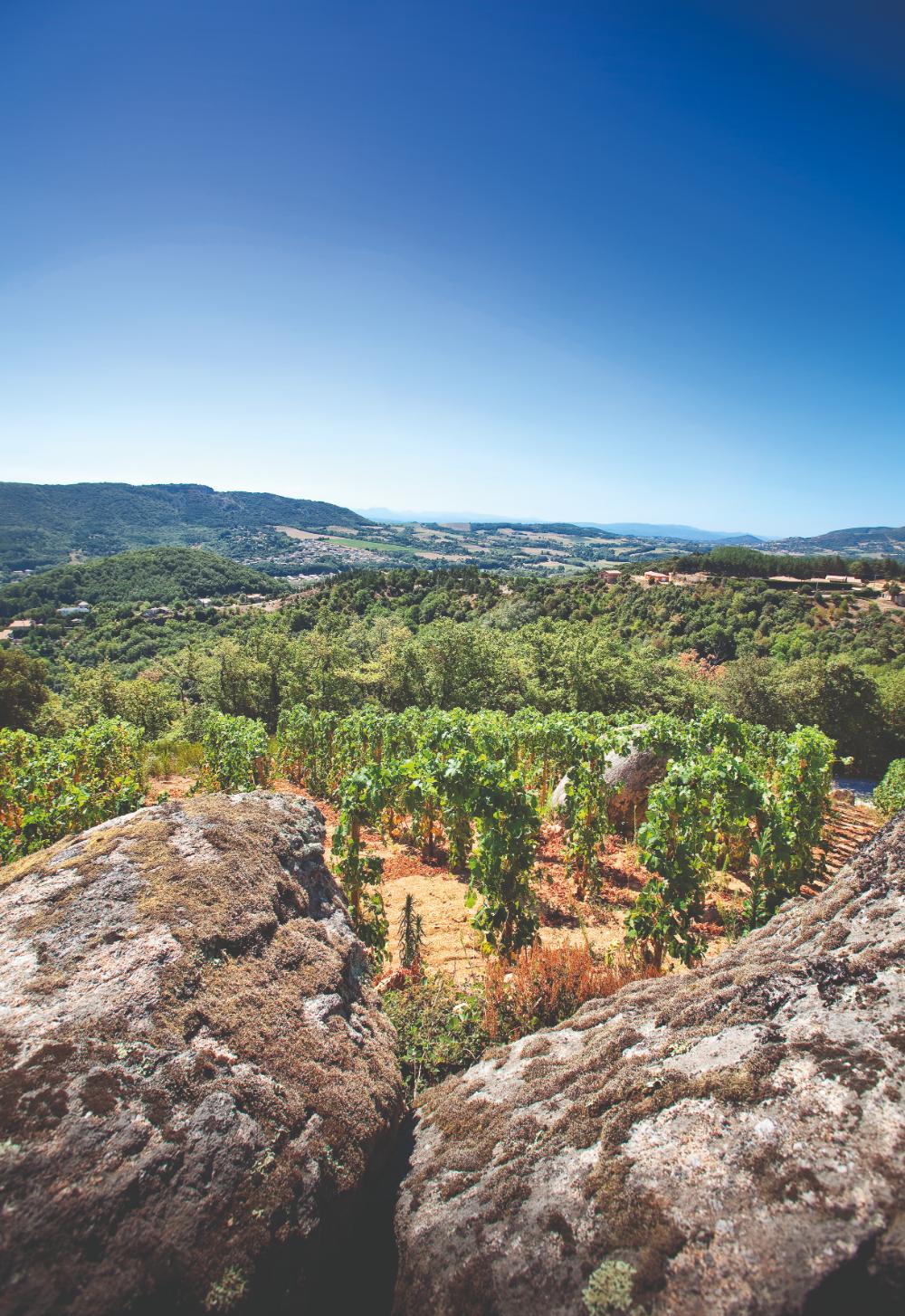
Vines at St Peray by Serge Chapuis
Crossing the river west into the easternmost spur of the Occitanie region brings us to two further crus whose white wines deserve closer attention: Laudun and Lirac. Laudun is the Rhône’s newest cru, promoted from Côtes du Rhône Villages in 2024. Situated on limestone-rich soils with cooling influences from nearby forests, its whites account for a full quarter of each year’s vintage. They are typically vibrant and aromatic, combining stone fruit and citrus with floral lift and a saline edge. Although its new cru status has sharpened its ambition, the wines remain keenly priced. Finally, there is Lirac, often mentioned alongside its charismatic neighbour Tavel, famed for its deep, food-friendly rosés. Lirac whites are grown on a mix of sandy soils, limestone and the large pebbles, known as galets roulés, also found on the opposite bank of the river in Châteauneuf-du-Pape. Crucially, many vineyards sit at higher elevations and enjoy cooling breezes which preserve acidity.
Add to this a striking concentration of winemaking talent – Château d’Aqueria, Domaine Maby, Domaine Coudoulis and Castel Oualou – and Lirac emerges as one of the southern Rhône’s most compelling sources of white wine. For those willing to look beyond the most famous appellations, these are wines of character, balance and quiet confidence – among the region’s most rewarding discoveries today.
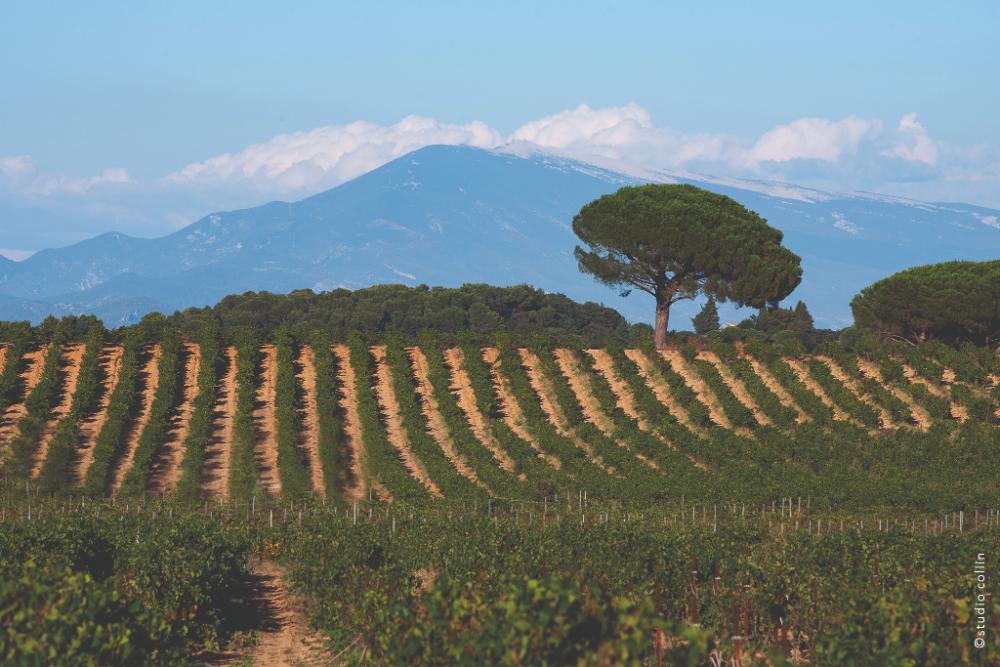
Castel Oualou
Looking for more French food and drink content?
In our magazine we offer a whirlwind tour of the best gastronomic destinations. Discover La Belle France’s renowned markets, quirkiest food festivals, most indulgent restaurants and foodie experiences.
Lead photo credit : Crozes Hermitage Vineyards by JC Rey Robert CUT
Share to: Facebook Twitter LinkedIn Email
More in French white wines, French wines, Rhône Valley wines
Related Posts