Chamonix’s changing menu
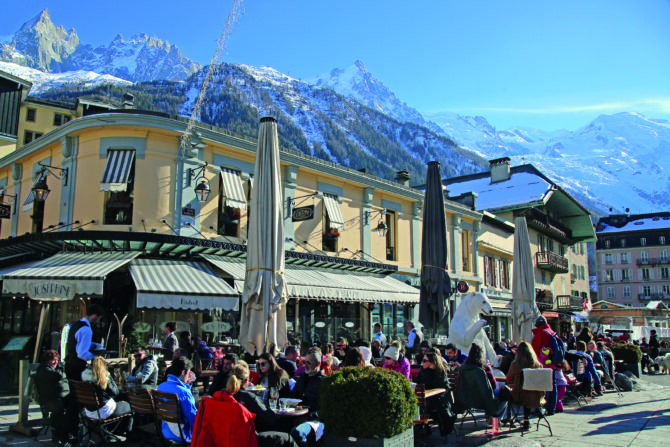
Savoyard tradition meets inventive new talent, from mountain classics to refined dining across the valley…
Chamonix has always been shaped by altitude: its pace, its weather, its visitors. Not surprisingly, its food scene is shaped by it too. The Chamonix-Mont-Blanc Valley now offers one of the most varied dining landscapes in the Alps, balancing deep-rooted mountain cooking with a steady influx of exciting new talent and international ideas.
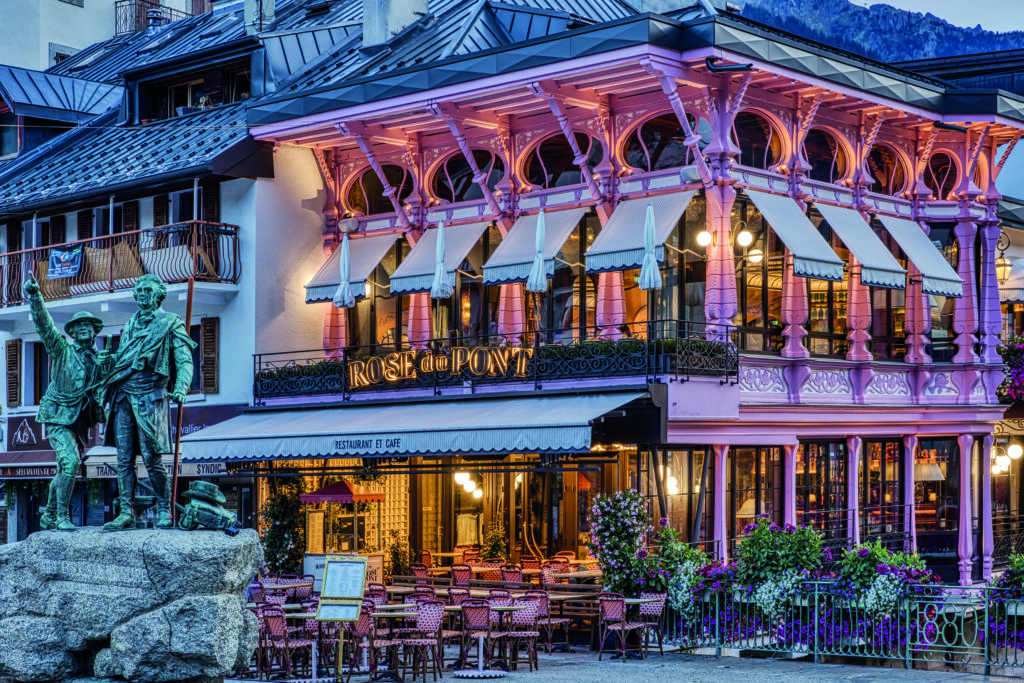
The foundations remain firmly local. Classics like farçon – the slow-cooked Savoyard dish of grated potatoes, smoked pork belly, bacon, cream and dried fruits – remain part of the region’s culinary DNA, served at restaurants such as La Maison Carrier and the recently refurbished Brasserie du Rond Point. It speaks to the region’s agricultural past, but its continued presence on menus is a reminder that Chamonix’s food culture hasn’t been pushed aside by modernity, it has simply evolved around it.
At the other end of the spectrum, altitude dining has taken on a new meaning. Perched at 3,842m on the Aiguille du Midi, Restaurant Le 3842 offers a renovated dining room with a pared-back décor that frames the surrounding peaks. Groups can take part in an immersive murder mystery game or treasure hunt, followed by an aperitif on the panoramic terrace before sitting down to a refined three-course lunch, immersed in the beauty of the landscape.
Back in town, Albert 1er, the Michelin-starred restaurant at the 5* Relais & Châteaux Hameau Albert ler, has been a cornerstone of Chamonix gastronomy for five generations. Evening service is built around two tasting menus – L’Appel des Cimes and Reflets Alpins-with dishes anchored in regional produce. Chef Damien Leveau offers a Young Stars menu for diners under 35, featuring a tasting experience for €125 per person; and for lovers of fine food and wine, the restaurant offers wine-tasting lunches with visiting winemakers.
Just a few minutes’ walk away, Le Matafan at the 5* Hotel Mont Blanc offers an alternative take on refined dining, with an exclusive Wellness Menu created in collaboration with Clarins. Developed by Dr Olivier Courtin and chef Mickey Bourdillat, the €70 menu focuses on balanced flavours without compromising on finesse.
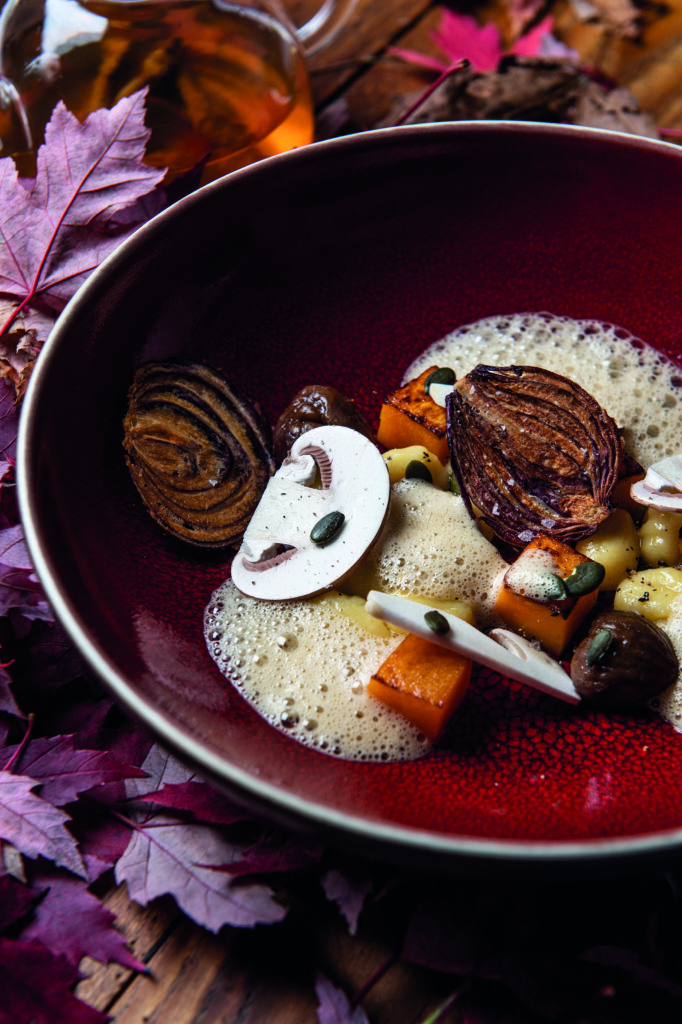
Higher up the hillside, the Auberge du Bois Prin, owned by Emmanuel and Kristine Renaut, has taken a more contemporary direction since the arrival of chef Quentin Veyrat at the end of 2023. The Savoyard native, who has experience across several Michelin-starred kitchens, uses local fruits, vegetables and herbs to produce dishes that are precise, seasonal and clear-flavoured in this charming chalet setting which boasts views across the valley.
Chamonix’s heritage restaurants are not standing still either. After a full renovation, the Brasserie du Rond Point reopened in 2024 with its original 1950s architectural details restored-bar, tiling, woodwork and retro sconces – and a new upstairs dining room offering a panoramic view. The menu includes regional staples such as farçons, bougnettes (Savoyard potato fritters), Magland snail cromesquis (croquettes) and gravlax trout with génépy. Relax on the terrace with a selection of sharing plates showcasing local products.
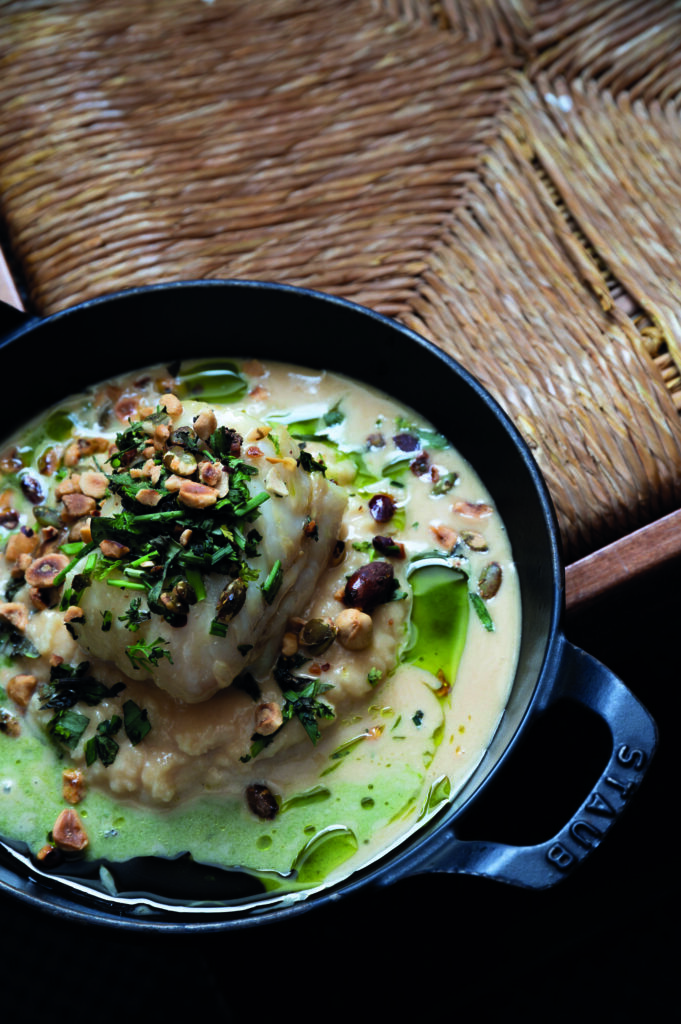
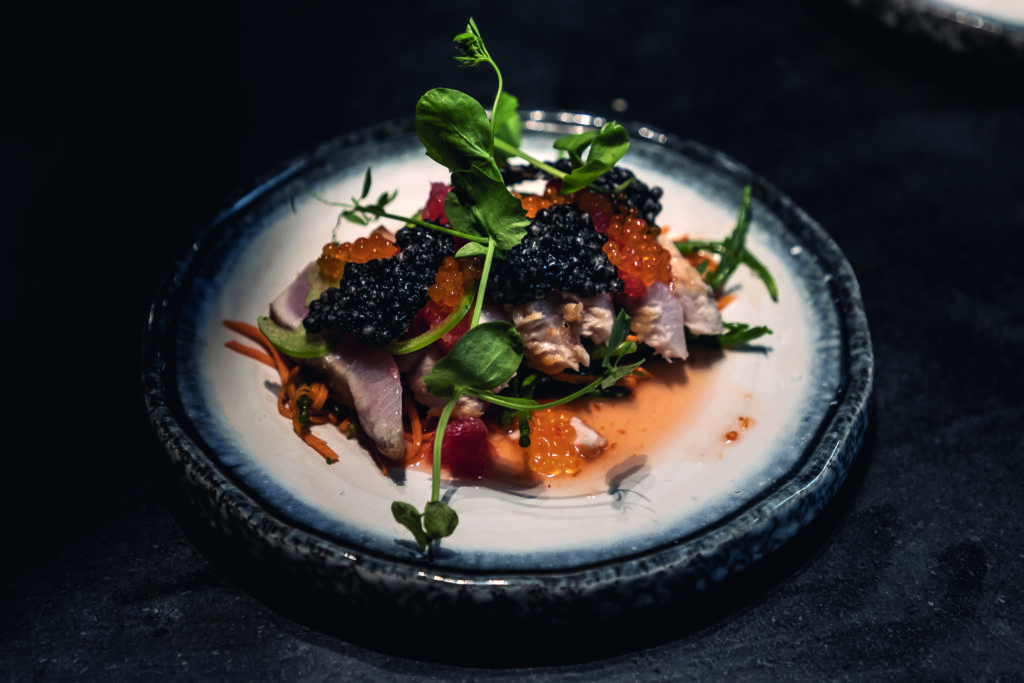
In the quieter hamlet of Le Lavancher, halfway between Chamonix and Argentière, Le Rosebud offers another fine-dining option. Part of the Jeu de Paume 4* hotel, it is now led by chef Teo Hadzhiyski, whose cooking reinterprets Alpine gastronomy through a modern, herb- and spice-led lens, with dishes centred on local lake fish and little-used mountain vegetables.
Alongside the traditional sits a growing cosmopolitan scene. At Mumma, chef David Lilieroth draws on his Scandinavian training and years spent in Asia and South America to produce a concise menu of Asian-Latin fusion dishes, including crab rice balls and braised duck gyozas. Meanwhile, Yumidori, run by sushi specialist Jérémi Séguda – World Vice-Champion of Sushi in 2024 – offers Japanese-inspired fast-casual dining, to eat in or take away, with a focus on organic and gluten-free ingredients. And in Servoz, Arudha was set to open in December 2025 with a single 16-sequence dinner for ten guests each evening, presented by chef Hugo Lemercier as a culinary dialogue between the altitude of the Alps and the sacred cultures of India.
An array of passionate local producers complete the gastronomic picture in the Chamonix Valley. Altitude Gin, based in Les Houches, distils spirits using Alpine botanicals and pure mountain water, while caring for the environment. Big Mountain Basecamp pours the brewery’s limited-edition beers directly from the tanks, including gluten-free and alcohol-free options. Their Simcoe and Chinook Pale Ale have become classics. In downtown Chamonix, Marta Vini offers one-hour guided tastings of regional wines, cheeses and charcuterie, while Maison Fattier’s two tearooms and unmissable display cases continue to draw attention for their pâtisserie – particularly the signature 4810 chocolate praline, made from Piedmont hazelnuts and shaped to echo the Aiguille du Midi.
So it’s clear to see that, skiing aside, there are plenty of ways to thrill the senses in Chamonix, with a vibrant food culture that celebrates both tradition and modernity, as well as flavours from far beyond the mountains.
Looking for more French food and drink content?
In our magazine we offer a whirlwind tour of the best gastronomic destinations. Discover La Belle France’s renowned markets, quirkiest food festivals, most indulgent restaurants and foodie experiences.
Lead photo credit : ©OTChamonix-Mont-Blanc
Share to: Facebook Twitter LinkedIn Email
More in Chamonix, Ski, Winter food
Related Posts