Épernay: the sparkling heart of Champagne
Tucked into the undulating hills of France’s Marne Valley, Épernay is often called the capital of Champagne. Beneath its elegant 19th-century boulevards lies a vast labyrinth of chalk cellars – more than 110km of tunnels where millions of bottles of champagne rest quietly, developing their celebrated finesse. Among the famous names that line the Avenue de Champagne – Moët & Chandon, Perrier-Jouët, Boizel – one house stands out for its understated excellence and enduring charm: Pol Roger.
Épernay’s importance to Champagne cannot be overstated. The town sits at the centre of the region’s three main vineyard areas – the Vallée de la Marne, the Montagne de Reims and the Côte des Blancs – which together provide the perfect balance of Pinot Noir, Pinot Meunier and Chardonnay grapes. The deep chalk subsoil acts as both a natural refrigerator and a source of minerality, key to Champagne’s precision, elegance and longevity.
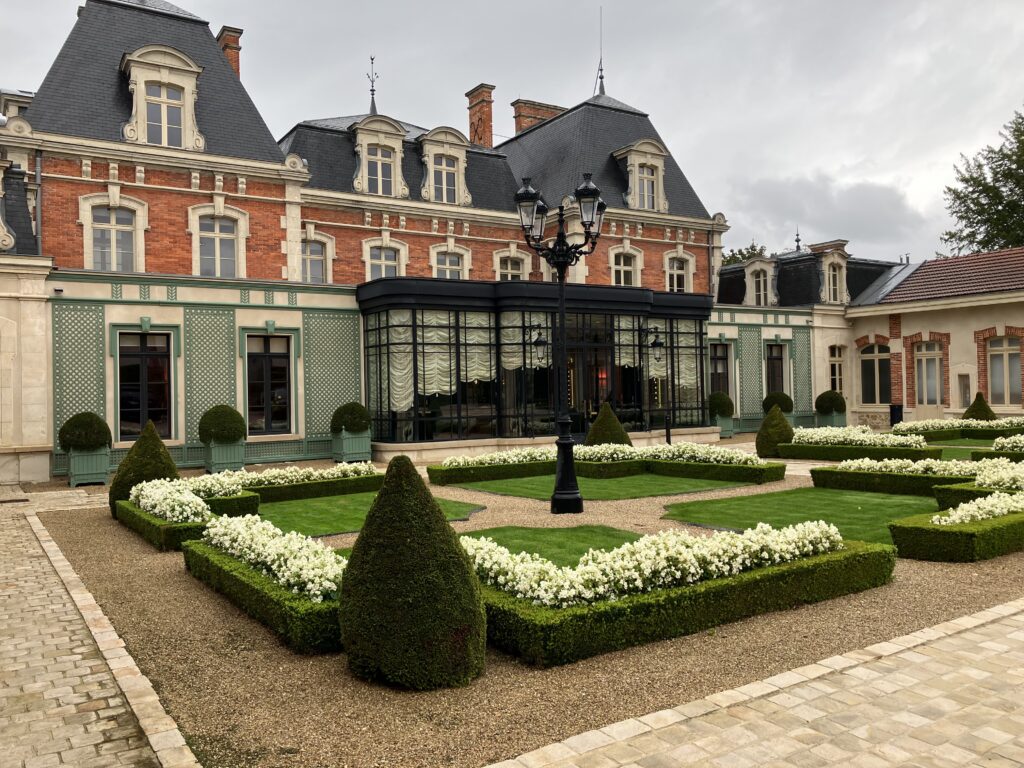
One of the last great champagne houses of Épernay to remain family owned and run, is Champagne Pol Roger. Founded in 1849 by Pol Roger at just 18 years old, the house began as a modest family enterprise. Over the next century and a half, it has become one of Champagne’s most respected producers, prized by connoisseurs the world over for its elegance and finesse.
Unlike many houses that favour opulence, Pol Roger has long championed balance. Its Champagnes are known for their fine mousse, creamy texture and refined structure – the result of meticulous blending and extended cellar aging, ensuring depth and complexity. Indeed, before disgorgement, the process of remuage (turning the bottles) is all done by hand to ensure optimum quality.
Champagne Pol Roger has many associations with Britain, being the preferred champagne of a number of British army regiments, chosen multiple times by the Royal family for important banquets – including the recent state visit of President Trump, hosted by King Charles III – and of course the house’s most famous devotee, Winston Churchill. In 1984, the house released Cuvée Sir Winston Churchill, a prestige blend created in his honour. True to the man’s taste, it is rich, robust and Pinot-dominated, yet perfectly balanced – a Champagne that marries power with poise.
In a region synonymous with celebration, Pol Roger embodies Champagne’s soul, promoting elegance over excess and integrity over fashion. From its cool chalk cellars in Épernay to the flutes raised in royal palaces and intimate dinner parties alike, each bottle is a tribute to patience, precision and a touch of British charm.
The Avenue de Champagne, a broad, sunlit boulevard lined with Belle Époque mansions, is both a UNESCO World Heritage site and a pilgrimage route for lovers of fine bubbles, celebrating 100 years since its conception.
Épernay offers several exquisite options for visitors who wish to linger amid the bubbles and stay on the Avenue. Les Suites du 33 is an elegant guesthouse run by Champagne de Venoge, offering a rare chance to sleep directly on the Avenue de Champagne. Its on-site bar serves flights of de Venoge Champagnes in a refined lounge atmosphere. For a blend of intimacy and design, Le 25bis is a boutique B&B run by the biodynamic house Leclerc Briant. The rooms overlook the Avenue and breakfast includes fresh pastries and, naturally, Champagne.
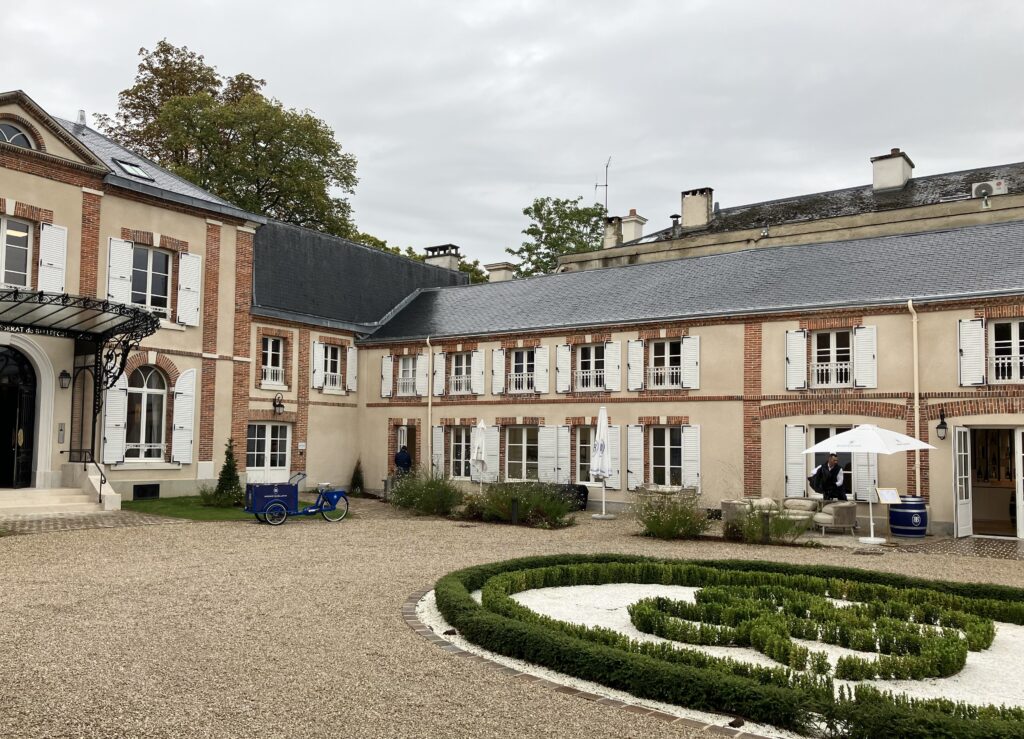
Champagne Besserat de Bellefon has recently opened three luxury suites just off the Avenue de Champagne, which are available to visitors on a B&B basis. With a close association with famed animal lover Brigitte Bardot, dogs are welcomed and provided with their own bowls and bed in the suites. Just outside Épernay is the recently refurbished Hotel Briqueterie Champagne with its fabulous gastronomic restaurant and cosy bar, also welcoming dogs with open paws.
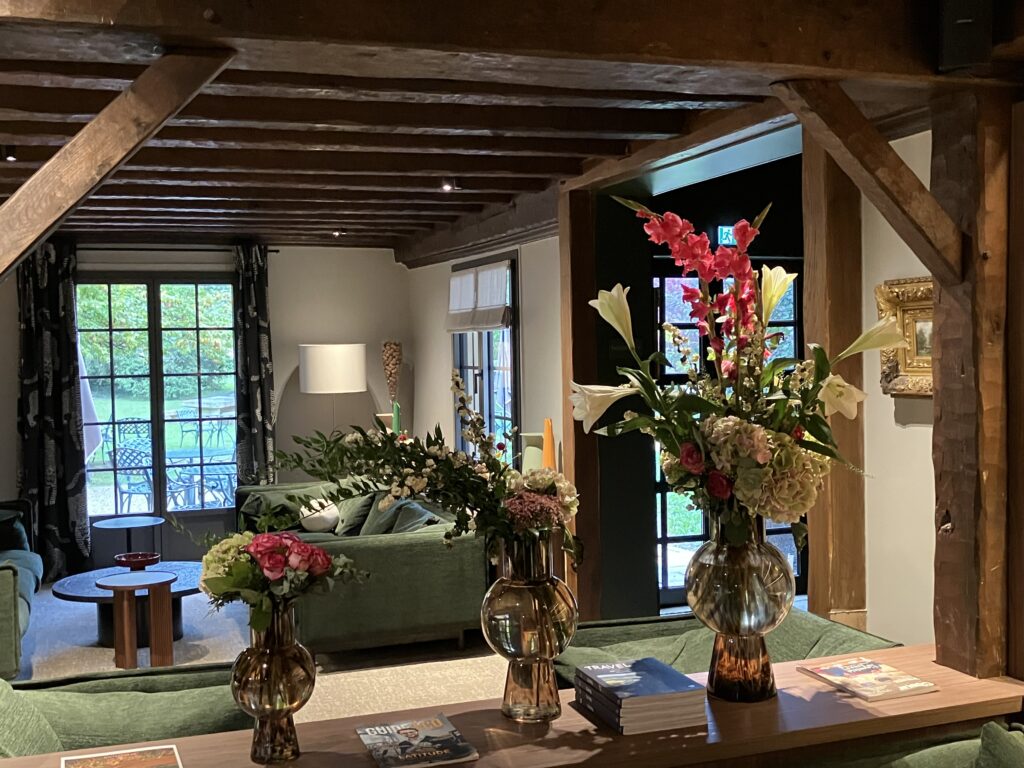
Dining in Épernay is an experience not to be missed, matching a fine champagne from one of the nearby maisons with delicious local cuisine. Amongst my favourite places, both serving a very superior bistronomy-style menu are La Table Kobus and La Grillade Gourmande. La Table Kobus is a stylish brasserie near the town centre offering refined French cuisine at reasonable prices. Dishes such as roasted scallops or duck breast with seasonal vegetables, can be paired with an extensive champagne list.
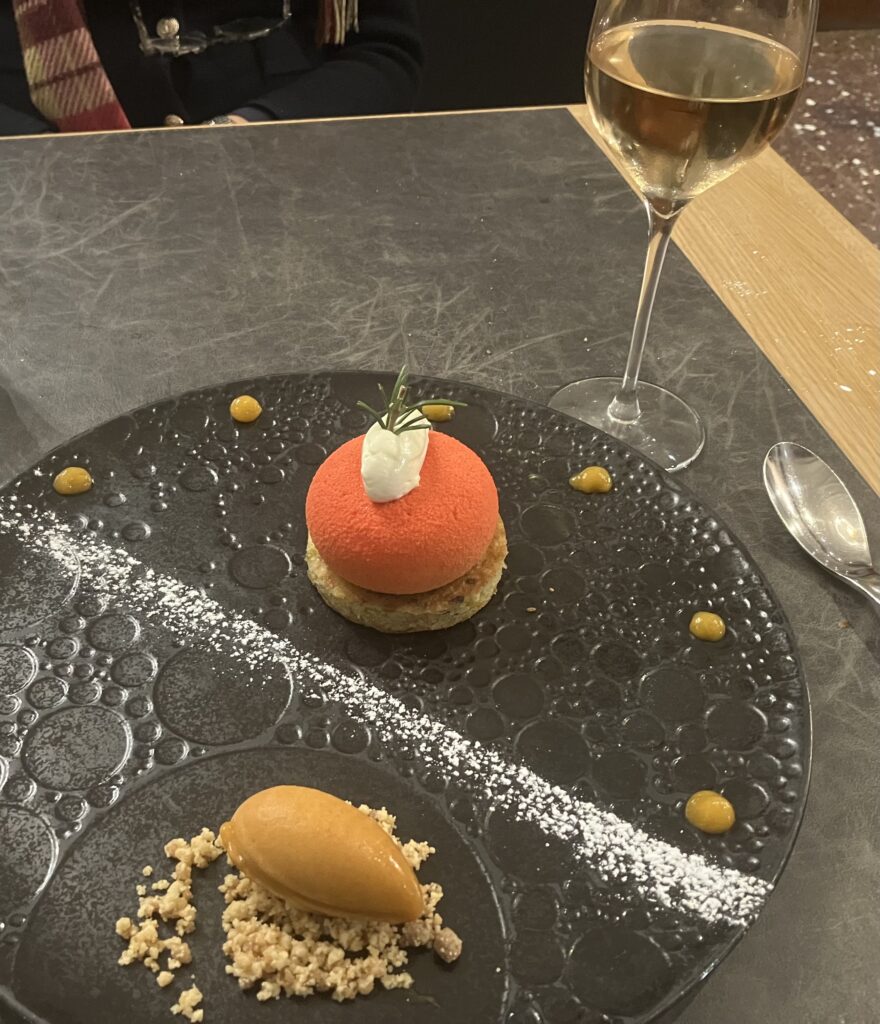
Chef Christophe Bernard’s Michelin-featured restaurant La Grillade Gourmande combines impeccable service with indulgent classics. A highly experienced disciple of Bocuse in Lyon, meat and fish are grilled over an open fire in this first-class restaurant. Amongst the fabulously presented dishes, are specialities such as boned pigeon stuffed with foie gras in puff pastry and whole seabass with fennel on the grill. Amazing value for money and the warmest of welcomes from Kristel, Christophe’s wife.
The Avenue de Champagne was named officially in 1925 as a nod to the prosperity and global prestige brought by the sparkling wine trade. It has become a pilgrimage site for oenophiles from around the world, with its architecture that reflects the wealth and ambition of 19th-century Champagne families. However, the spirit remains resolutely modern, and recent years have seen a revitalisation, with new visitor centres, immersive tasting experiences and a renewed emphasis on Champagne as a destination as well as its wines.
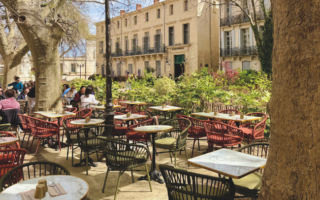
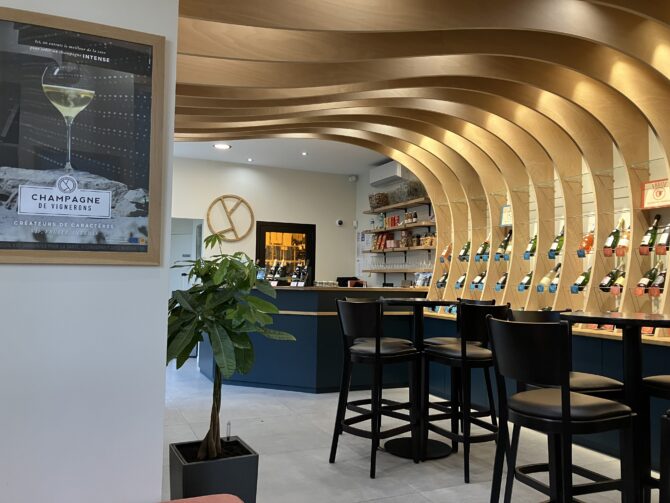
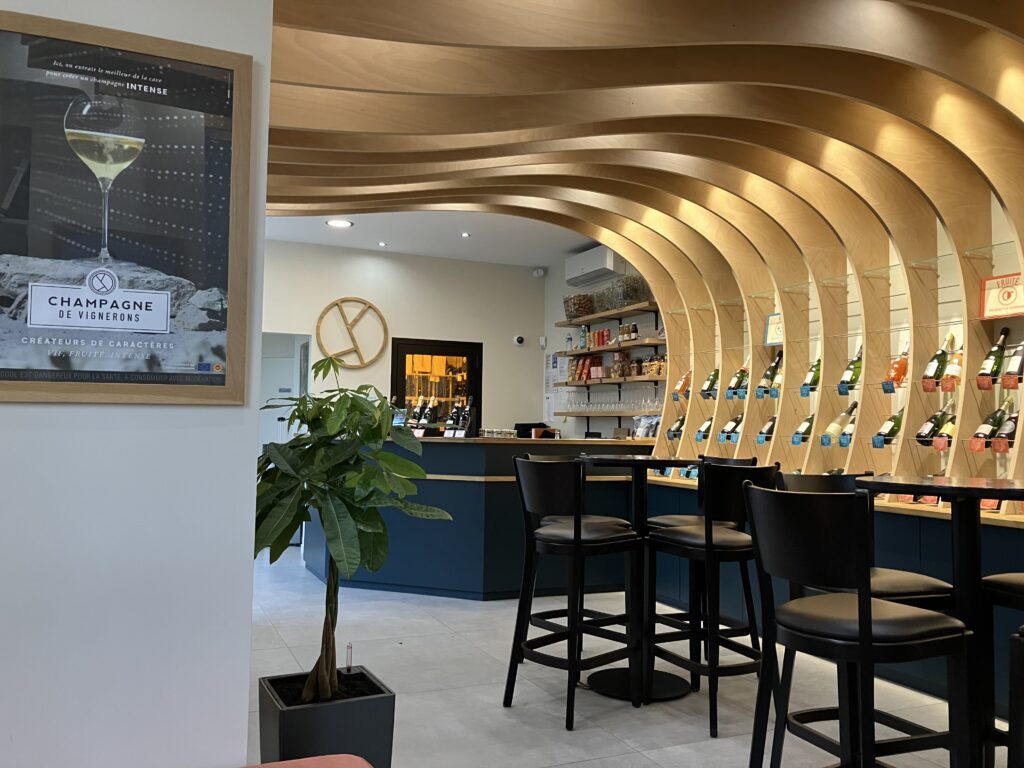
For a relaxed afternoon, stroll to Le 19 Avenue de Champagne, a chic champagne bar offering bubbles by the glass and local cheeses on the terrace, shaded by chestnut trees. No 19 offers daily tastings of champagnes from some of the smaller producers of the region and three glasses for €24 is a deal not to be missed.
It was the sense of place, comprising terroir, tradition and technical savoir-faire, that led UNESCO, in 2015, to recognise the champagne hillsides, houses and cellars as a World Heritage Site. The listing was not for the wine alone, but for the entire cultural landscape that produces it: the vineyard slopes of Hautvillers, Aÿ and Mareuil-sur-Aÿ; the intricate labyrinth of cellars; and the commercial centres such as the Avenue de Champagne itself in Épernay. It was, in essence, an acknowledgment that champagne is not simply a drink—it is a world of human endeavour, of craftsmanship refined over centuries.
About the Author
Richard Esling BSc DipWSET is an experienced wine journalist, writer, educator and consultant. With experience in the wines and spirits industry spanning several decades, he is a member of the prestigious Circle of Wine Writers and an International Wine Judge. www.winewyse.com
Twitter @richardwje
Share to: Facebook Twitter LinkedIn Email
Related Posts