Tiana Salles: Bringing the Flavours of Nepal to France

Dominic Bliss meets Tiana Salles, a French food writer of Nepalese origin, whose new cookbook bringing the flavours of Nepal to a French audience led her on a journey of personal discovery…
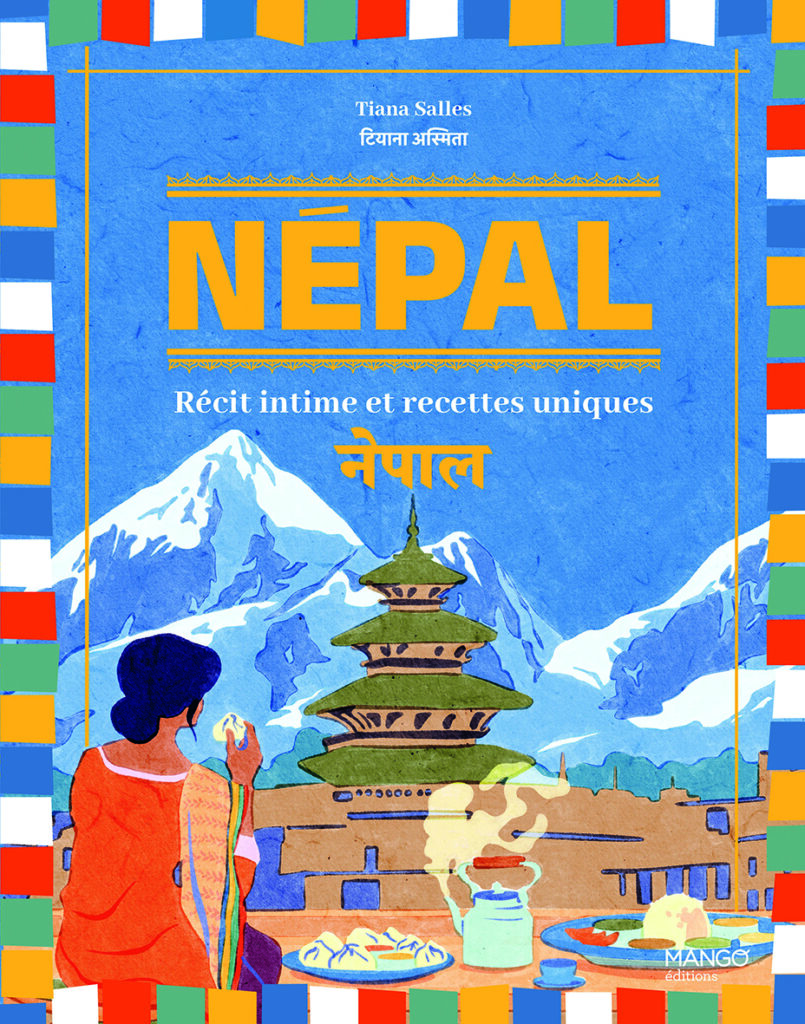
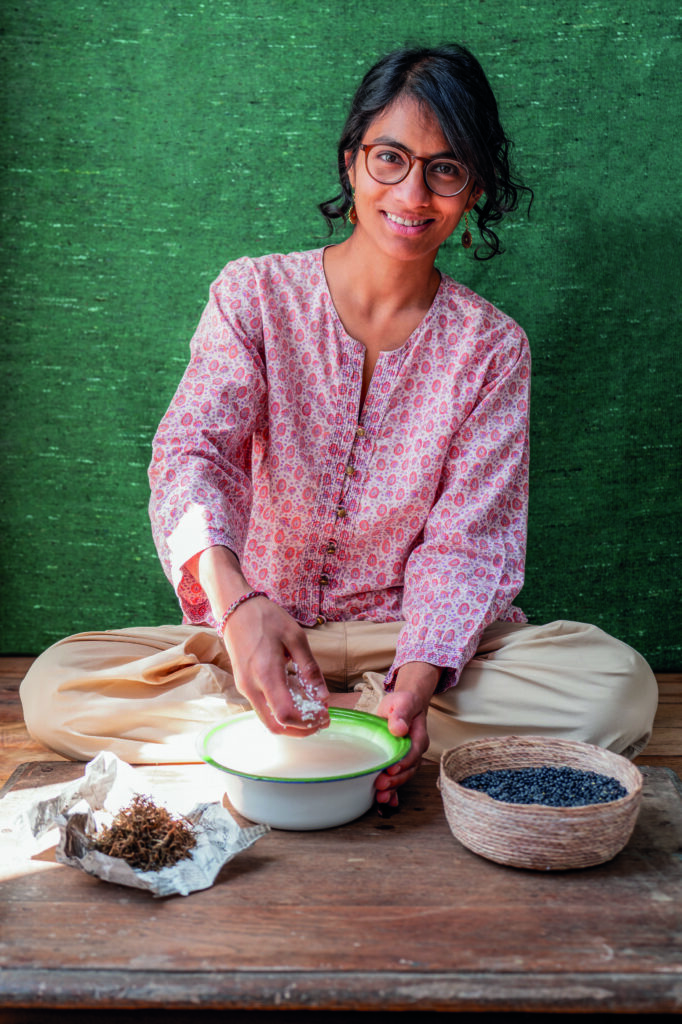
The French aren’t renowned for their love of exotic cuisine and traditionally err on the side of caution when it comes to foreign gastronomy. But French food writer Tiana Salles, who has just launched a new book of Nepalese recipes drawing on her Himalayan heritage, believes this conservative attitude is changing-among the younger generations, at least. Népal: Récit intime et recettes uniques (Nepal: Personal Story and Unique Recipes) is a beautiful work, weaving just under 50 gorgeous recipes into the story of how Tiana discovered the rich culture of her birth nation through its cuisine.
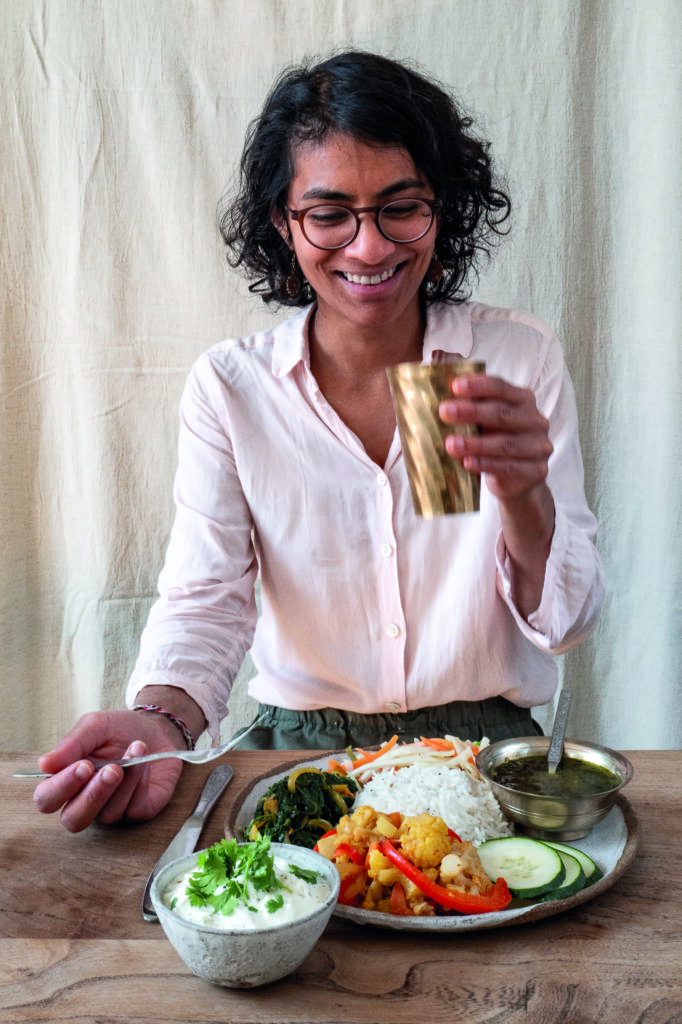
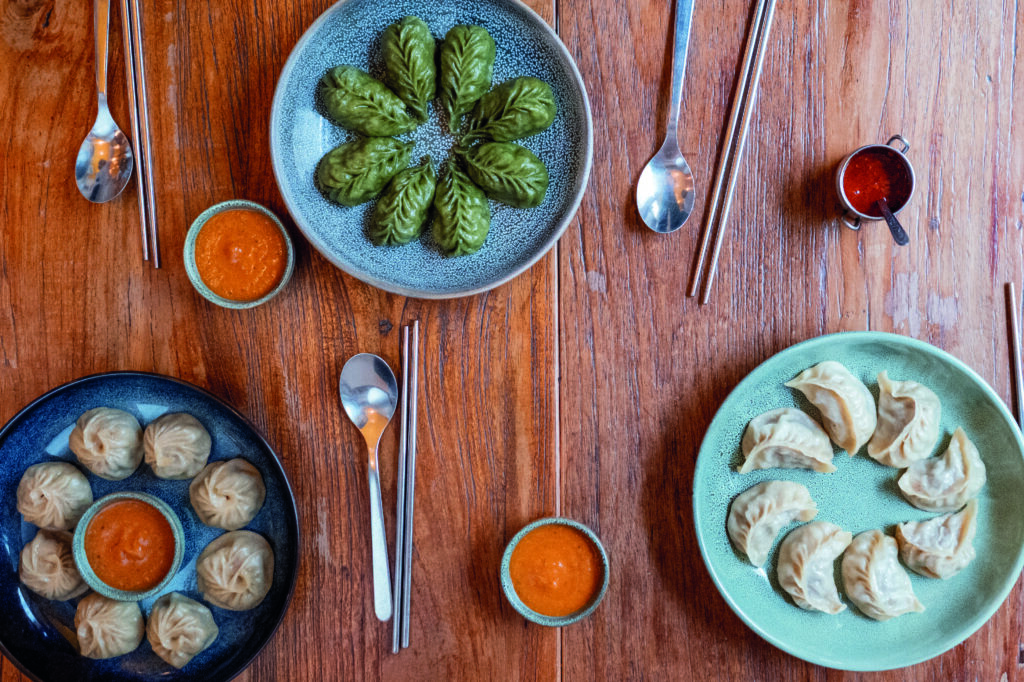
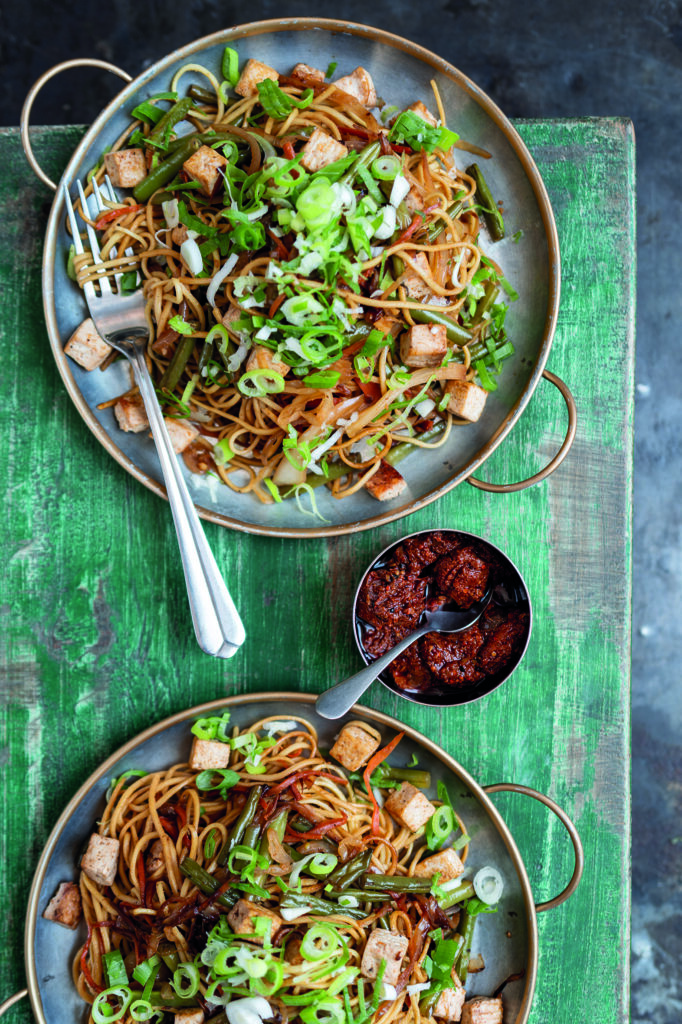
And what a cuisine it is. There are Nepalese classics in here, such as momos (steamed dumplings), dal bhat (rice and pulses), sekuwa (grilled, marinated chicken) and choila (spiced beef or buffalo), as well soups, salads, street food, desserts, teas and lassis.
Cuisine that nourishes
“Nepalese cuisine doesn’t try to impress,” Tiana writes. “It nourishes. It comforts. It brings people together. Like the country itself, it is humble, sometimes rustic, and meant to be shared.”
Salles’s back story is as intriguing as the dishes she champions. Born in Nepal in 1993, the third of three daughters, she was just seven months old when her mother put her up for adoption. Separated from her entire family and abandoning her original name, Asmita Pandey, she left her native country, travelling with her adoptive parents to Paris where a new life awaited.
“I was born into a very tricky family situation,” she says. “When my mother had two daughters it was already complicated. The arrival of a third made it more complicated still.” Salles’s birth mother had been struggling to pay the bills and was advised that adoption would be the best course for her third daughter.
“To be honest, it offered me a future,” Salles confides. “At seven months old, I left this little mountainous nation for France; another continent, different landmarks, different colours, different aromas. I became French.” She grew up in a loving family in the southeastern suburbs of Paris, close to Fontainebleau. Her adoptive parents instilled in her a love of culture and the arts. “But, for as long as I could remember, there was a certain sadness,” she says. “A piece of the puzzle was missing.” By the time she was a teenager, Salles was suffering from depression, which manifested in an eating disorder. “I had this idea that, by eating, I was poisoning myself,” she says. “It was all linked to my insecurities. When you’re adopted, there are certain things about your history you just can’t know, and things you can’t control – because you’ve had your country and your family changed for you. When you’re really small, while everything around you is uncontrollable, one of the only things you can control is what you eat.”
Salles worked hard to overcome her issues with food. “For me to reconcile myself with food, I needed to dive deep into the idea of nutrition,” she explains. “The social dimension of nutrition, the environmental side of it. I needed to understand it on a physiological and biological level. I really threw myself into it and became passionate about it.” By now, she was studying law at university, but had little love for the subject, so she decided to change tack, abandoning her studies and becoming a food writer and podcaster instead. That career change would ultimately save her from her eating disorder.
There were many more twists and turns on her long route to producing her Nepalese cookbook, however. In 2015, troubled by news of the catastrophic earthquake in the Himalayas, her thoughts naturally turned to her birth family back in Nepal. It was another six years after much research and soul-searching-before she finally made contact with her relatives. She remembers the moment she was told they had been located.
“In a split second, the ground gave way beneath my feet,” she says. “I felt, simultaneously, I was at the end of one path and on the threshold of a new life. With just one video call I then discovered my sisters’ faces and voices.”
In April 2022 she plucked up the courage to fly to Kathmandu and was initially greeted at the airport by her mother and two nieces. “It was very moving for me but not with huge embraces and lots of crying, like you see in movies,” she recalls. “We didn’t really know how to act because we didn’t know each other. There was a bit of fear even.” Salles initially found it tough to engage with her birth family and felt she needed a project to anchor her. Local gastronomy was the answer. She began researching in depth the cuisine of her birth nation, visiting restaurants and catering schools, meeting chefs, and discussing food with anyone who would listen to her.
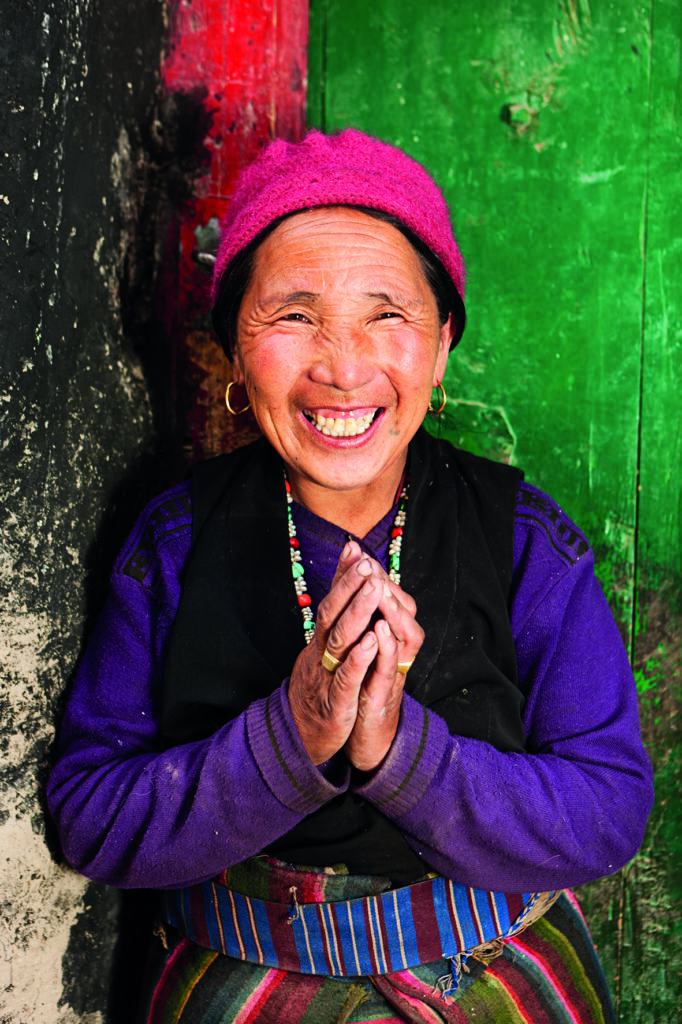
“It gave me a common language – a way to connect with my family, with my neighbours, with people whose language I didn’t speak,” she explains. “Because food brings people together, nourishes them, and connects them, despite the linguistic barriers.”
She returned to France with dozens of recipes and the idea of publishing a cookbook naturally followed. Realising not all the ingredients essential for Nepalese cuisine are available in Europe, she adapted some of the recipes, replacing the more exotic spices, herbs, vegetables and fruits with more convenient European equivalents.
But how have her adopted compatriots responded? Are the French adventurous enough to embrace Nepalese cooking, with all its distinctive spices and fermented pickles?
Salles insists younger French diners are increasingly looking beyond their national borders for new culinary experiences. She points to the dozens of Nepalese restaurants dotted around France and, in particular, Parisian eateries such as Nirvana Dream (with branches in the 9th and 10th arrondissements), Kathmandu (in the 5th) and Royal Pokhara, Potala and Himalayan Momo (all in the 10th).
At these, and at other restaurants, you’ll find many of the dishes Salles features in her new book, including her personal favourites – vegetarian options such as cabbage salad with sesame seeds, mushroom tarkari (slow-cooked mushrooms with spices and a tomato sauce), mushroom choila (grilled shiitake or oyster mushrooms), and sikarni (whipped yoghurt with cinnamon and cardamon).
“Nepalese cuisine is little known internationally, and perhaps that’s for the best,” she concludes in her book. “It resists being faddish. It hasn’t been sanitised to please people.
“It remains very local, humble, sometimes rustic, always sincere. It’s a cuisine of the terroir and of the memory, to be discovered not in shop windows, but around a fire, in a dimly lit kitchen, on a low stool, where conversation flows alongside the food.”
Népal: Récit intime et recettes uniques, by Tiana Salles (Mango Editions) is out now.
Lead photo credit : Tengboche Monastery in Himalaya mountains - Getty Images
Share to: Facebook Twitter LinkedIn Email
Related Posts