Troyes and the Soul of Southern Champagne
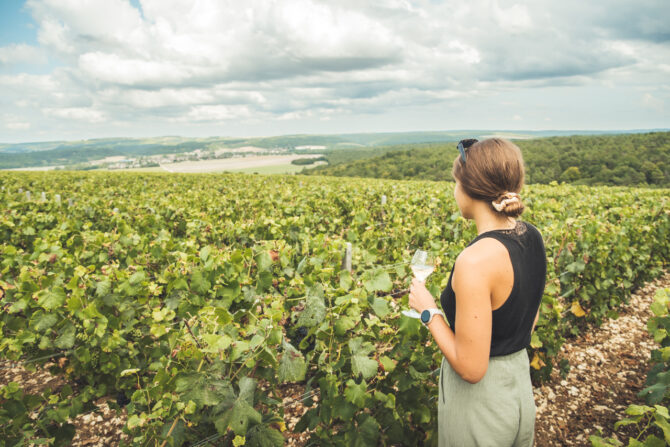
There are corners of France that announce themselves with fanfare, and there are others that reveal their charms slowly. Troyes belongs emphatically to the latter. In the southern reaches of Champagne, where the department of the Aube stretches towards Burgundy, the landscape softens into a quieter, more contemplative version of the Champagne story — one less about spectacle and more about seductive authenticity.
While the grand marques dominate further north around Reims and Épernay, here one encounters grower-producers, small cooperatives, small villages and an almost Burgundian intimacy between vine and vigneron. Pinot Noir reigns in these rolling slopes, producing Champagnes of breadth, and gastronomic depth. It is a region where one drinks not merely famous labels, but characters and personalities.
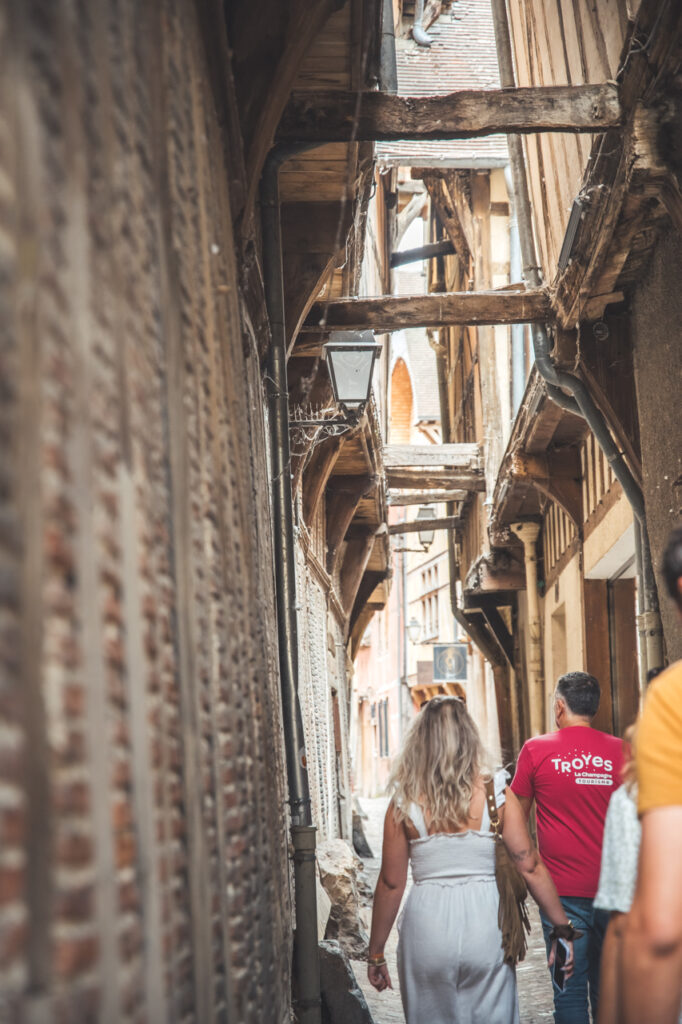
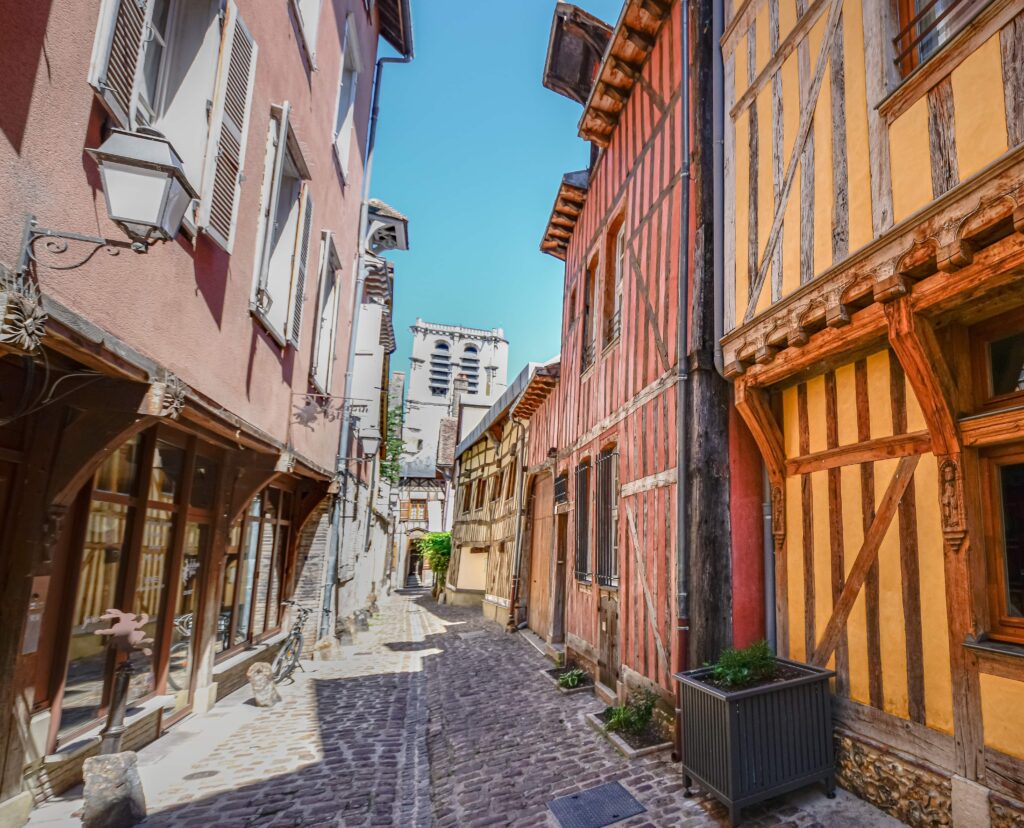
At its centre sits Troyes, one of the most atmospheric medieval towns in France and an easy 4-hour drive from Calais. The old quarter, famously shaped like a champagne cork when viewed from above, is a glorious confusion of half-timbered houses leaning precariously over cobbled lanes. Honey-coloured beams twisted with age support façades which tilt towards one another as though sharing centuries of gossip. The town possesses the faded grandeur of somewhere that prospered enormously in the Middle Ages and never felt compelled to modernise too aggressively thereafter.
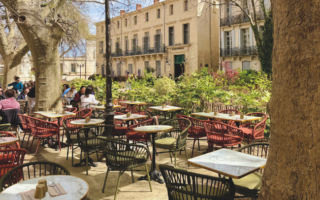
Particularly enchanting is the celebrated Ruelle des Chats, a narrow alleyway so tight that medieval residents could allegedly leap from rooftop to rooftop “like cats”. Today it remains one of the loveliest streets in Champagne, animated by cafés, wine bars and the gentle hum of evening conversation
For accommodation, few addresses capture the refined spirit of modern Troyes better than La Licorne Hotel & Spa. Occupying a beautifully restored historic property beside the canal and close to the cathedral, it achieves that difficult balance between contemporary luxury and regional soul. The interiors are elegantly restrained: muted tones, polished stone, carefully curated lighting and a sense of calm that feels entirely appropriate after a day spent tasting Champagne among the vines. The soaring glass canopy in the central space lends the hotel a theatrical grace, while the spa and pool provide an indulgent counterpoint to the medieval streets outside.
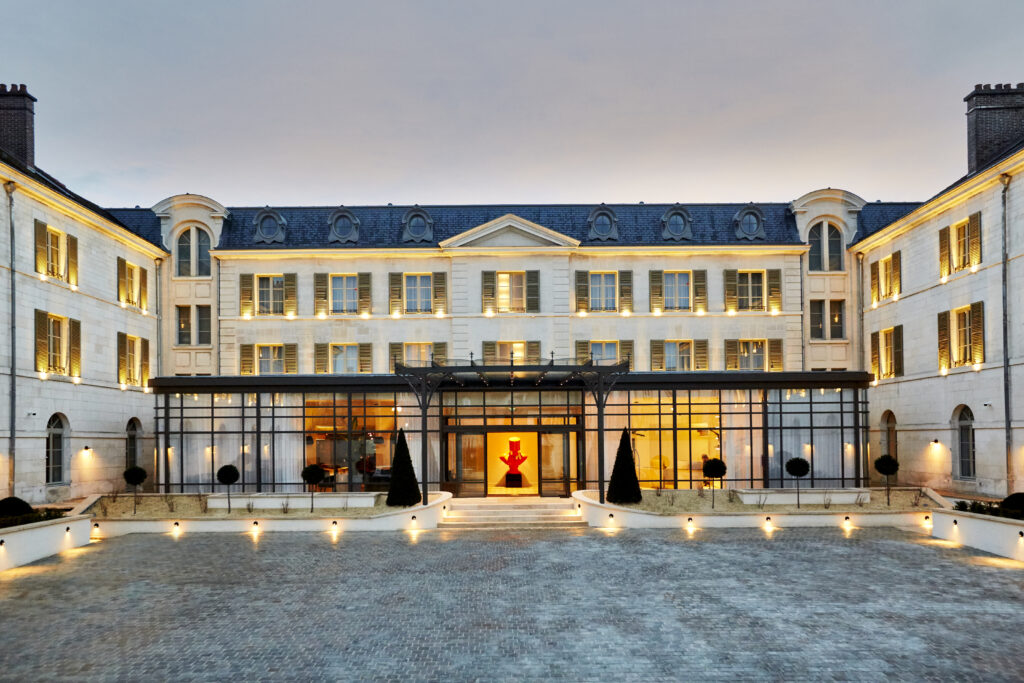
More importantly, La Licorne understands place. Too many luxury hotels could exist anywhere; this one could only exist in Troyes. The references to local craftsmanship, stained glass and Champagne culture are subtle but omnipresent. Even breakfast seems designed as a love letter to the Aube, with regional produce presented without unnecessary complication. It is the sort of hotel where one lingers over coffee before returning to the world outside.
The culinary revelation of Troyes, however, may well be SAPIENS, tucked away near the Ruelle des Chats in a discreet courtyard that many visitors would otherwise pass unnoticed. Here, chef Thomas Dijon produces cooking of admirable intelligence and restraint. This is not cuisine preoccupied with technical pyrotechnics or decorative excess; rather, it is deeply rooted in product, seasonality and clarity of flavour.
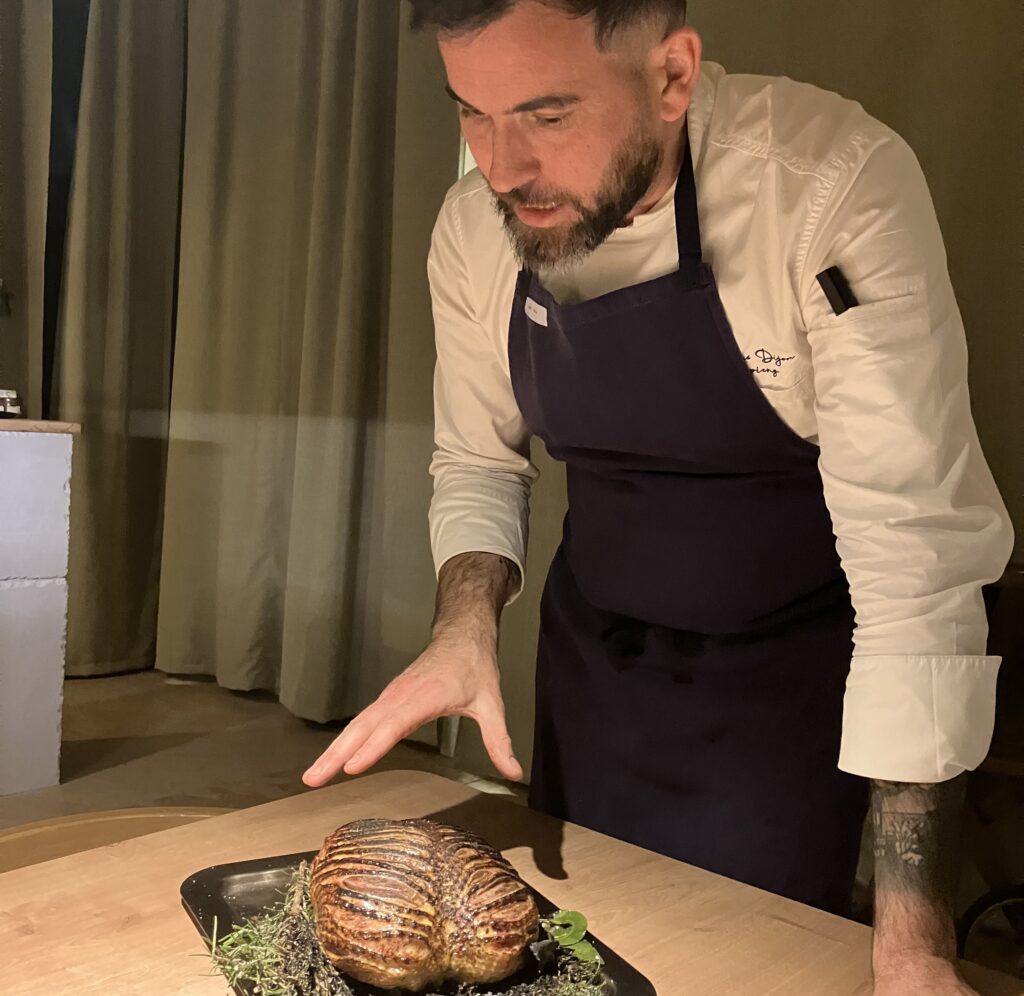
Dining at Sapiens feels entirely aligned with the contemporary identity of the Aube itself: confident, thoughtful and increasingly impossible to ignore. The menus evolve with the market and the surrounding countryside, often allowing vegetables, herbs and subtle textures to play leading roles. Sauces possess depth without heaviness; presentations are elegant but not overdone. One senses a kitchen cooking not for social media applause but for genuine gastronomic pleasure.
A six-course tasting menu is worthy of many Michelin-starred establishments, yet at a very affordable price. A truly delicious, refined cuisine which can also be accompanied by a well-chosen wine pairing flight – owner and chef Thomas Dijon also being a trained sommelier. Naturally, the Champagnes matter. In this part of France, wine is never an accessory to the meal but part of its narrative structure. The richer, Pinot-driven wines of the Côte des Bar and the marvellous Chardonnays from the small Montgueux region, such as the Blanc de Blancs Brut Nature from Jacques Lassaigne, find a natural affinity with the restaurant’s quietly assured cuisine.
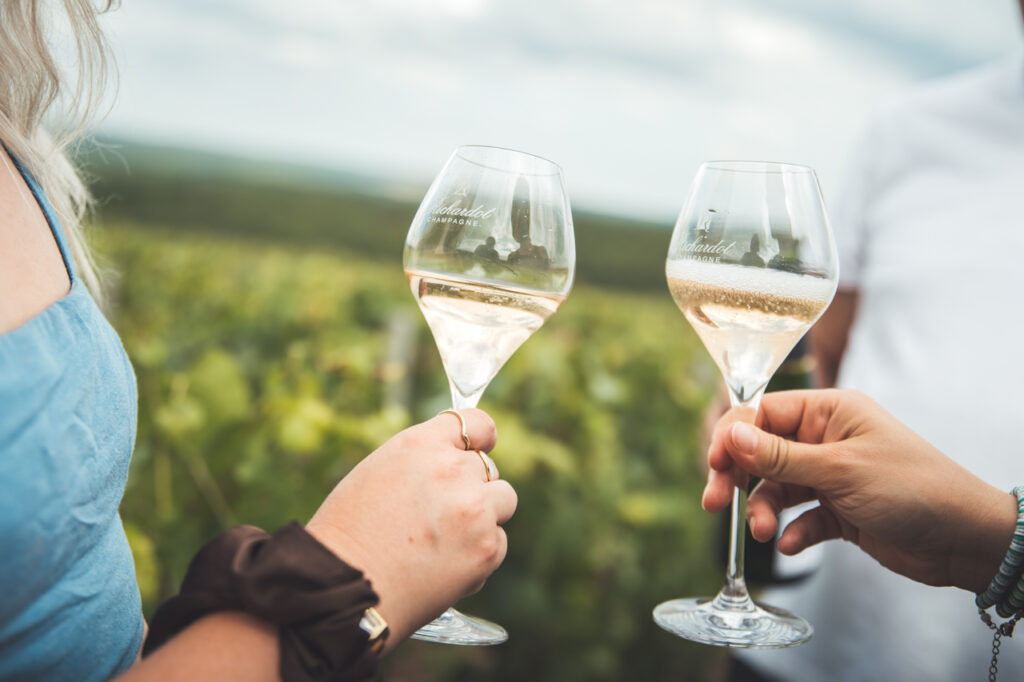
What makes Troyes and the Aube so compelling is precisely this harmony between old and new. Medieval streets shelter ambitious young chefs. Ancient vineyards produce increasingly dynamic wines. Historic buildings become contemporary hotels without sacrificing their soul. The region has escaped the homogenisation that afflicts so many celebrated wine destinations.
For travellers willing to venture beyond the obvious Champagne itinerary, Troyes offers something rarer than grandeur: atmosphere. It is a place of flickering candlelight on timber beams, of cool cathedral stone, of lingering lunches accompanied by local Champagne, and of evenings wandering medieval alleys before returning to the understated luxury of La Licorne Hotel & Spa.
Lead photo credit : © ARTGE _ Pierre Defontaine
Share to: Facebook Twitter LinkedIn Email
Related Posts